Consumers are willing to pay more for lobster caught with ropeless fishing gear. This technology helps reduce the risk of whales getting tangled. New research from the University of Maine shows this trend.
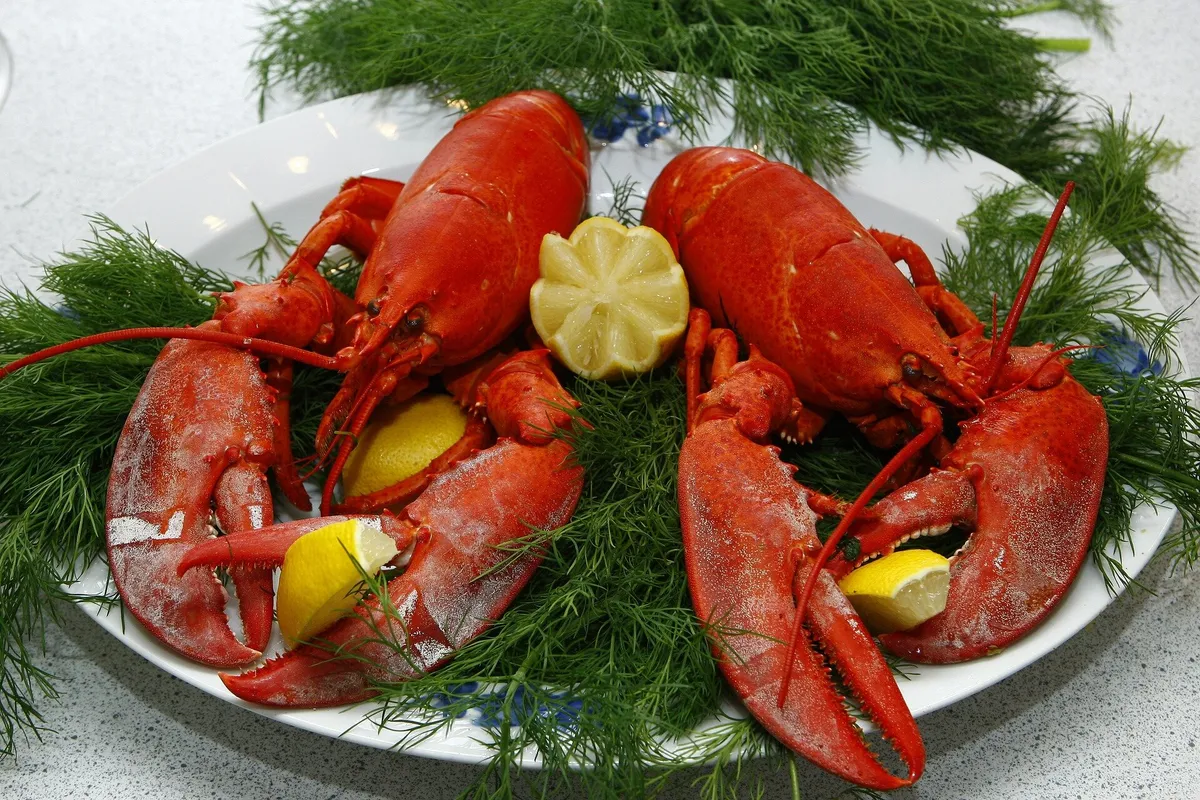
A study led by Qiujie "Angie" Zheng, a business analytics professor, found that people would pay an average of $3.42 more for a lobster roll. This was true when they learned the lobster was caught using ropeless methods and given information about animal welfare.
Consumer Choices and Whale Protection
The research appeared in the journal Marine Resource Economics. It looked at how consumers might react if ropeless technology becomes more common. Zheng noted that these findings don't mean Maine's lobster industry should change its current ways.
We're a new kind of news feed.
Regular news is designed to drain you. We're a non-profit built to restore you. Every story we publish is scored for impact, progress, and hope.
Start Your News DetoxMaine's lobster industry has used whale protection methods for decades. These include weak links, sinking lines, and fewer vertical lines to lower entanglement risks. The fishery provides about 90% of the nation's lobster. It is also a key part of Maine's economy and culture.
The North Atlantic right whale is one of the most endangered large whale species. Its population is estimated at 356 whales, with fewer than 100 females able to reproduce.
Traditional lobster gear uses vertical lines that connect traps to buoys on the surface. Regulators and researchers want to change this to reduce entanglement risks for large whales. There has been debate about how much Maine lobster gear contributes to right whale deaths. The industry faces growing pressure to reduce these potential risks.
Zheng explained that whale conservation is a group effort. Fishermen, regulators, scientists, and consumers all play a part. She hopes this research helps understand what consumers prefer.
Understanding Consumer Preferences
Zheng worked with Kanae Tokunaga from the Gulf of Maine Research Institute. She also collaborated with Rodolfo Nayga and Wei Yang from Texas A&M University. They studied consumer preferences for ropeless technology and how to market it.
The researchers tested how information about whale conservation, animal welfare, and Maine's lobster industry affected how much consumers would pay. Messages focusing on whale welfare and entanglement impacts were most effective. They made consumers willing to pay more for lobster caught with ropeless technology.
However, this varied based on consumers' views on the environment and animal welfare. It also depended on their existing knowledge about right whale entanglement and ropeless technology. Zheng hopes this research helps Maine's seafood industry understand how consumers react to different marketing. This is important as environmental concerns increasingly shape food choices.
"I'm always trying to learn from fishermen and the fishing community because they make their living from a very complicated natural system, and they know it so well," Zheng said.
Deep Dive & References
Valuation for Lobster Harvested Using Ropeless Technology to Reduce Right Whale Entanglement and Extinction - Marine Resource Economics, 2026