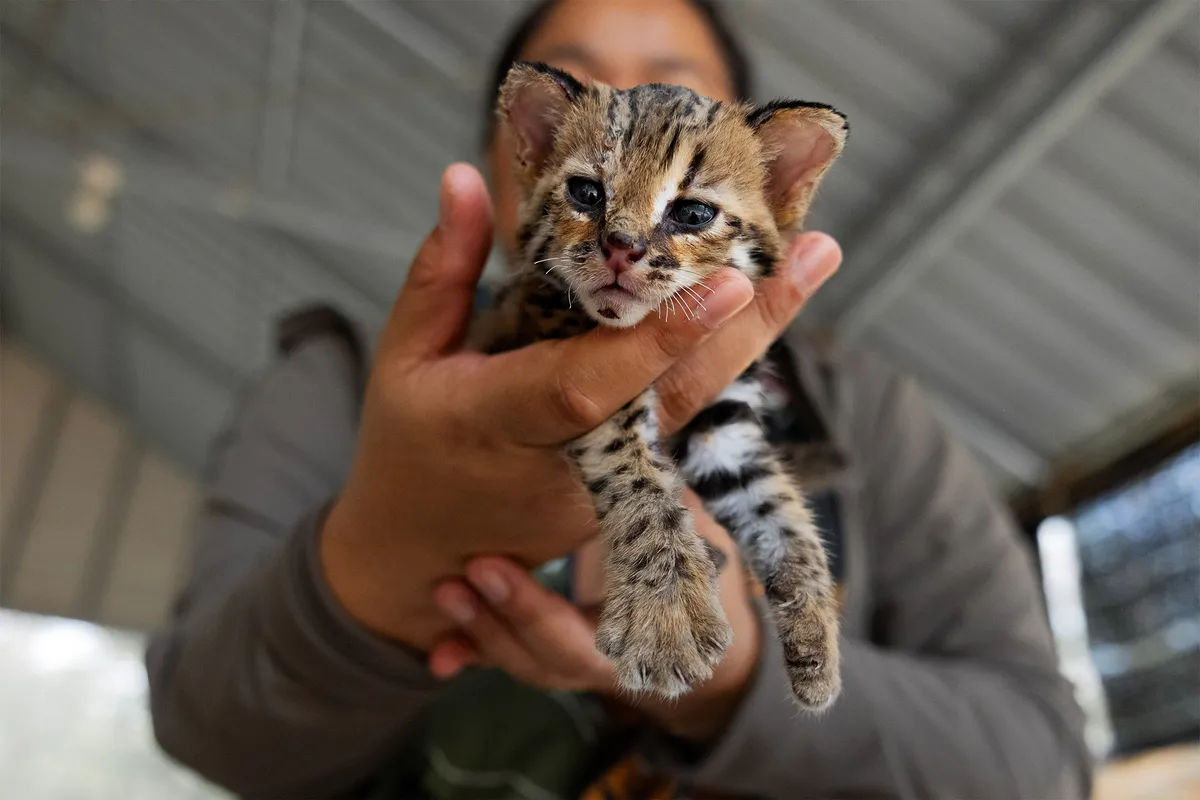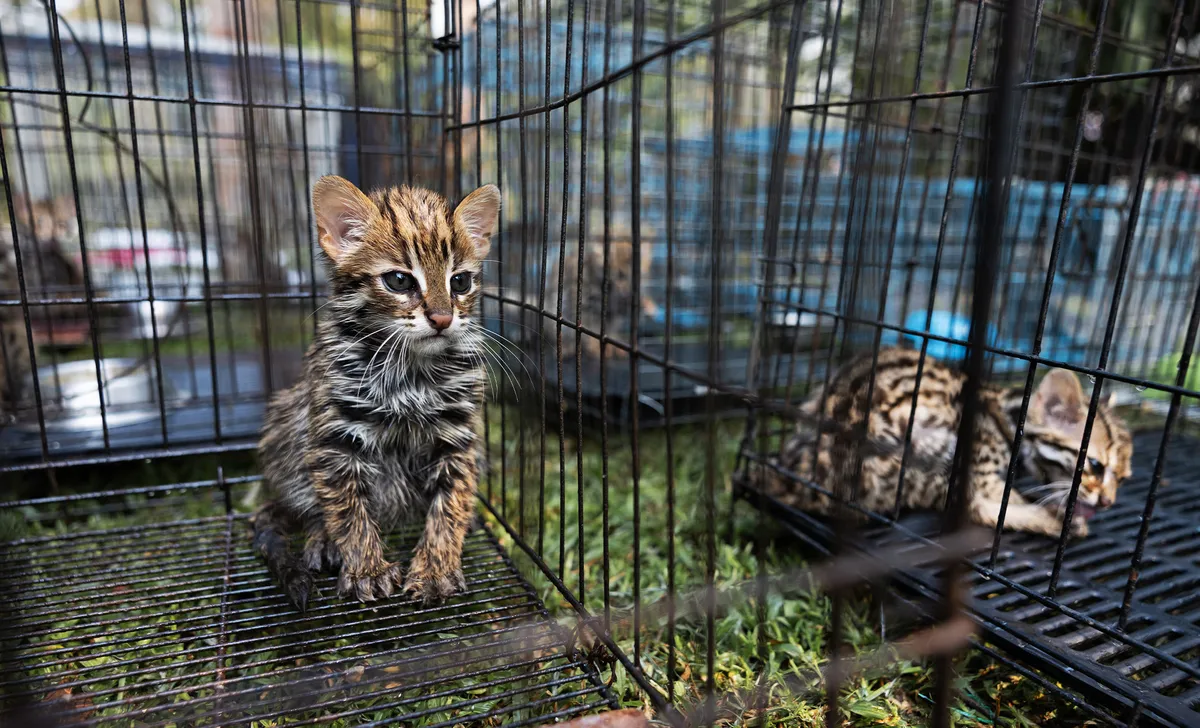
Imagine a tiny, spotted feline cub, barely bigger than your hand, its fur singed, its skin blistered, whiskers gone. This isn't some rare jungle predator caught in a wildfire. This is a leopard cat cub, one of dozens pulled from the deliberately burned sugarcane fields of northeastern Thailand.
Nuntita Ruksachat, a vet in the region, knows this sight all too well. Her rescue center in Khon Kaen is currently playing host to over 50 of these small, wild felines. The youngest are tucked into cages, while the slightly older (and presumably more rambunctious) ones get larger digs. It’s a full-time job, and it’s only getting busier.
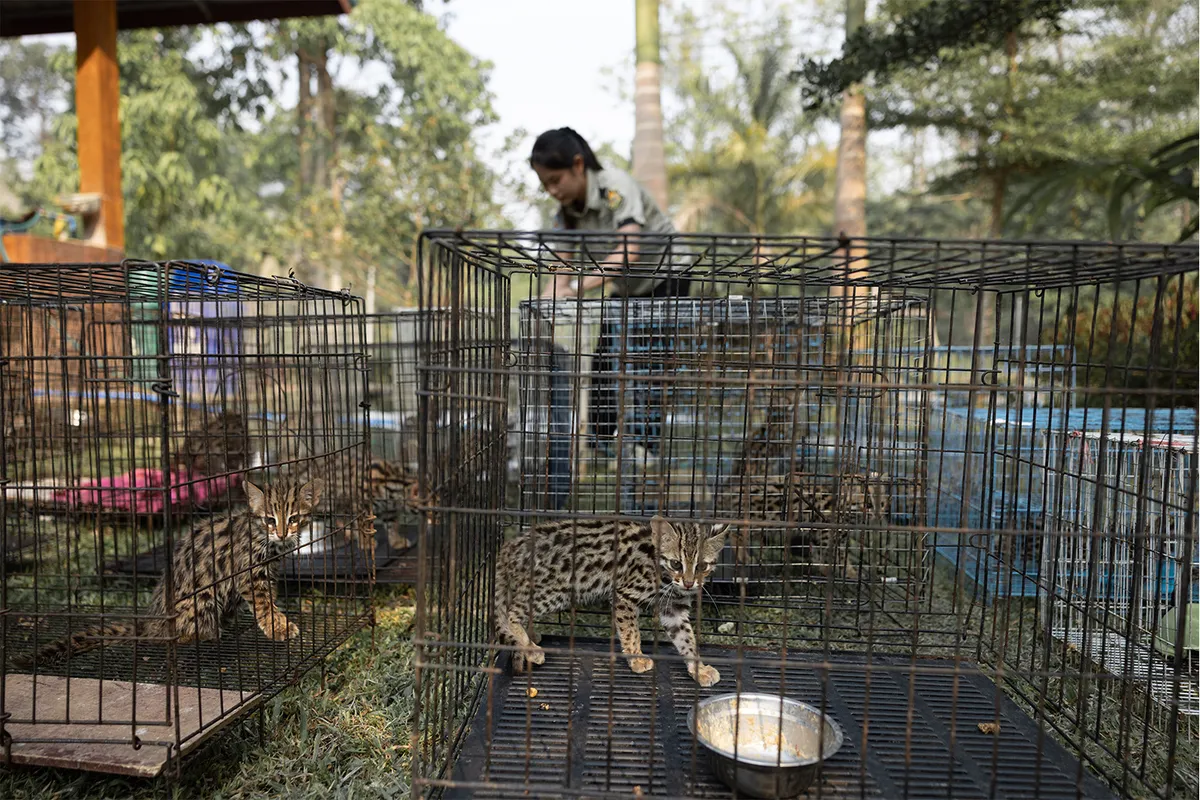
Leopard cats, for the uninitiated, are basically the wild, cooler cousins of your house cat. They're sleek, spotted, striped, and incredibly adaptable. As their natural forest habitats have dwindled, they've done what any clever creature does: found new digs. And in northeastern Thailand, those new digs happen to be sugarcane fields.
We're a new kind of news feed.
Regular news is designed to drain you. We're a non-profit built to restore you. Every story we publish is scored for impact, progress, and hope.
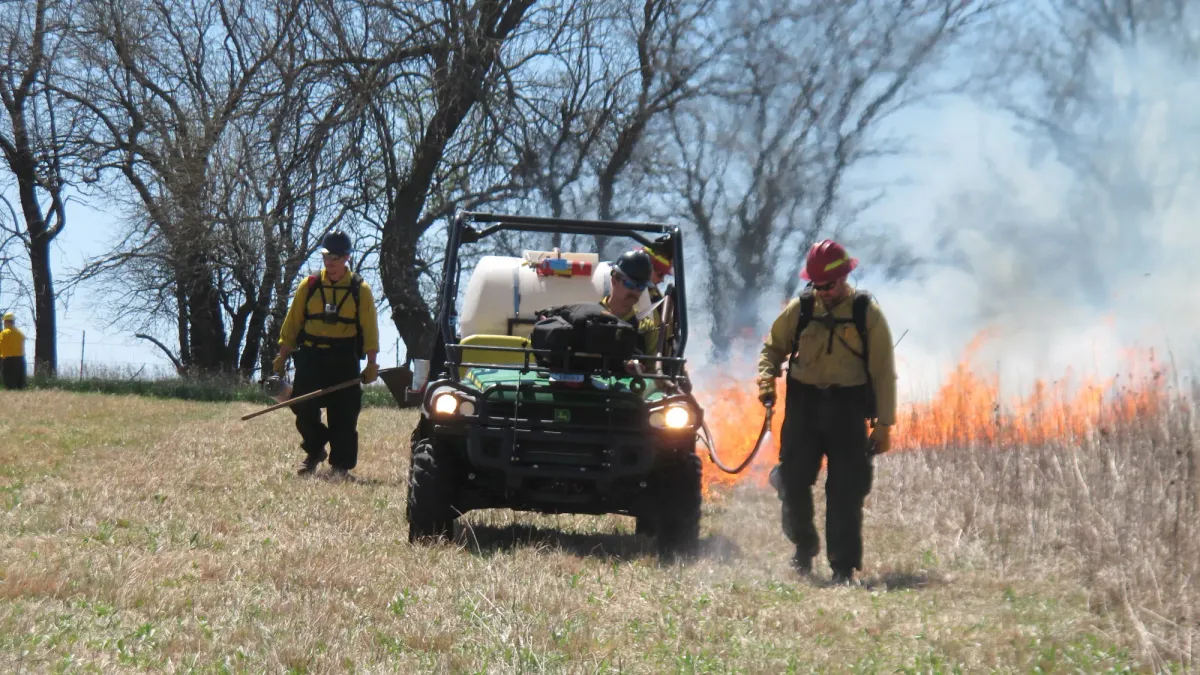
Start Your News DetoxWhich, in theory, sounds like a decent place to raise a family. Plenty of cover, presumably some tasty critters. Until, that is, harvest season rolls around. From December to April, farmers set their fields ablaze – a practice meant to clear the land and make harvesting easier. For the leopard cat mothers and their young, it's a sudden, scorching eviction notice.
The rescue center is on constant alert, receiving a steady stream of these tiny, singed survivors. They’re found alone, weak, and often bearing the marks of the fires. It’s a stark reminder that even the most adaptable creatures can find themselves caught between human convenience and a very hot place. The irony, of course, is that these cats adapted to us, only to be burned by the very landscape we created.