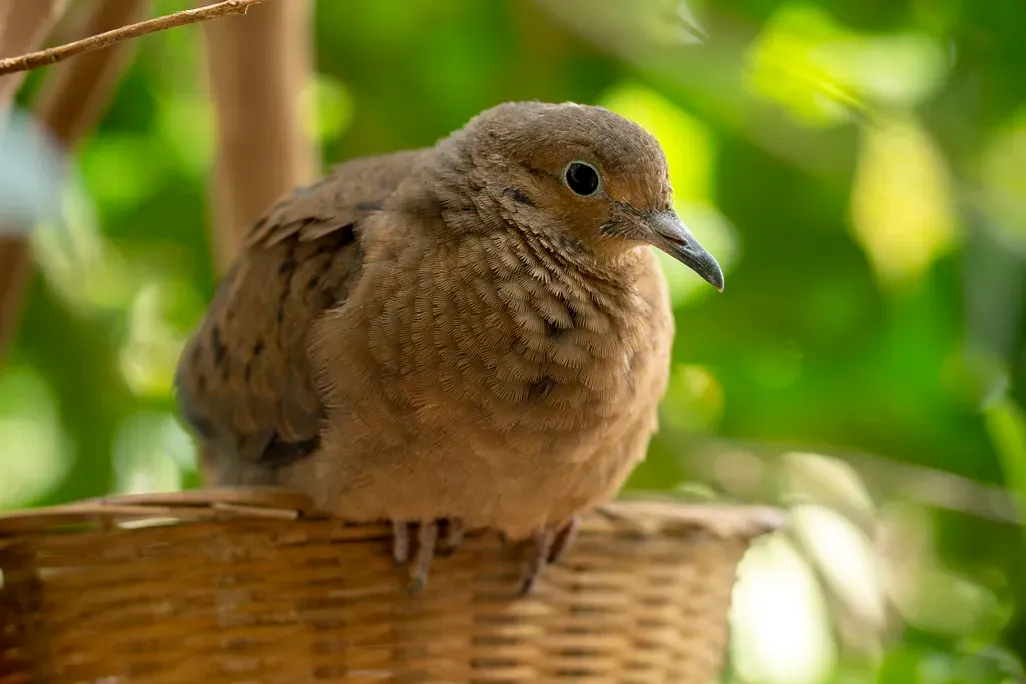
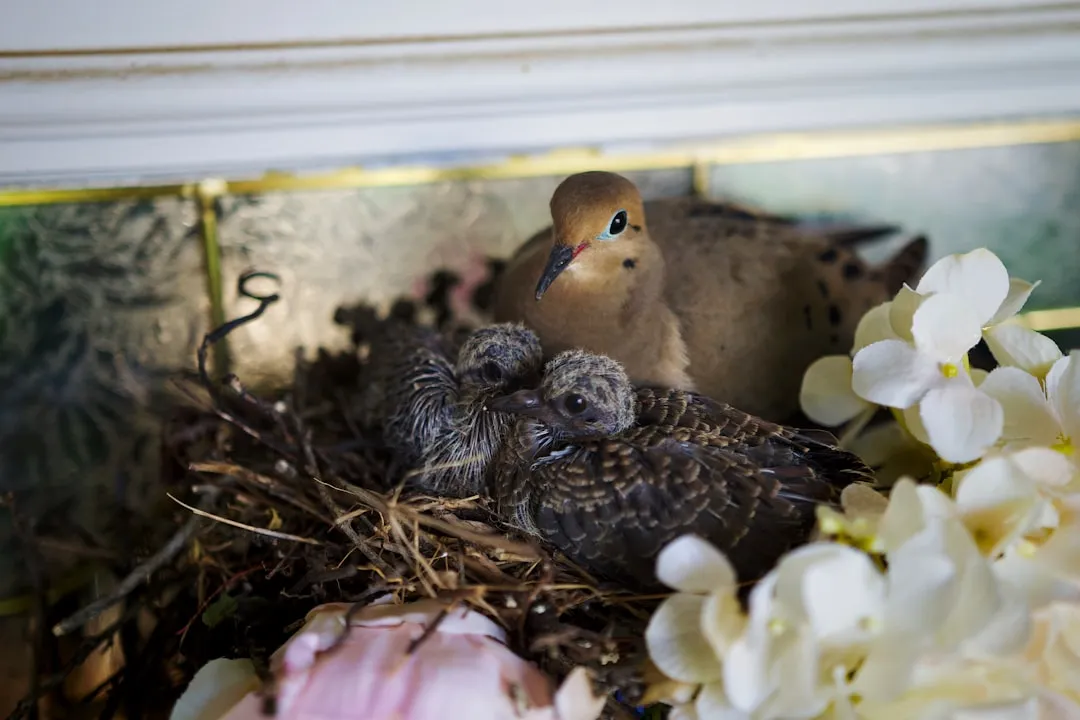
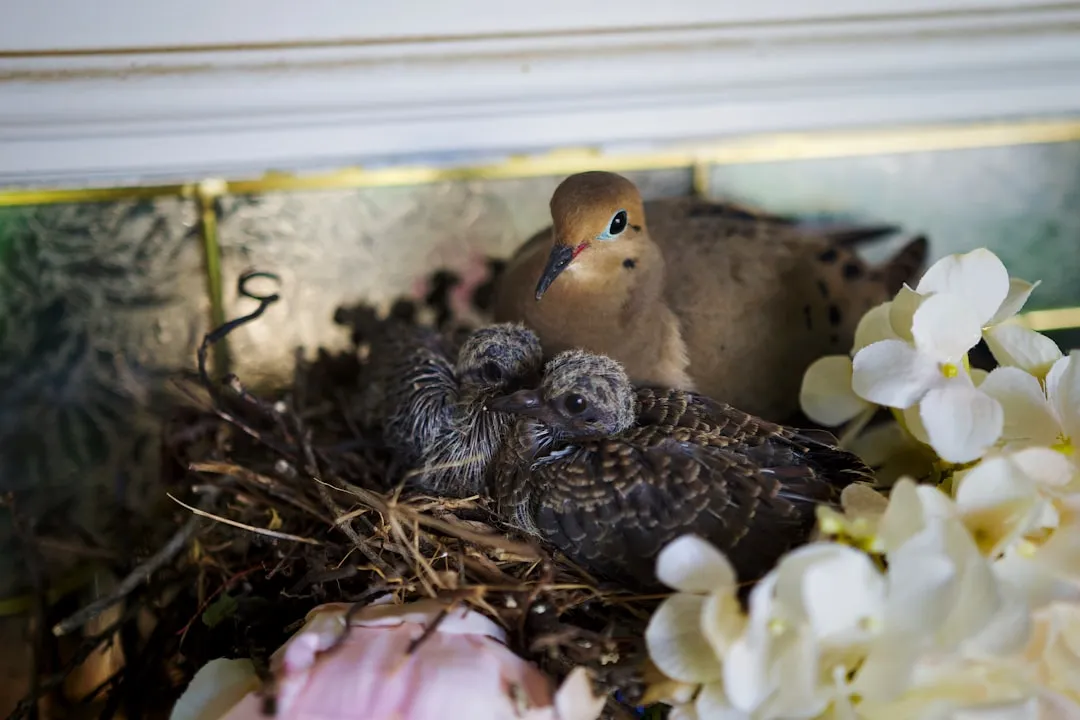
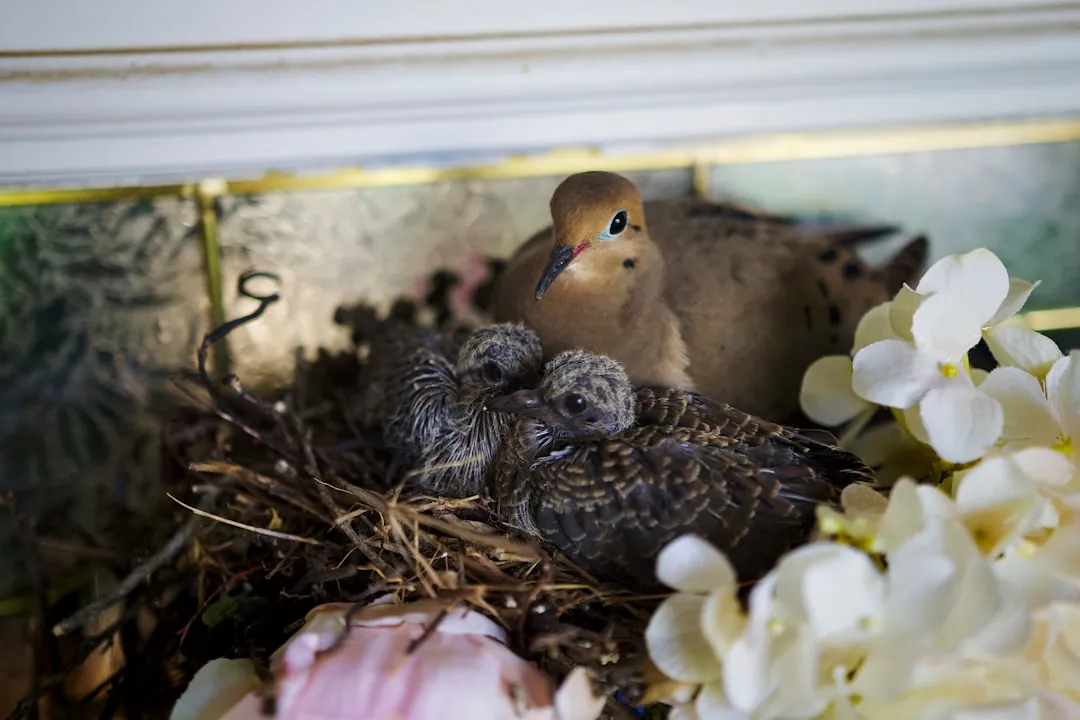
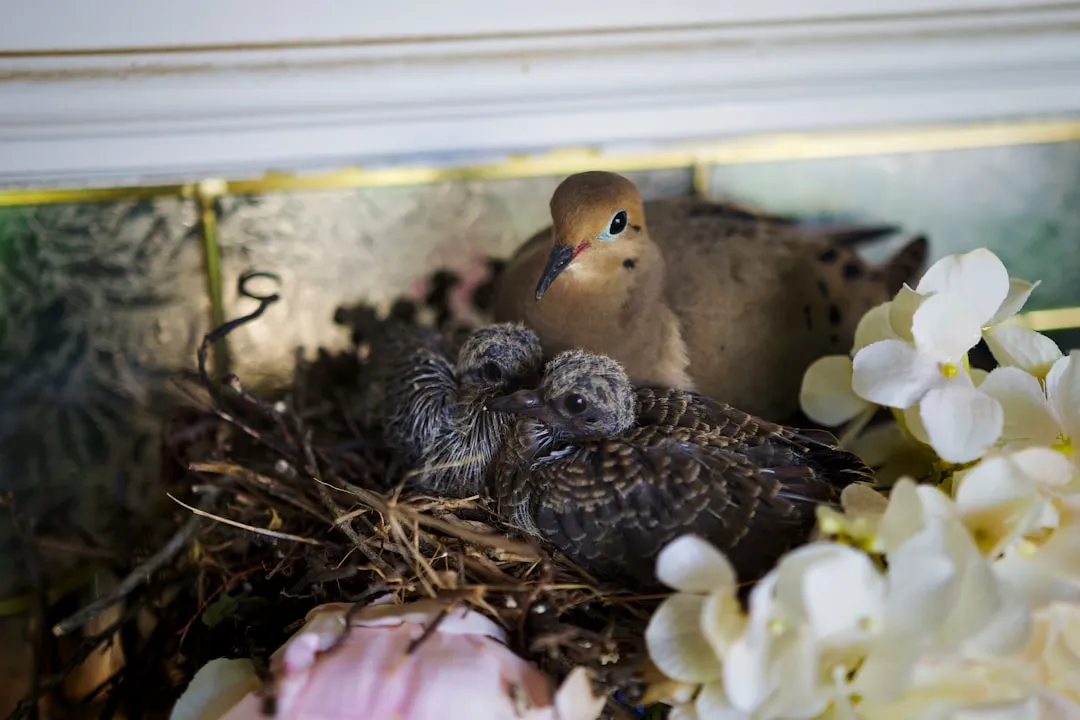
On March 7, a Socorro dove hatchling broke free from its eggshell. Ten days later, a second bird hatched, followed by a third on April 23. These three hatchlings were born at the San Diego Zoo Safari Park.
These birds are a crucial step for their species. While they might resemble common mourning doves, Socorro doves have unique shimmering, metallic-hued feathers on their necks. They are also incredibly rare.
Only about 200 Socorro doves exist globally, all living in captivity. The species disappeared from the wild in 1972, last seen on Mexico’s Socorro Island. Since then, zoos have kept the species alive through a breeding program called the Socorro Dove Project. The goal is to reintroduce these birds to their native habitat by 2030.
We're a new kind of news feed.
Regular news is designed to drain you. We're a non-profit built to restore you. Every story we publish is scored for impact, progress, and hope.
Start Your News DetoxJenna Stallard, wildlife care manager at San Diego Zoo Safari Park, calls these hatches a "significant source of hope." She notes that each successful hatch is a vital step toward securing the species' future.
The San Diego Zoo Safari Park's success follows other breakthroughs. In 2025, eight Socorro doves hatched at the Chester Zoo in England, and Whipsnade Zoo had its own hatchling in August. Bird Paradise in Singapore also welcomed two chicks last year. About 50 institutions across three continents are part of this breeding program.
The Safari Park's doves are described as "bold and curious." The hatchlings have grown quickly and already left their nests. Their good health is a positive sign, as these birds, or their offspring, may soon return to the wild. This would mark the first time Socorro doves live and breed freely in Mexico in over five decades.
The Decline of the Socorro Dove
Socorro doves originally lived only on Socorro Island, a 51-square-mile volcanic island off Mexico's coast. This island is part of the Revillagigedo Islands, often called the "Galápagos of Mexico" due to their rich ocean biodiversity.
The island's ecosystem has faced many challenges. Over 150 years ago, humans brought 100 sheep to the island. By 1960, this population grew to 5,000. These feral sheep severely damaged the habitat by overgrazing and destroying the birds' nest sites.
In the 1950s, a Mexican naval base was built on the island, and its residents introduced cats. While cats are often blamed for hunting the doves to extinction, their arrival was the final blow to a species already struggling. Juan Esteban Martínez Gómez, a scientist leading habitat restoration on the island, explains that habitat destruction by sheep was the main factor.
The Socorro dove prefers walking over flying, which may have made them more vulnerable to cats. An expedition in 1925 brought 17 doves into captivity, and their descendants are the only ones left today.
Rebuilding the Ecosystem for Return
Socorro doves have lived in human care for about 37 generations. Before they can return to the wild, conservationists must ensure their habitat is safe. John Ewen, a professor in species recovery, notes that dense forests and bushes are essential for these ground-nesting birds.
Teams in Mexico have worked for decades to restore the doves' ecosystem. In 1994, the Revillagigedo Islands became a Biosphere Reserve. Between 2009 and 2012, sheep were removed from the island to allow vegetation to regrow.
Martínez's teams are planting native trees on Socorro. He explains that the birds and the forest are closely linked. To recover the birds, the vegetation must also recover. His teams are researching ways to speed up the growth of native saplings. This restoration could also help other endangered species on the island, like the Socorro mockingbird and the Socorro Island tree lizard.
At Africam Safari in Mexico, captive Socorro doves live in aviaries with native trees. This helps them become familiar with the vegetation. Africam Safari joined the breeding program in 2013 and celebrated the first hatching of a Socorro dove on Mexican soil in 2014.
Conservationists plan to plant trees in specific areas, allowing the doves to help spread the forest. Socorro doves are important seed dispersers, eating fruits from endemic trees. Once released, they will help these trees spread across the island. Martínez believes reintroduction could happen within one or two years.
Hope for the Future
Conservationists, with the Mexican Navy, have built an aviary on Socorro Island. Arriving birds will be quarantined, then moved to a release pen, and finally into the wild. They will still need monitoring after release. Martínez stresses the need for a program to protect the doves, as some feral cats remain. Past reintroduction attempts, like with the Hawaiian crow, failed due to predators.
There is hope for the Socorro doves. Zoo-bred doves retain their natural reflex against aerial predators, like the Socorro red-tailed hawk. A 2016 study showed clear signs of vegetation recovery and improved soil quality after the sheep were removed.
Scientists have learned much about the species from their time in human care. This includes their breeding behaviors, pair bonding, and nest sites, which are crucial for reintroduction. They also know that doves' reproductive potential drops after about five or six years. Therefore, young birds will be brought to the island.
Martínez is hopeful that the birds will pair, bond, and reproduce in the wild. He acknowledges that new challenges will arise but remains optimistic. In a time of global biodiversity loss, protecting these rare birds is more important than ever.
Deep Dive & References
El programa de reproduccion y reintroduccion de la Paloma de Isla Socorro Zenaida graysoni - ResearchGate
Restoration of Socorro Island, Mexico: Eradication of Feral Sheep and Initial Responses of Vegetation and Birds - Forests, 2016
The Revillagigedo Archipelago: A Conservation Success Story - Interciencia, 2015
The global extent and impacts of feline predation - Nature Communications, 2023
Global trends in the status of birds and mammals - Frontiers in Ecology and the Environment, 2022