Today, we're looking back through time and forward into a future that seems increasingly… human-scaled. From uncovering the dietary secrets of our ancestors to the return of legendary birds, the patterns emerging are less about grand, sweeping gestures and more about the quiet, persistent work that adds up to something truly hopeful.
History Isn't Just for Museums Anymore
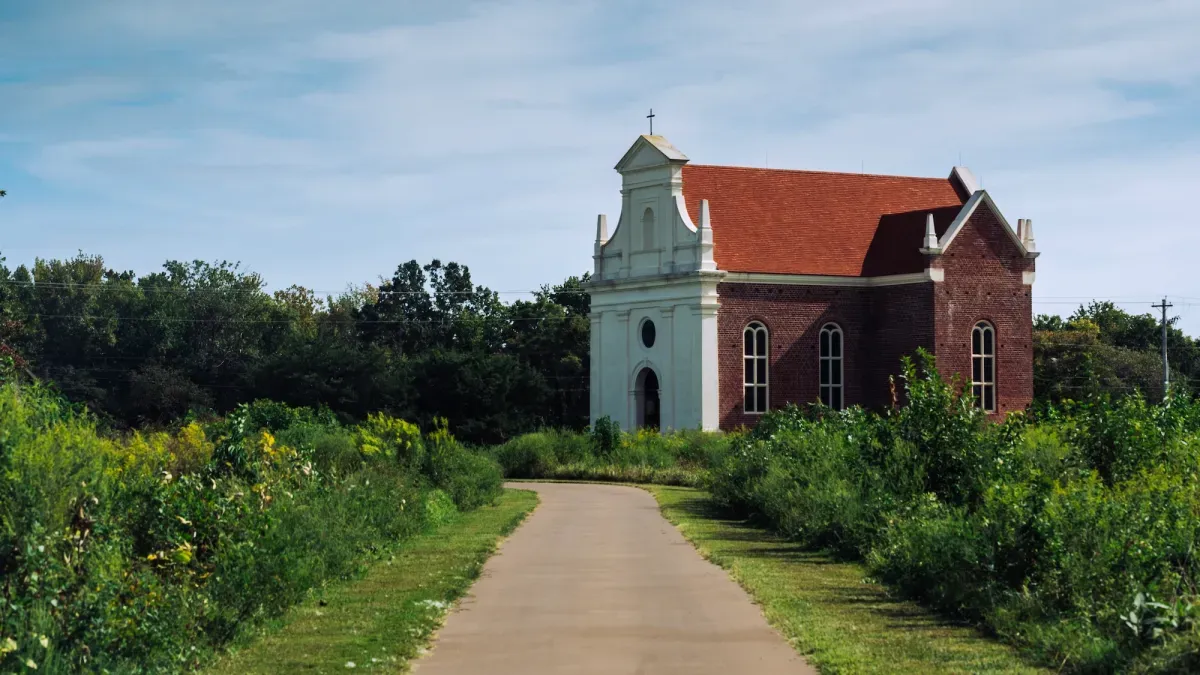
Archaeology and history often feel like dusty pursuits, but this week, they've offered surprisingly practical insights. In Maryland, scientists peering into the lives of 17th-century colonists discovered that 1.3 Million People Share DNA With a Few Dead Maryland Colonists. This isn't just a genealogical curiosity; it's a living link, revealing the deep roots of modern populations. Meanwhile, in Egypt, a team unearthed a 3,500-Year-Old Tomb, Complete With Mummified Cats, offering a vibrant snapshot of ancient reverence. What's truly compelling, though, is how these historical insights inform our present. The study on lower blood pressure from legume-rich diets reminds us that sometimes, the best health advice is as old as civilization itself. Our ancestors, it turns out, knew a thing or two about eating well.
"Higher soy and legume intake may reduce the risk of high blood pressure, with the greatest benefits seen at moderate daily consumption levels." — Read the full story
Wait—What is Brightcast?We're a new kind of news feed.
Regular news is designed to drain you. We're a non-profit built to restore you. Every story we publish is scored for impact, progress, and hope.
Start Your News Detox
What this means for you: Whether it's understanding your own genetic tapestry or rediscovering time-tested dietary wisdom, history isn't just about the past; it's a guide to living better today.
Nature's Quiet Comeback and Our Role In It
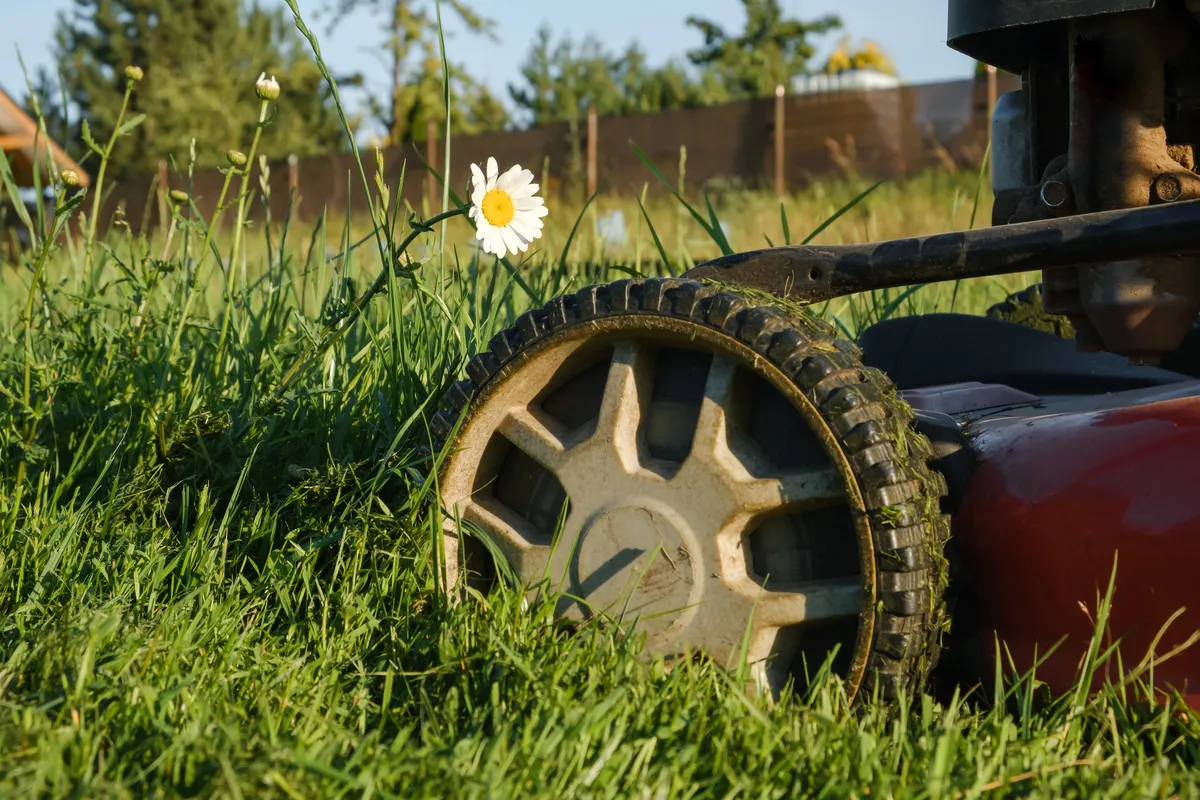
Sometimes, the most profound changes aren't announced with fanfare but with the flutter of wings. This week, the Cornish cliffs saw the return of choughs to Tintagel Castle after decades of absence. These charismatic birds, steeped in Arthurian legend, are a testament to nature's resilience when given half a chance. 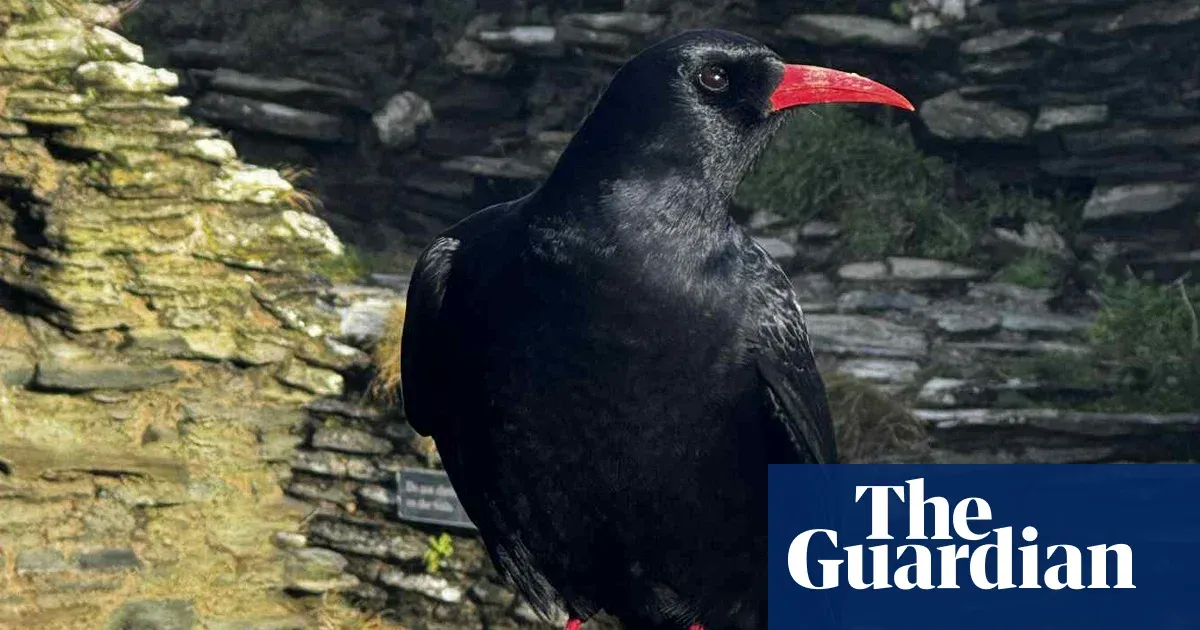 Similarly, the discussion around No Mow May highlights how small, individual actions can ripple outwards to support early-season pollinators. It's not always about grand conservation projects; sometimes, it's about letting your lawn get a little shaggy. Even in Nebraska, where firefighters are grappling with the delicate balance of fighting fire with fire, the narrative is one of humans learning to work with natural processes, not just against them. These aren't just isolated victories; they're patterns of a growing understanding that our well-being is deeply intertwined with the health of the natural world.
What this means for you: From your backyard to ancient castles, the environment is responding to subtle shifts in how we live, and your choices matter more than you might think.
The Unexpected Joy of Movement and Connection
If there's one thing that cuts through the noise of daily life, it's the sheer, unadulterated joy of connection and movement. The story of a travel company helping 5,000 Seniors Bungee Jump, Scuba Dive, and See the World reminds us that adventure isn't just for the young. It's about a spirit that defies age and expectation. And then there's Cole, the Deaf Pitbull who Gives Daily Hugs, teaching children that being different is not just okay, it's something to celebrate.  These heartwarming tales pair perfectly with the scientific revelation that dancing is basically a cheat code for your brain and body. It's not just exercise; it's a full-spectrum well-being boost that fosters joy and connection. In a world that often feels isolating, these stories are a vibrant reminder of the simple, powerful ways we find happiness and meaning together.
What this means for you: Don't underestimate the power of a good hug, a shared adventure, or simply putting on some music and dancing like no one's watching – your brain, body, and spirit will thank you.
Hope stat: 5,000 — seniors who've bungee-jumped or scuba-dived, proving adventure has no age limit.
Watch this space: The continued efforts to integrate traditional ecological knowledge with modern conservation strategies are gaining significant traction.