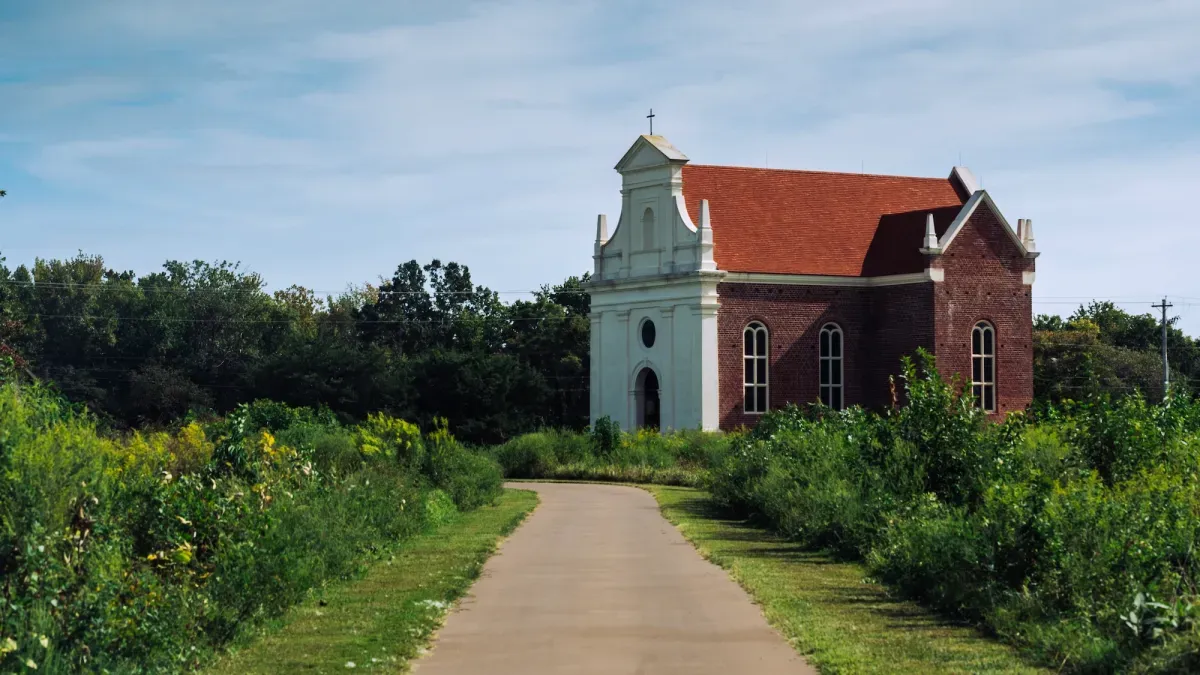
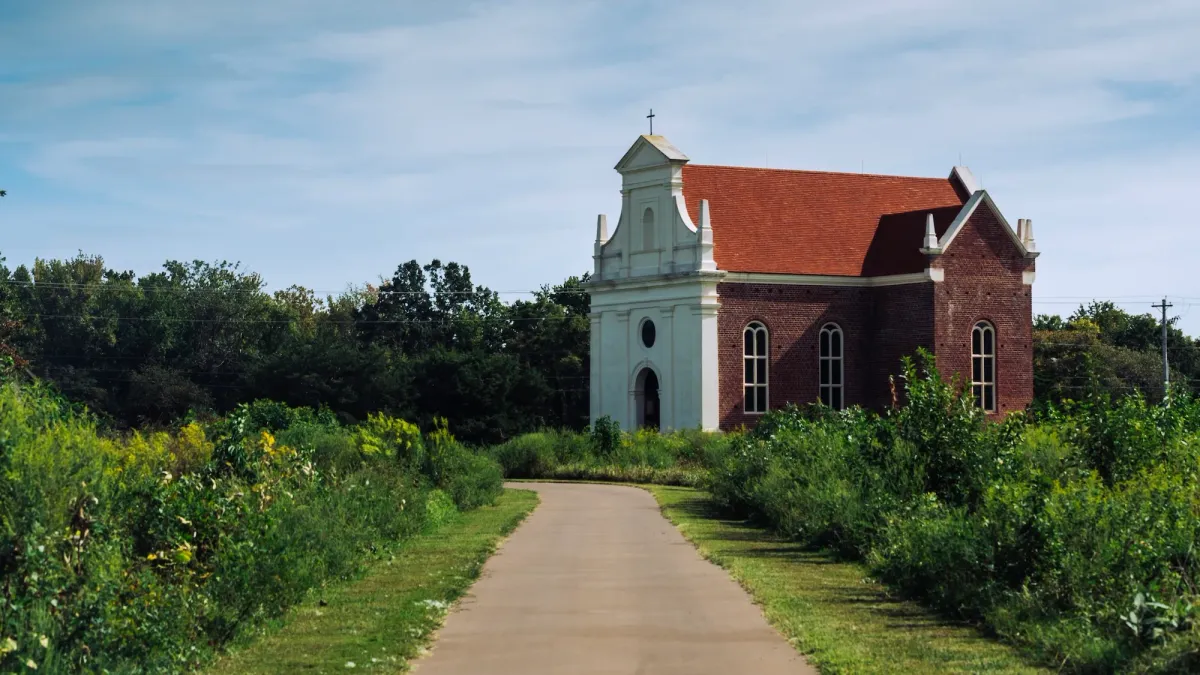
Back in 1634, a bunch of English settlers decided St. Mary's City, Maryland, was the place to be. It became the state's very first permanent outpost, which meant a lot of people eventually ended up in its Chapel Field cemetery. We're talking 49 colonists between 1634 and 1734. Just living their best colonial lives, then... not.
Fast forward a few centuries, and some geneticists — teaming up with Harvard, the Smithsonian, and the ever-present 23AndMe — decided to poke around those old remains. Their goal? To trace the genetic ripples of these early American adventurers.
Turns out, those ripples became a full-blown tsunami. The study, published in Current Biology, found that a surprisingly small group of original settlers can have a truly massive genetic impact over time. How massive? Try 1.3 million living descendants who can trace their lineage directly back to the folks buried at St. Mary's City. Let that satisfyingly large number sink in.
We're a new kind of news feed.
Regular news is designed to drain you. We're a non-profit built to restore you. Every story we publish is scored for impact, progress, and hope.
Start Your News DetoxHistory, Meet Your Relatives
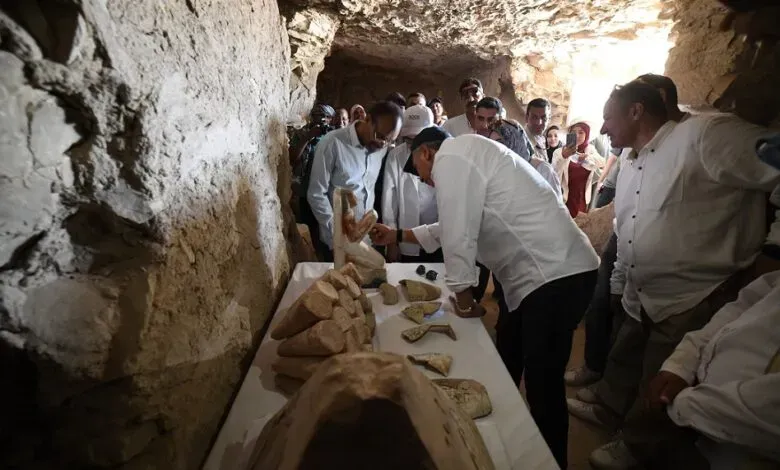
The research wasn't just about finding distant cousins. It also involved some serious historical detective work. Decades ago, in 1986, three very rare lead coffins were unearthed in the cemetery's Brick Chapel. Inside: Philip Calvert, Maryland's fifth governor, his first wife Anne, and an infant son from his second wife, Jane Sewell. Philip was part of a big-deal founding family, and later DNA analysis linked the Calverts to three more nearby bodies.
Douglas Owsley, a Smithsonian curator, noted that while they need a bit more work to 100% confirm all those family ties, finding multi-generational families was a genuine surprise, given the sky-high mortality rates in the early colony. Apparently, living past 30 was an achievement worthy of a parade.

But the biggest historical mic drop? The team believes they've identified the remains of Maryland's second governor, Thomas Greene, along with his first wife Anne and their son Leonard. They did this by comparing ancient DNA with 11.5 million 23AndMe participants, then cross-referencing with known family trees and anthropological data. It's like a historical episode of Finding Your Roots, but with more dirt.
Éadaoin Harney, a senior scientist at the 23andMe Research Institute, pointed out this is the first time ancient DNA has helped identify unknown individuals without any prior hints. And one of them turned out to be a colonial VIP. Which, if you think about it, is both impressive and slightly terrifying for anyone who thought their past was safely buried.
They also confirmed a significant historical migration: between 1780 and 1820, many of the colony's Catholics packed up and moved south to Kentucky, fleeing economic woes and anti-Catholic sentiment. Because apparently, some things never change.

David Reich, a Harvard geneticist, summed it up perfectly: while written records are great, genetic data can fill in the blanks and drop some seriously unexpected surprises. So, next time you're scrolling through your family tree, remember, there might be a colonial governor lurking in your genetic past.