For 60 years, scientists thought they fully understood a protein called HSL. This protein, hormone-sensitive lipase, was known for burning fat. It helped release stored fat when the body needed energy.
But there was a puzzle: people born without HSL didn't become obese. Instead, they lost fat tissue and developed a rare condition called lipodystrophy. Now, researchers from the University of Toulouse believe they have solved this mystery.
HSL's Hidden Role in Fat Cells
The new study shows that HSL has a second, unknown job inside fat cells. Besides breaking down fat, the protein also goes into the nucleus of these cells. There, it helps keep the fat tissue healthy and working correctly.
We're a new kind of news feed.
Regular news is designed to drain you. We're a non-profit built to restore you. Every story we publish is scored for impact, progress, and hope.
Start Your News DetoxThis discovery changes how scientists see body fat. It's not just stored energy. Fat is an active organ that affects metabolism, hormones, inflammation, and heart health.
Fat cells, called adipocytes, store energy as triglycerides in tiny lipid droplets. When the body needs energy, like during fasting or exercise, hormones activate HSL. This helps release fatty acids to fuel muscles, the heart, and other organs.
Because of this, scientists thought removing HSL would trap fat in cells and cause major weight gain.
However, both mice and humans without HSL develop lipodystrophy. This condition involves losing healthy fat tissue. Even though it seems opposite to obesity, lipodystrophy can lead to similar serious problems. These include insulin resistance, diabetes, fatty liver disease, and heart issues. This contradiction made researchers look closer at where HSL works inside cells.
Inside the Cell Nucleus
Using advanced tools, the team found that HSL isn't just on the surface of fat droplets. It also gathers inside the nucleus, which controls gene activity.
In the nucleus, HSL works with proteins that regulate genes and cell signals. The researchers found that HSL in the nucleus helps keep fat tissue healthy. It does this by affecting processes related to mitochondria (the cell's powerhouses) and the extracellular matrix (the structure around cells).
Jérémy Dufau, a co-author of the study, explained that HSL in the nucleus connects with other proteins. It helps maintain the right amount of fat tissue and keeps fat cells healthy.
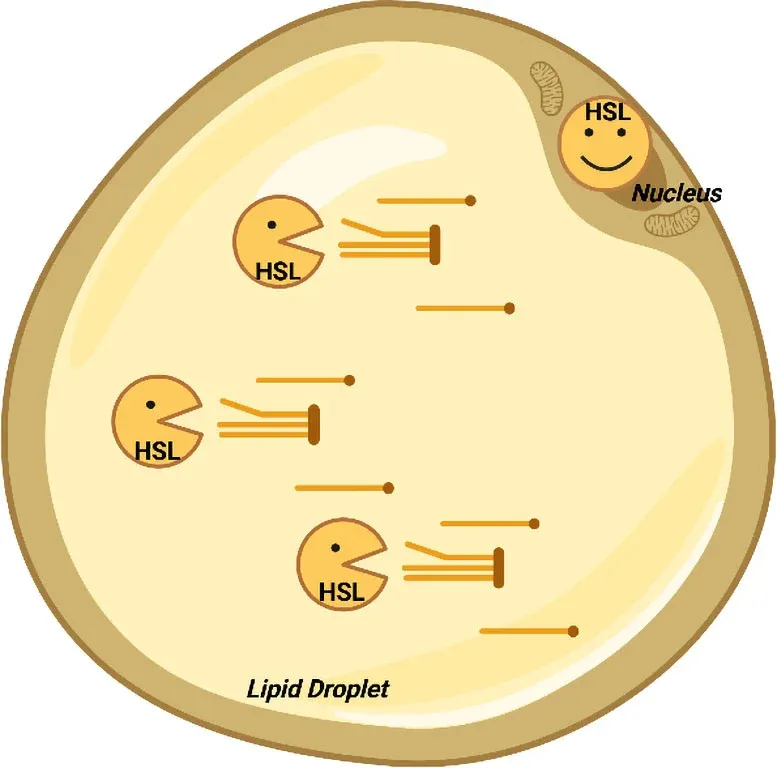
This finding suggests HSL is not just an enzyme that breaks down fat. It also helps control how cells behave.
The study also showed that this nuclear activity is carefully managed. During fasting, adrenaline activates HSL and moves it out of the nucleus to the fat droplets. There, it helps release stored energy. But in obesity, HSL builds up too much inside the nucleus of fat cells.
Researchers believe this imbalance might lead to unhealthy changes seen in obesity, like poor metabolism and tissue problems.
Fat Tissue and Metabolic Disease
Scientists now know that healthy fat tissue is vital for overall health. When fat cells don't work right, it can affect the whole body.
In obesity, fat cells often get bigger, become inflamed, and struggle to manage energy. In lipodystrophy, the body doesn't have enough working fat tissue to safely store fats. In both cases, extra fat can go into organs like the liver and muscles, raising the risk of metabolic diseases.
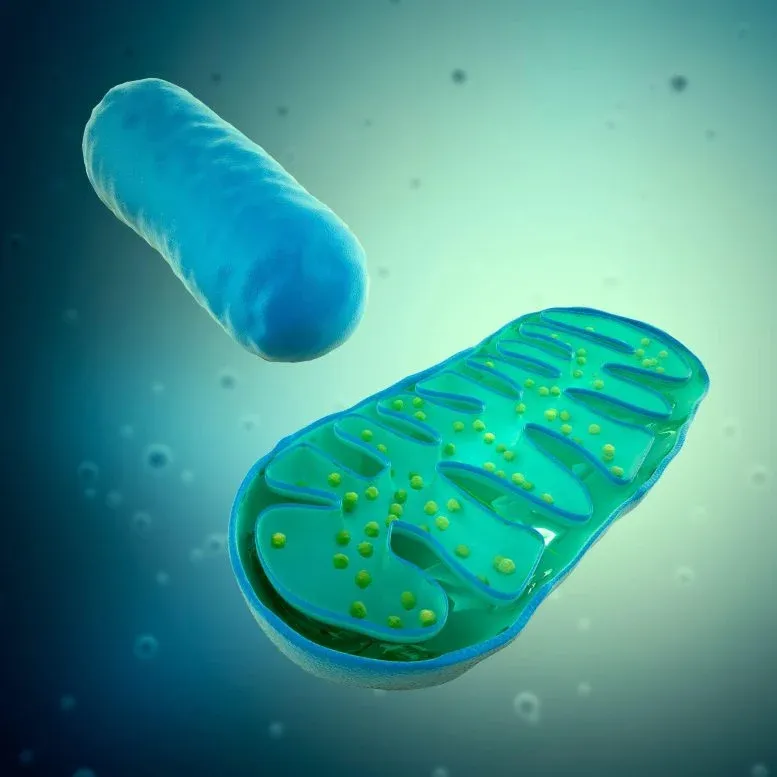
The new findings suggest HSL might be central to several important body systems. It links fat storage, energy release, mitochondrial activity, and cell signaling pathways related to inflammation and tissue changes.
The researchers also found that HSL interacts with SMAD3. This is a key regulator in the TGF-β signaling pathway, which is linked to fibrosis, obesity, and insulin resistance. This connection could help explain why fat tissue stops working well during long-term weight gain.
Impact of the Discovery
More than two in five adults in the US have obesity. Rates of type 2 diabetes and fatty liver disease have also risen sharply.
While new weight-loss drugs have changed obesity treatment, scientists are still trying to understand the basic biology of fat tissue. This discovery adds an important piece to that puzzle.
Dominique Langin, who led the study, noted that HSL has been known since the 1960s for moving fat. But now, they know it also plays a key role in the nucleus of fat cells, helping keep fat tissue healthy.
Researchers believe this work could lead to new ways to treat obesity, lipodystrophy, and related metabolic diseases. The focus would be on improving the health and function of fat cells, not just reducing body weight.
Deep Dive & References
Nuclear hormone-sensitive lipase regulates adipose tissue mass and adipocyte metabolism - Cell Metabolism, 2025