This week, humanity stretched its gaze to the very edges of the cosmos, mapping the universe’s ancient infrastructure. But while we were busy charting distant galaxies, a quiet revolution was happening closer to home, reminding us that the grandest discoveries often have the most grounded implications.
The Universe’s Secret Blueprint
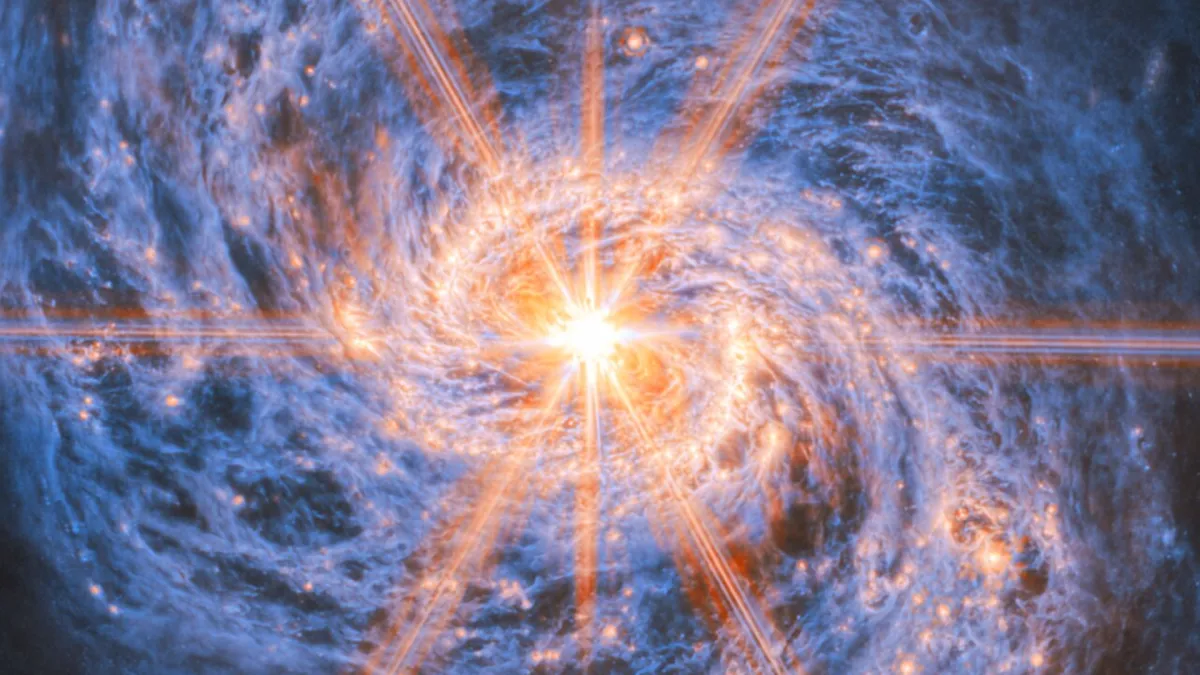
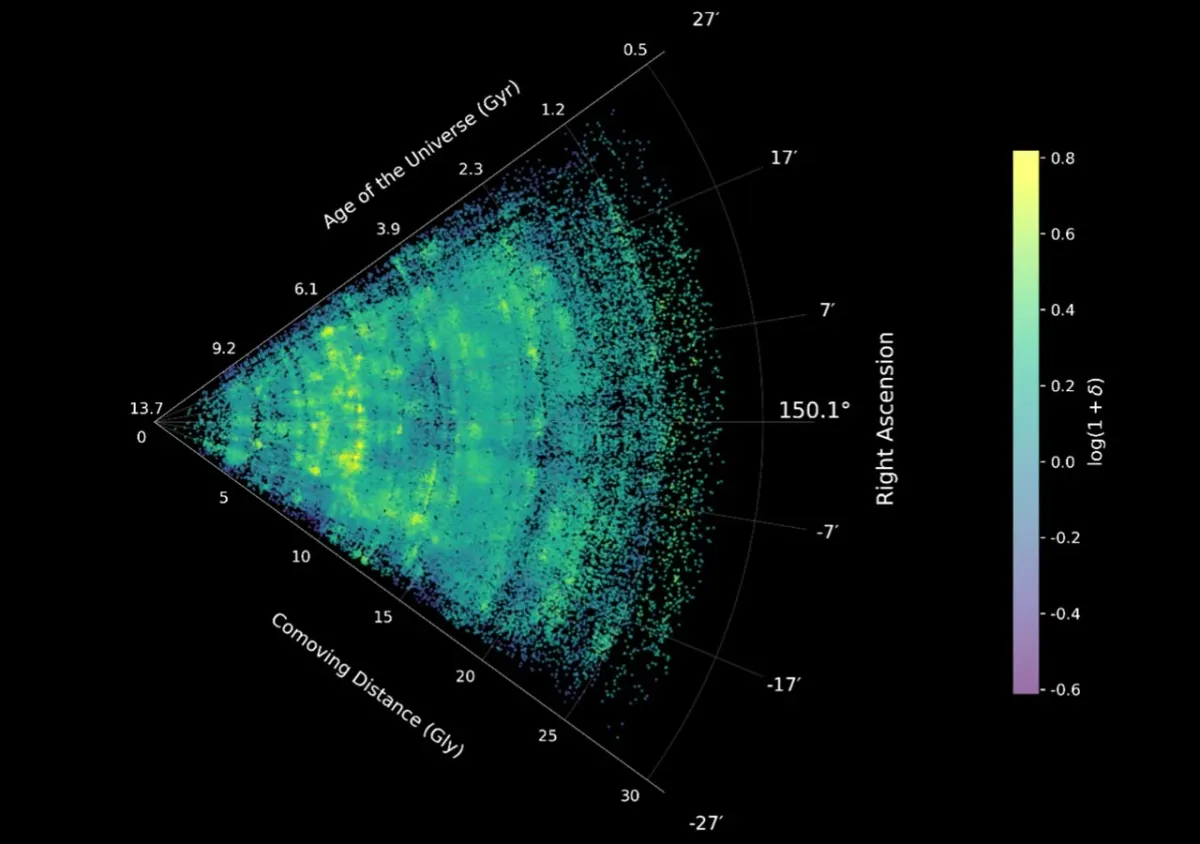
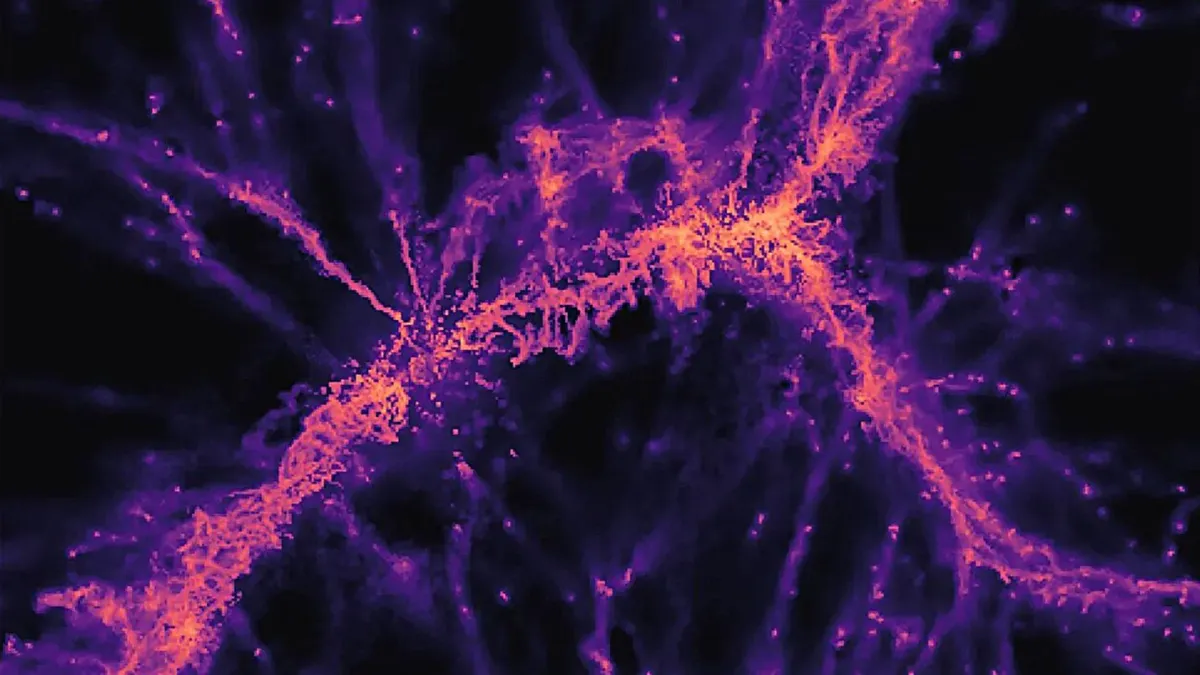
Imagine staring into a void so vast it holds 13.7 billion years of history. That’s what astronomers using the James Webb Space Telescope just did, creating the most detailed map of the cosmic web ever. Forget pinpricks of light; this is the universe’s skeleton, a vast network of gas and dark matter filaments connecting galaxies like shimmering highways.
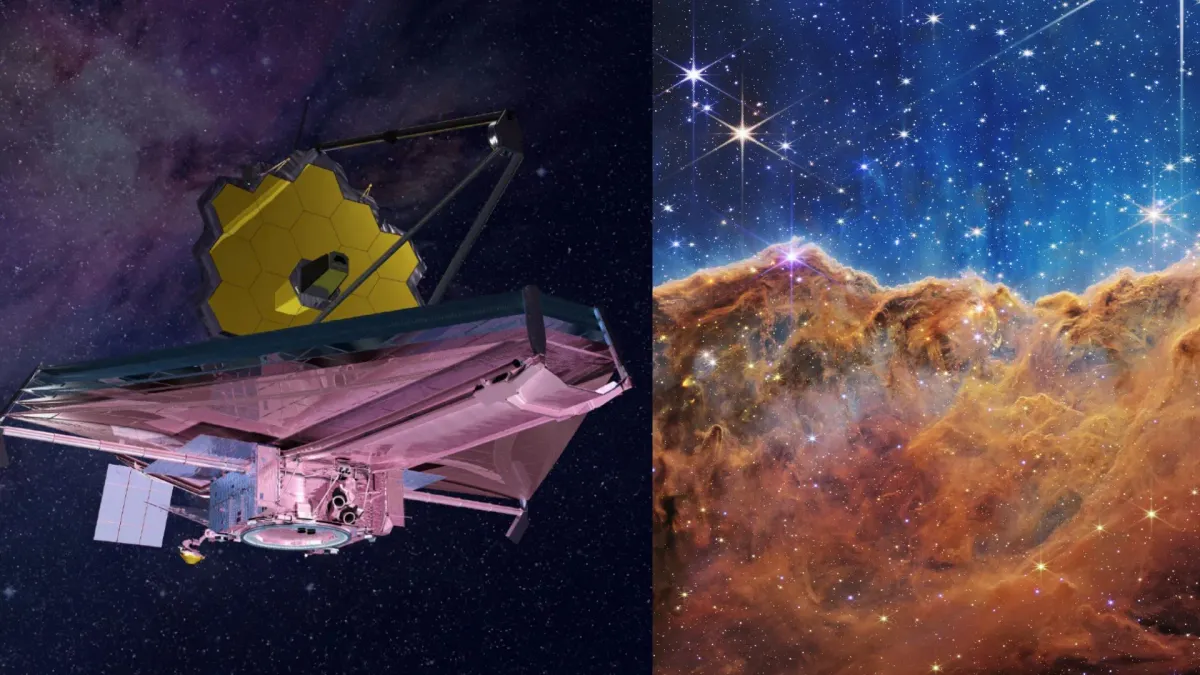
This isn't just pretty space photography. By tracing these cosmic highways, scientists can now see how galaxies connected and evolved from when the universe was barely a billion years old. They’re even starting to understand how those monster black holes get so big — through violent mergers deep inside crowded star clusters. And in a delightful twist, they even snapped a picture of one of these hidden highways, a glowing strand stretching 3 million light-years, linking two galaxies from nearly 12 billion years ago. If you’ve ever felt small, this week offered a new perspective: we’re living within an unimaginably ancient, interconnected structure, and we’re finally learning to read its blueprint.
We're a new kind of news feed.
Regular news is designed to drain you. We're a non-profit built to restore you. Every story we publish is scored for impact, progress, and hope.
Start Your News Detox"The cosmic web is the universe’s vast, skeleton-like framework—a network of galaxies connected by invisible filaments of gas and dark matter." — Read the full story
Earth’s Quiet Revolution
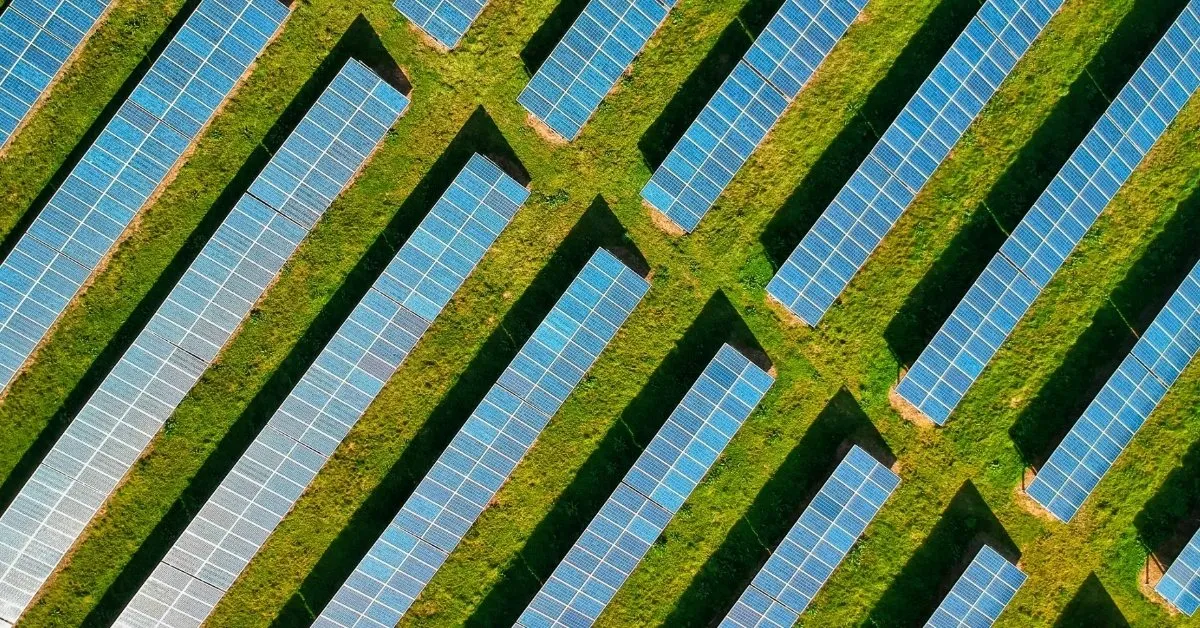
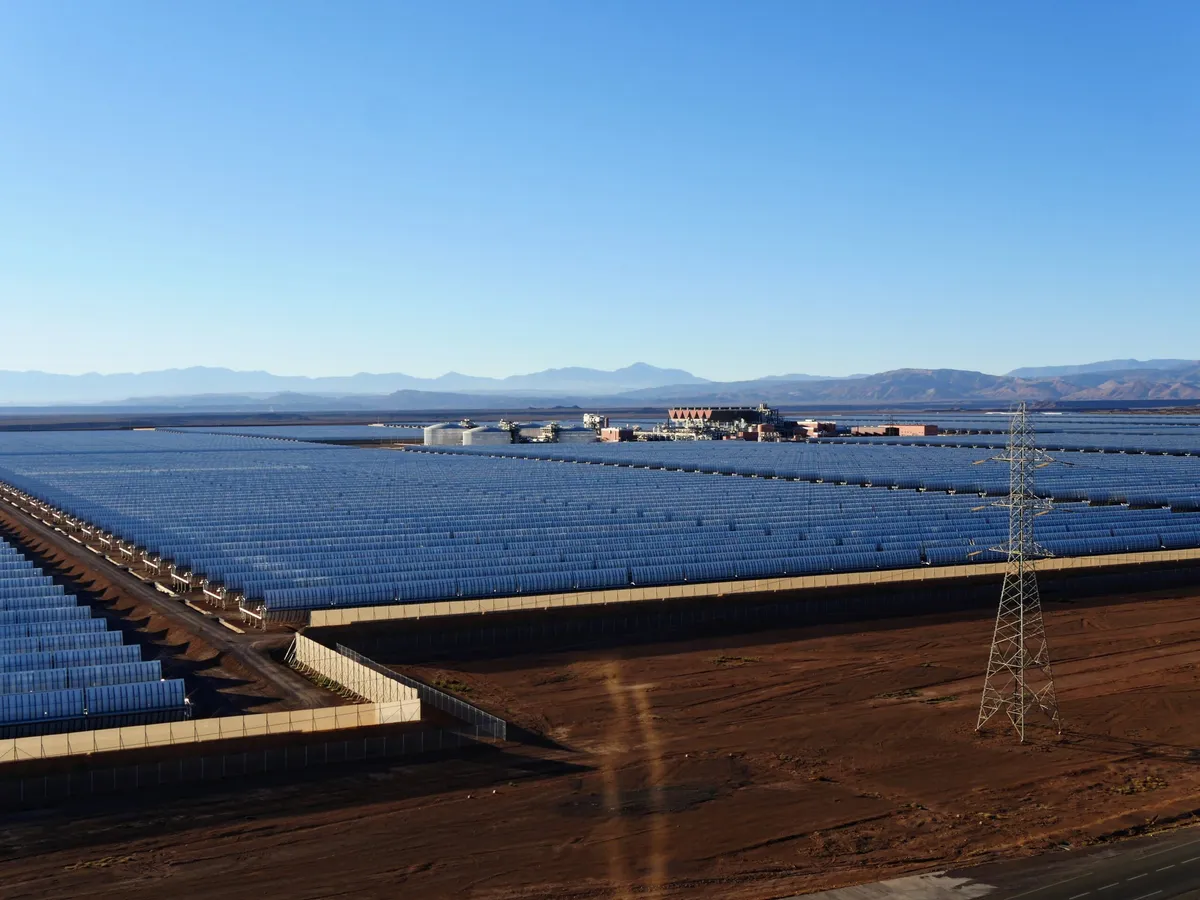
While some were mapping the cosmos, others were quietly reshaping our own planet’s future. The big news? Renewables just got so cheap they’re outcompeting fossil fuels. This isn't theoretical; it's a global economic reality backed by UN data. Meaning, the push for clean energy isn't just about saving the planet anymore; it's about saving money.
This economic momentum is already in motion. At the Africa Forward Summit in Nairobi, European and African leaders sealed a €27 billion green energy deal, with 40 companies planning investments across 30 projects. It’s a clear signal that the shift isn’t waiting for permission; it’s happening where the economic opportunity is clearest. If you’ve been looking for tangible proof that the world is indeed transitioning to clean energy, this week provided a rather compelling stack of receipts.
The Unseen Architect of Change
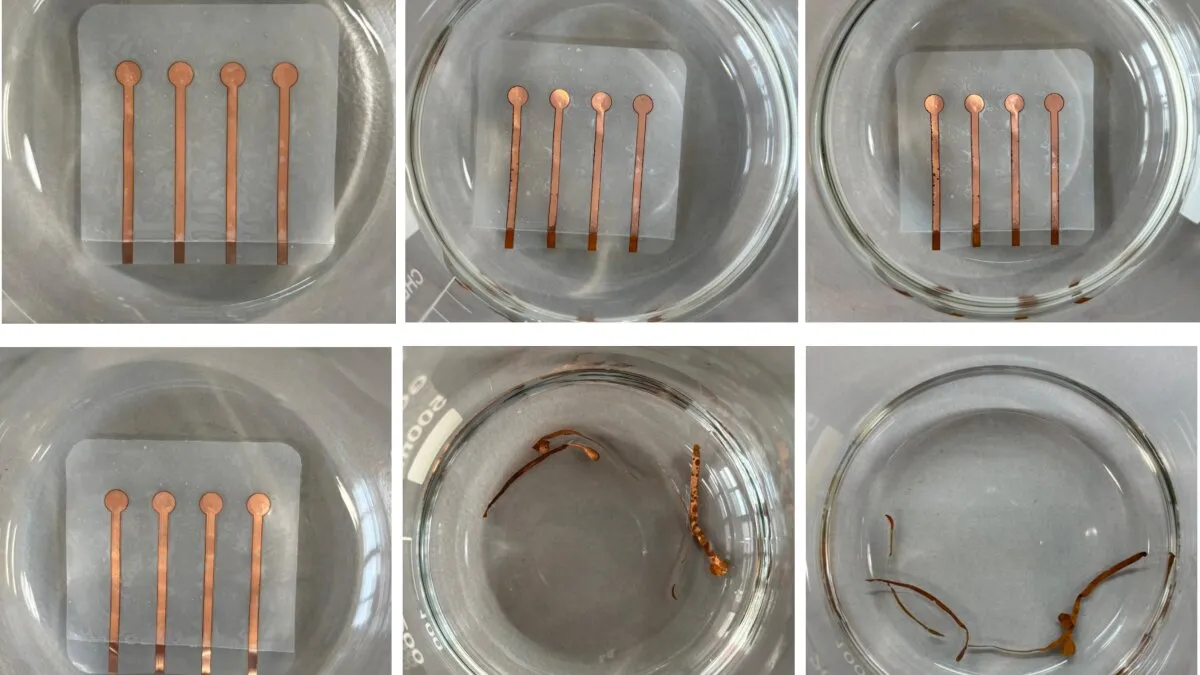
Sometimes, the biggest shifts happen at the smallest scales. This week, we saw how even things we consider inert are more dynamic than we think. A team at the University of Hong Kong developed a new ‘super steel’ that could make green hydrogen production 40 times cheaper by surviving conditions that corrode regular steel. This isn't just an alloy; it's a fundamental rethinking of materials science. Meanwhile, scientists engineered a new ‘living plastic’ that eats itself on command, using bacteria to degrade it when no longer needed. And in a truly bizarre turn, a volcano that blew up in the South Pacific actually started cleaning its own mess, releasing chemicals that could help slow global warming. These are not isolated incidents; they’re examples of nature and human ingenuity collaborating to solve problems at a foundational level. When we stop seeing materials and processes as static and start understanding their hidden dynamism, the possibilities for innovation truly open up.
Hope stat: €27 billion — the amount of green energy and infrastructure investment pledged for Africa this week.
Watch this space: Keep an eye on how these new material innovations begin to scale, particularly in the energy sector.