California condors are nesting in the Pacific Northwest again after 100 years

California condors are nesting in the Pacific Northwest for the first time in over a century! The Yurok Tribe's reintroduction program announced the historic nest, confirmed by condor behavior and flight data.

Nadia Kowalski
Nadia Kowalski
·1 min read·United States·65 views

Originally reported by Mongabay · Rewritten for clarity and brevity by Brightcast

For the first time in over a century, California condors are nesting in the wild Pacific Northwest. This is seriously cool news from the Yurok Tribe's reintroduction program.

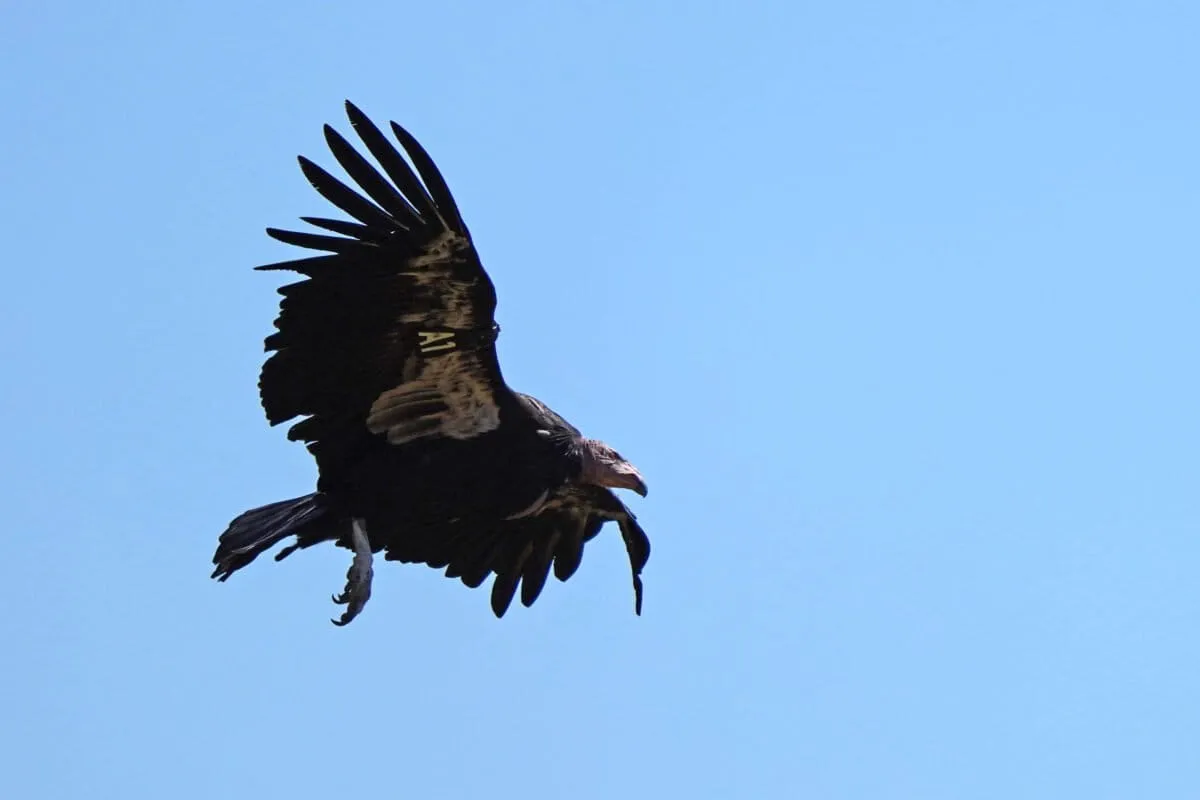
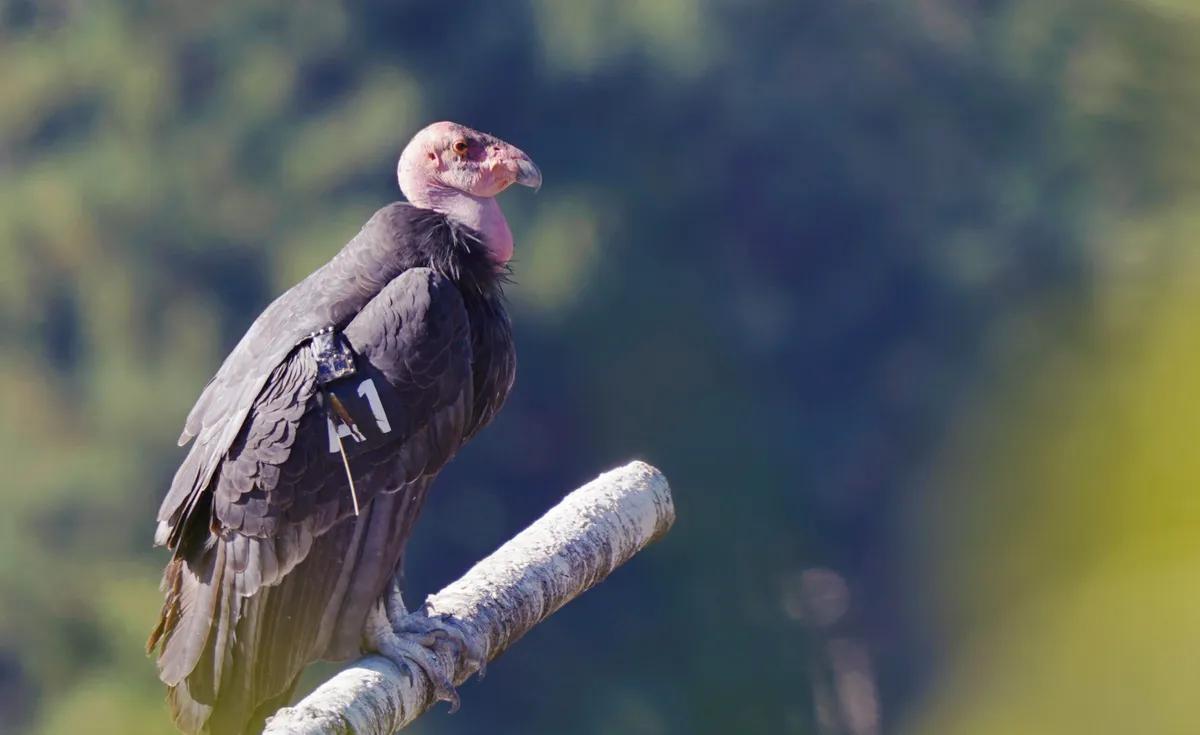
Biologists noticed a female condor, named Ney-gem’ Ne-chween-kah, acting a little different. Satellite data showed she probably laid an egg back in early February. Her nest is tucked inside a hollow old-growth redwood tree.

Article illustration

Her mate, Hlow Hoo-let, is sharing egg-sitting duties. Both birds are about seven years old, which is right when condors usually start having chicks.

Wait—What is Brightcast?

We're a new kind of news feed.

Regular news is designed to drain you. We're a non-profit built to restore you. Every story we publish is scored for impact, progress, and hope.

Start Your News Detox

Chris West, who runs the Northern California Condor Restoration Program, called this a "huge moment." He stressed that these are truly wild birds. The team keeps an eye on them but tries not to get in the way of their nesting.

The nest is in a super remote spot. Staff use tiny transmitters on the birds' wings and watch them from a distance. They're even thinking about using drones for a closer peek at the nest.
Article illustration

If there's an egg, it should hatch in about 55 to 58 days. This comeback story for one of North America's largest birds is a pretty big deal.

Brightcast Impact Score (BIS)

This article celebrates a significant milestone in wildlife conservation, marking the first California condor nest in the Pacific Northwest in over a century. The story highlights a successful reintroduction program and the positive impact of tribal conservation efforts. The emotional weight of bringing a species back to its native habitat is high, with good evidence from behavioral and satellite data.

Hope31/40

Emotional uplift and inspirational potential

Reach20/30

Audience impact and shareability

Verification20/30

Source credibility and content accuracy

Significant
71/100

Major proven impact

Start a ripple of hope

Share it and watch how far your hope travels · View analytics →

Spread hope
You
friendstheir friendsand beyond...

Wall of Hope

0/20

Be the first to share how this story made you feel

How does this make you feel?

1
2
3
4
5
6
7
8
9
10
11
12
13
14
15
16
17
18
19
20

Connected Progress

Sources: Mongabay

More stories that restore faith in humanity