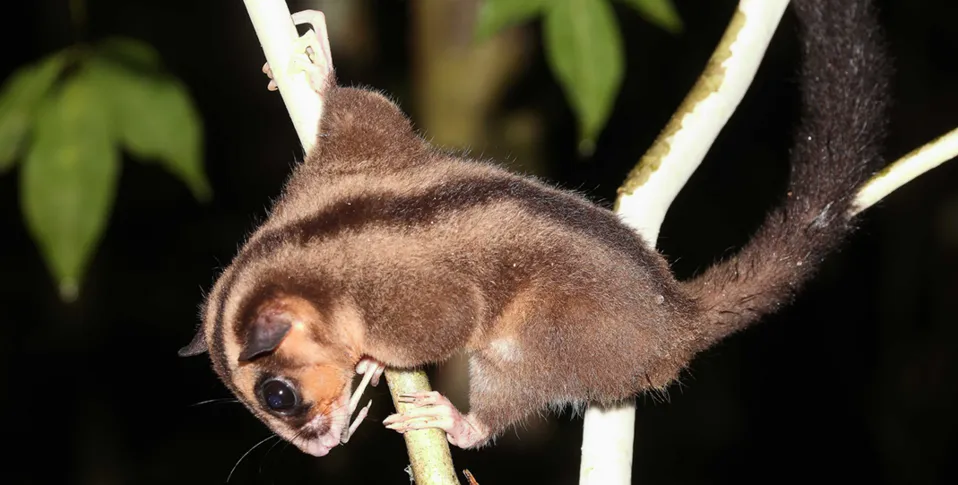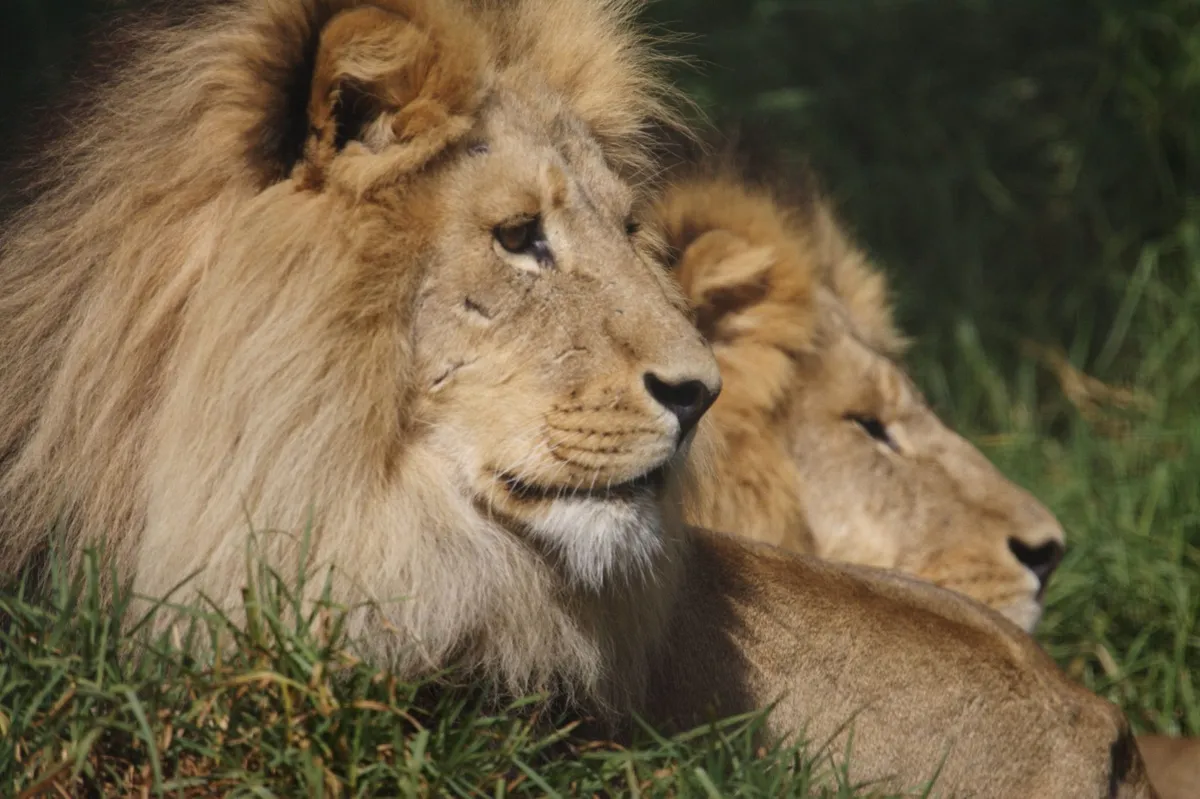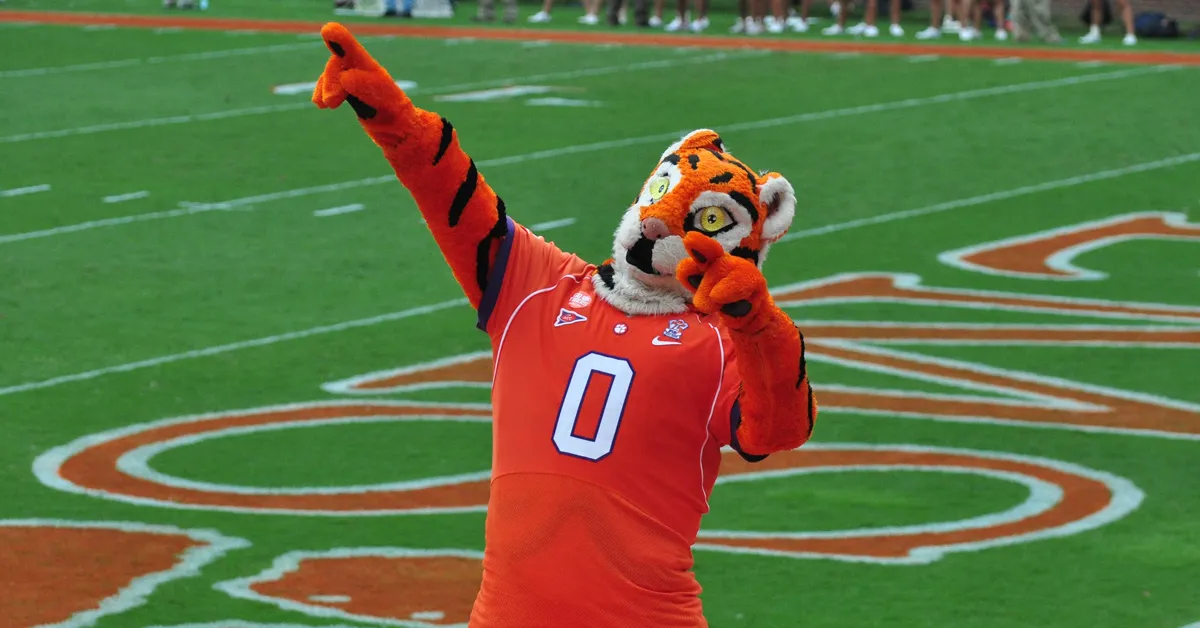
Lions, tigers, and bears are popular sports mascots. They are also iconic wild animals.
A new study in BioScience found that 727 professional sports teams use wild animals in their branding. These teams are across 50 countries and 10 sports. The most common mascots are lions, tigers, grey wolves, leopards, and brown bears. All these species are threatened in the wild.
Turning Mascots into Conservation Champions
Ugo Arbieu, a researcher at Paris-Saclay University, led the study. His team found 161 different animal types used as mascots. These included mammals, birds, insects, and sharks. Teams chose threatened species more often than other animals or symbols.
We're a new kind of news feed.
Regular news is designed to drain you. We're a non-profit built to restore you. Every story we publish is scored for impact, progress, and hope.
Start Your News DetoxSports clubs have over a billion social media followers combined. The study authors believe this is a huge chance to turn fan loyalty into conservation action.
Arbieu told Mongabay that animal images are everywhere in sports. He noted the potential to educate people about biodiversity. He also sees a new way to engage people with nature.
The idea came to Arbieu while playing a football video game. He noticed the contrast between animal mascots and declining wild populations. This led to years of research and a new project called The Wild League.
The Wild League and Tigers United
The Wild League aims to unite sports clubs, sponsors, and fans for conservation. The idea is simple: teams that use wildlife imagery should help protect those species. Arbieu hopes clubs will compete in conservation efforts, not just on the field.
He believes if each club gave just 0.01% of their home game earnings, it would greatly help conservation. The Wild League is currently in a pilot phase. Arbieu is working to convince clubs that joining benefits their brand and conservation.
The Wild League’s interactive map showing sports clubs and teams with mascots linked to animals.
Clemson University in South Carolina offers a working example. Their Tigers United program uses the school's tiger mascot to fund tiger conservation.
Tigers United is a group of universities with tiger mascots. They all commit to tiger conservation. The program started after Clemson and Auburn representatives visited New Delhi in 2017. They met with conservation leaders and the Global Tiger Forum.
Greg Yarrow, director of Tigers United, said they use athletics as a "megaphone for conservation." He highlighted the large audience. If 90,000 football fans each gave $1, it would be a significant amount for tiger conservation.
Hrishita Negi, associate director of Tigers United, grew up near a tiger reserve in India. Her passion for tigers led her to the program. Tigers United has bought AI-powered camera traps. These traps identify tigers and alert wildlife managers quickly. This helps prevent conflicts between humans and wildlife.
The program also runs education projects. These connect rural schools in India with schools in South Carolina.
Hrishita Negi, associate director of Tigers United, which leverages the Clemson University tiger mascot and other tiger mascots for tiger conservation. Photo courtesy of Tigers United.
Negi noted the program's unique strength. It combines a beloved mascot with partnerships with conservation groups. She believes traditional conservation struggles to get public support. Organized sports can be a new way to create conservation impact.
The study authors say sports and conservation links are still rare. The Wild League aims to create a framework for any team to join. Arbieu believes fans' identity is tied to their team's symbols, including mascots. These symbols can be a rallying point for conservation.
Deep Dive & References
The Wild League aims to turn sports mascots into conservation champions - BioScience, 2024