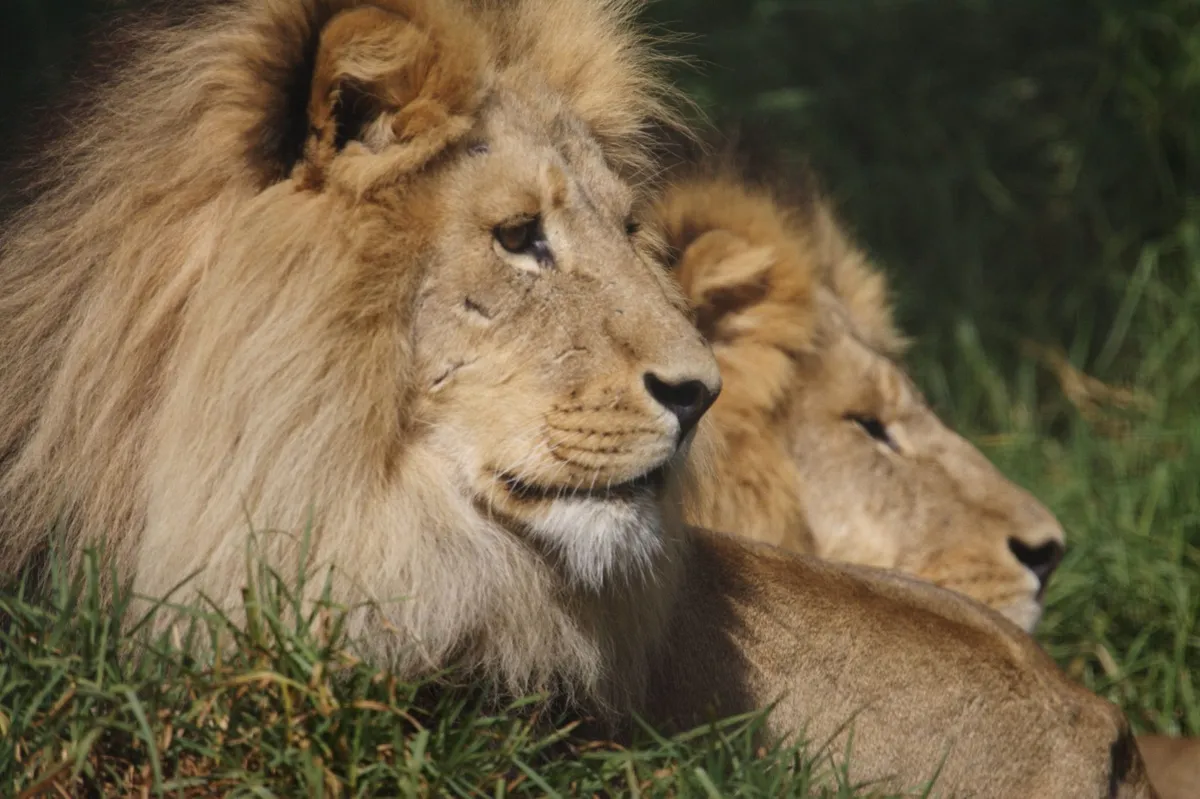
Imagine a crime scene where the victim's own DNA points straight to the bad guys. That's exactly what happened in Zimbabwe, leading to a landmark conviction that could change how we fight wildlife crime.
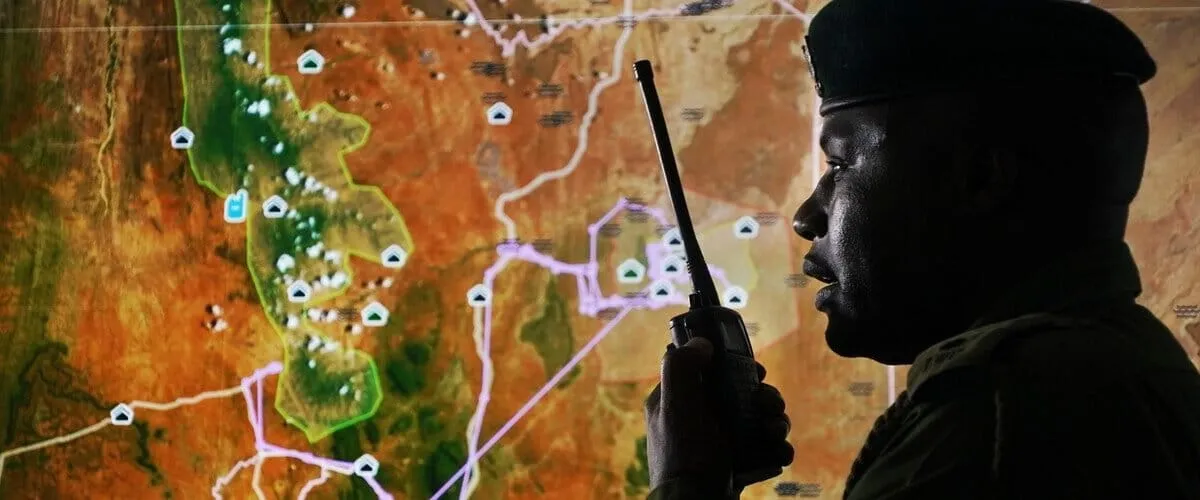
Conservationists had collared a male lion near Hwange National Park. They took blood samples, logged his health, and saved his DNA. They had no idea this genetic blueprint would later become key evidence against his killers.
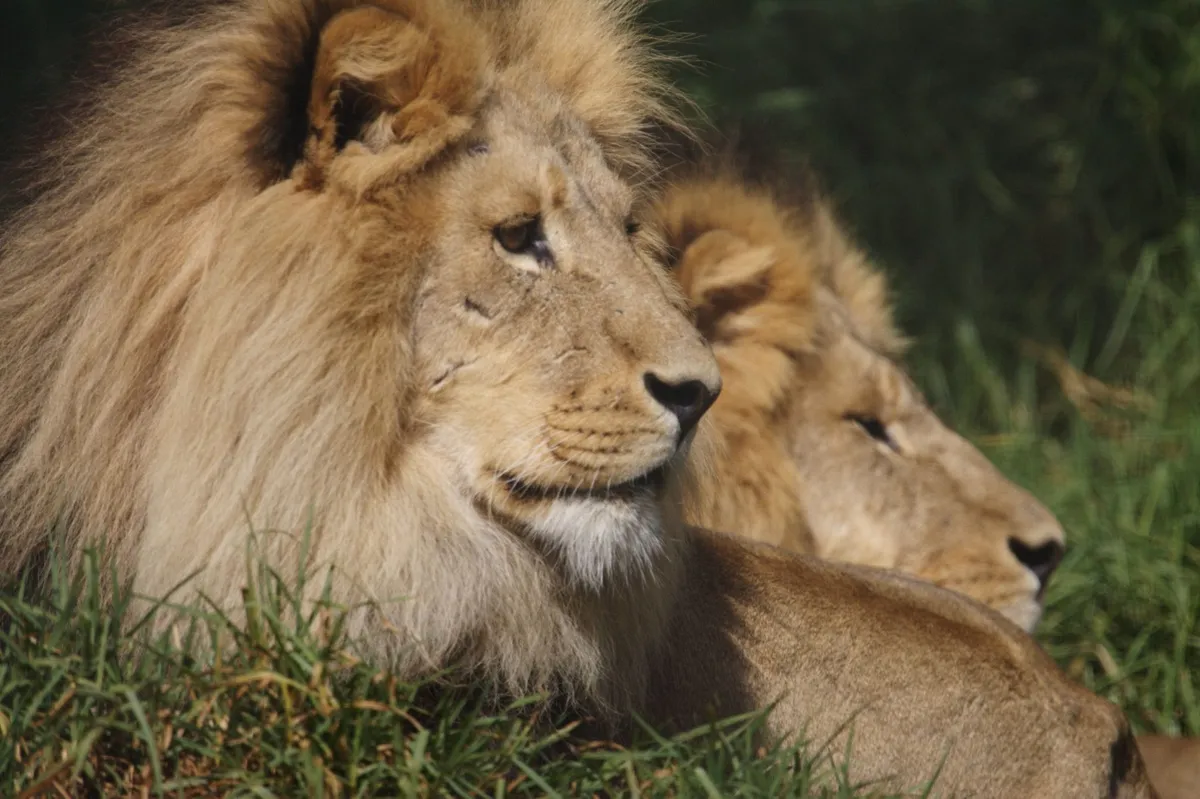
This past February, two people were sentenced to two years in prison for poaching and trafficking that very lion. Authorities found bags of meat, claws, and teeth meant for the black market. Scientists from the Victoria Falls Wildlife Trust, with help from UK groups TRAFFIC and TRACE, built a full DNA profile from these parts. They matched it to the collared lion's stored genetic material. This is huge: it's the first time a lion's own DNA has been used to catch and prosecute wildlife criminals.
We're a new kind of news feed.
Regular news is designed to drain you. We're a non-profit built to restore you. Every story we publish is scored for impact, progress, and hope.
Start Your News DetoxHow DNA Cracked the Case

Here's the thing most people miss: in Zimbabwe, it's legal to trade lion parts if they come from captive-bred animals and you have the right permits. This makes it tough for prosecutors. They have to prove seized parts came from a wild lion, not a legally traded one. This proof can make or break a case.
The poachers in this case had no permits. But without DNA evidence directly linking the parts to a specific wild animal, that alone might not have been enough. The match to the collared lion's DNA profile solved the problem. "This breakthrough is more than a scientific win," the Victoria Falls Wildlife Trust said. "It shows our commitment to protect nature for future generations."
The Rise of Wildlife Forensics

DNA fingerprinting has been a game-changer in human crime investigations since 1985. Now, it's getting seriously clever for wildlife. While it's been used in wildlife trafficking for decades, recent tech improvements mean researchers can trace samples not just to a species, but to a specific animal. That's pretty nuts.
Sheldon Jordan, who worked with Canada’s wildlife enforcement agency, says DNA has completely changed how evidence is presented in court. This conviction shows what's possible when forensic tools are ready before a crime happens. More wildlife DNA databases are quietly growing across Africa and other places. This extends this power to more species and regions.

Why This Matters for Lions
African lions are the most trafficked wild cats globally. Their parts are used in traditional medicine and rituals. As pressure grew on tiger populations, demand for lion parts increased.

Today, fewer than 25,000 wild lions live in Africa. A century ago, there were about 200,000. Poaching is a huge threat. When a male leader of a pride is killed, the new male often kills the former leader's cubs, further damaging the pride.
This conviction sets a new standard. Markus Burgener, a wildlife trade expert, called it an "important precedent." It changes the risk for poachers, especially as these DNA databases grow across southern Africa. A second lion poaching case using DNA is now in court in South Africa. Everyone is watching to see if that also leads to a conviction.