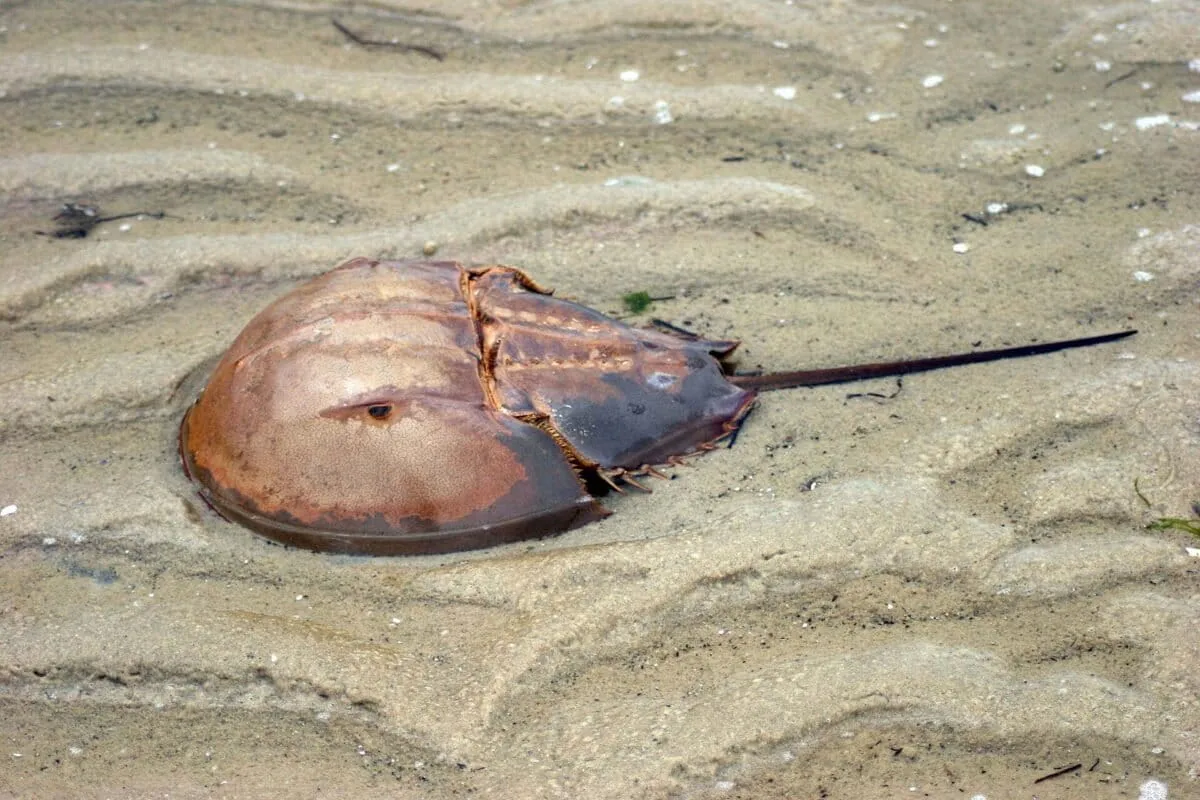
Horseshoe crabs have lived in Earth's oceans for hundreds of millions of years. However, their populations are now shrinking. One major reason is that they are harvested for their blood, which is used in medicines.
Now, two big pharmaceutical companies, Amgen Inc. and Abbott Laboratories, have announced a change. They will start using synthetic blood instead of horseshoe crab blood for testing.
Why Horseshoe Crab Blood Matters
Horseshoe crab blood contains a special enzyme called limulus amebocyte lysate (LAL). This enzyme helps find harmful bacteria in vaccines and other injectable drugs. To keep these drugs safe, thousands of horseshoe crabs are caught each year for their blood.
We're a new kind of news feed.
Regular news is designed to drain you. We're a non-profit built to restore you. Every story we publish is scored for impact, progress, and hope.
Start Your News DetoxAfter their blood is drawn, the animals are returned to the sea. But many do not survive this process. Loss of coastal homes for these crabs also hurts their numbers.
A Shift Towards Synthetic Alternatives
Synthetic versions of LAL were created in 2016. However, drug companies did not widely use them until recently. In February 2026, Amgen and Abbott Laboratories announced their move away from using horseshoe crab blood.
Kendyl Van Dyck, from the nonprofit As You Sow, explained why the industry was slow to change. She said drug testing is highly regulated. Companies often stick to old methods, even when new options are available.
Van Dyck noted that neither company has set a firm date to completely stop using horseshoe crab blood. There is also no independent group checking their progress.
Hope for Conservation
Despite these points, conservationists are happy about the news. Atlantic horseshoe crabs (Limulus polyphemus) are the main species targeted for their blood. These crabs lay many eggs, which are a vital food source for migrating shorebirds along the Atlantic coast.
David Mizrahi, from Audubon, spoke about the benefits. He said switching to synthetic blood will save thousands of horseshoe crabs each year. This will protect shorebirds and coastal areas. It will also make the supply chain more stable and keep patients safe. He called it a strong and responsible step forward.