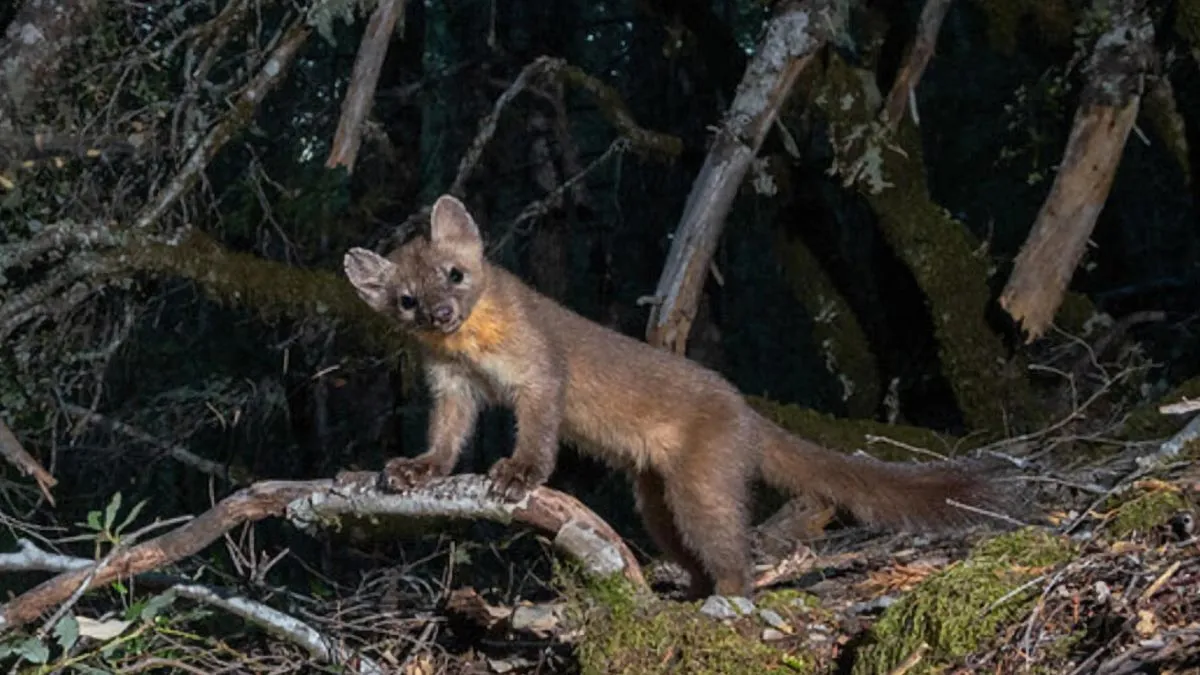
Get this: a tiny, adorable creature called the coastal marten, once thought to be extinct, is actually hanging on in northern California. Researchers just found 46 of them, and they're learning how these little guys manage to survive.
These martens, part of the weasel family and about the size of a ferret, nearly vanished in the 20th century because of trapping and logging. For a while, scientists figured they were gone for good. But then, in 1996, a U.S. Forest Service biologist spotted a small group.
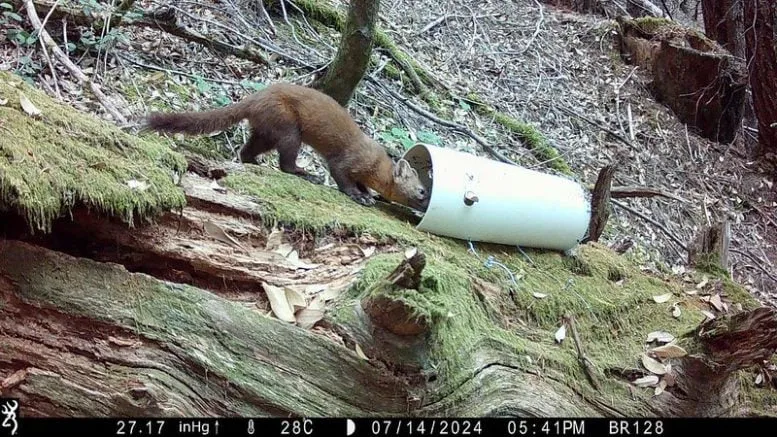
Fast forward to 2022, a team from Oregon State University got clever. Instead of trying to catch these super shy animals, they used hair snares and remote cameras across 150 square miles. This let them snap photos and snag hair samples without disturbing the martens.
We're a new kind of news feed.
Regular news is designed to drain you. We're a non-profit built to restore you. Every story we publish is scored for impact, progress, and hope.
Start Your News DetoxThe genetic tests revealed 46 individual martens: 28 males and 18 females. They were mostly chilling in two specific spots: high, forested ridgetops with consistent winter snow, and lower ravines in coastal forests. That's a pretty specific taste in real estate!
This discovery is huge because these martens are still in trouble. They're listed as threatened, facing threats like rodent poison, car accidents, disease, and losing their forest homes. Sean Matthews, an OSU ecologist, noted that they especially love old-growth forests, which are increasingly at risk from wildfires fueled by climate change.
Erika Anderson, who led the study, explained that martens thrive in dense forests with lots of big trees, snags, and hollow logs. This messy, complex structure helps them hunt and hide. Even after 30 years of trying to help them, we're still figuring out exactly where they live and what they need.
This research, done with partners like Cal Poly Humboldt and the Yurok and Karuk Tribes (on whose ancestral lands the fieldwork took place), gives us a real shot at keeping these "adorable" creatures around. It's a reminder that even when we think something's gone, nature can surprise us.