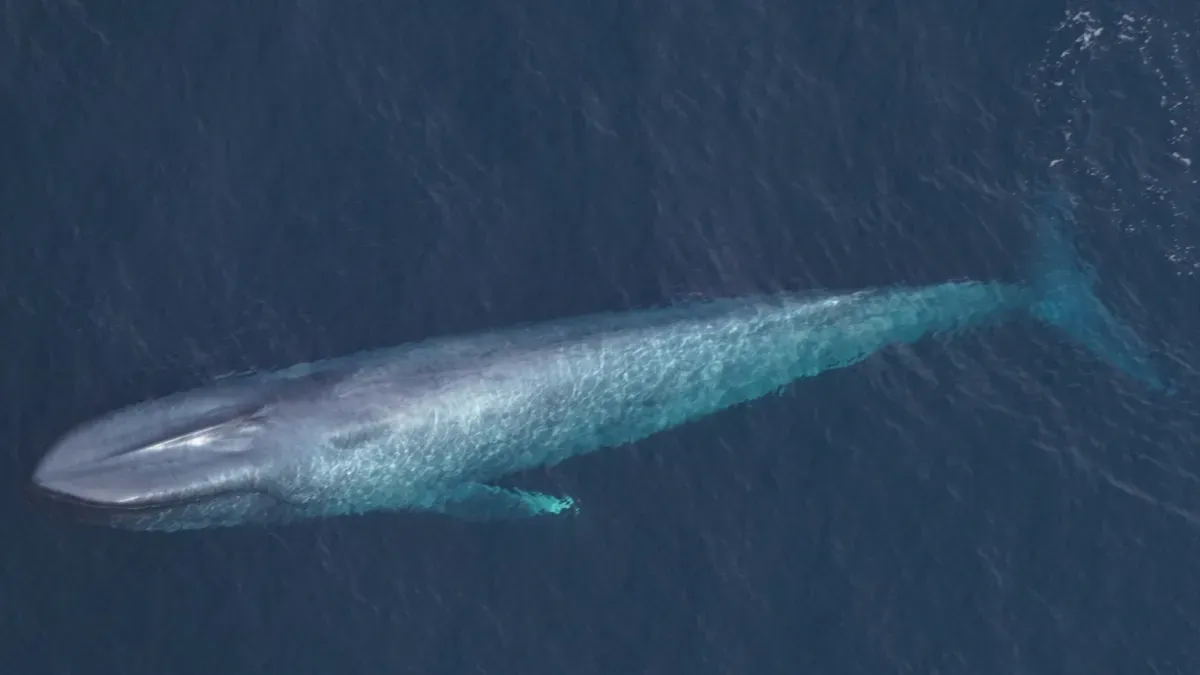
The New England Aquarium's aerial survey team recently spotted blue whales off the coast of Massachusetts. This rare event included two sightings within 24 hours.
Rare Sightings in New England Waters
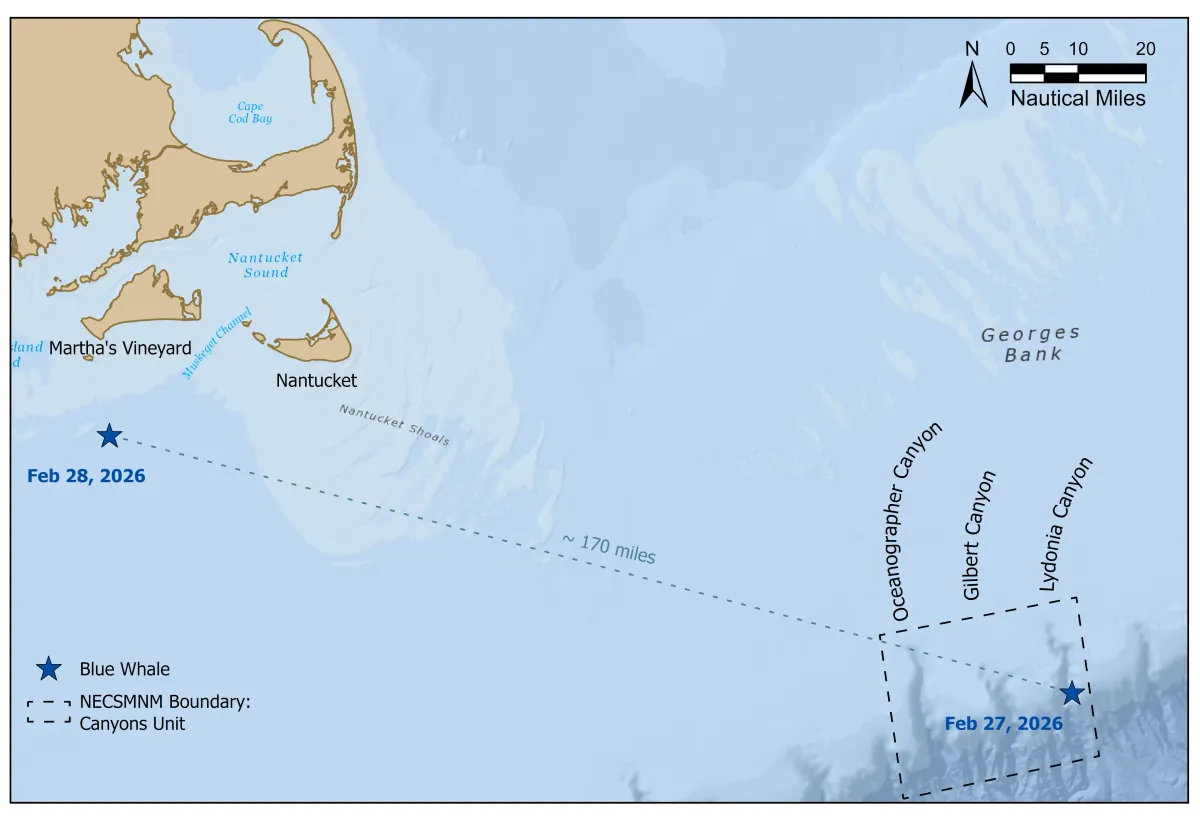
On February 27, scientists from the Aquarium’s Anderson Cabot Center for Ocean Life saw a blue whale (Balaenoptera musculus). It was swimming in the Northeast Canyons and Seamounts Marine National Monument, a protected area near Nantucket. The next day, the team spotted two more blue whales. These whales were seen about 15 miles south of Martha’s Vineyard.
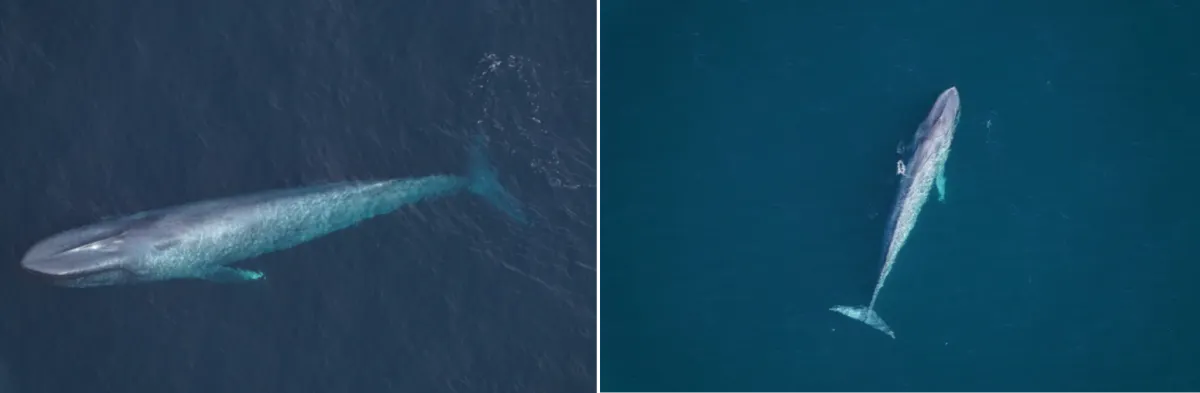
Katherine McKenna, an Associate Research Scientist at the New England Aquarium, noted that seeing blue whales outside their usual Canadian feeding grounds in the Atlantic is uncommon. Finding them in two different areas so close together was a first for the team.
We're a new kind of news feed.
Regular news is designed to drain you. We're a non-profit built to restore you. Every story we publish is scored for impact, progress, and hope.
Start Your News DetoxUnderstanding Blue Whales
Blue whales are the largest animals on Earth. They live in every major ocean except the Arctic. Commercial whaling severely reduced their numbers, and they are currently listed as endangered.
Researchers know little about the Western North Atlantic blue whale population. They estimate there are only about 400 to 600 of these whales. Globally, however, blue whale numbers are increasing.
McKenna, who participated in both surveys, explained that aerial surveys are vital for studying animals that travel long distances, like whales, sea turtles, and sharks. These surveys help scientists estimate how many animals there are, where and when they appear, and how healthy individual animals are.

Conservation Efforts and Challenges
These blue whale sightings happened after recent discussions about commercial fishing in the Northeast Canyons and Seamounts Marine National Monument. Last month, the Trump Administration lifted the ban on commercial fishing in this area.
Jessica Redfern, Associate Vice President of Ocean Conservation Science at the Anderson Cabot Center for Ocean Life, stated that this Monument supports many amazing species. She noted that removing protections for the Monument puts these species at risk.