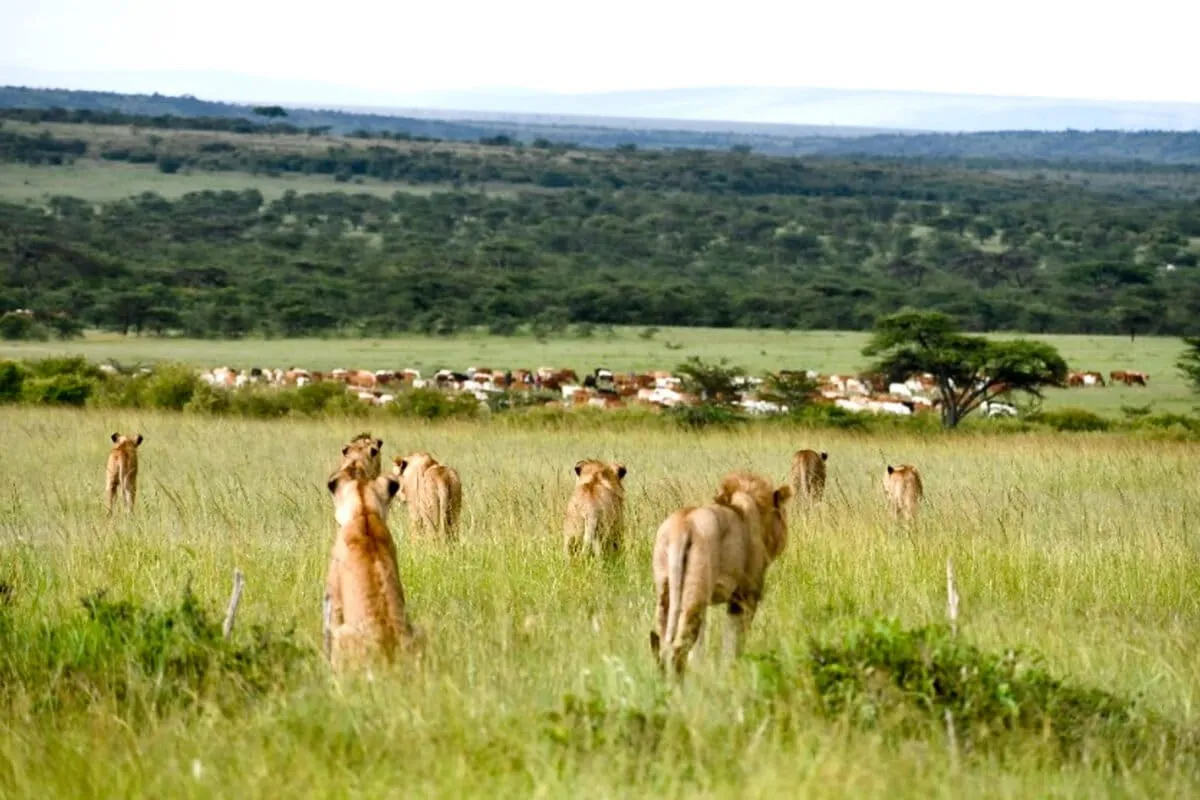
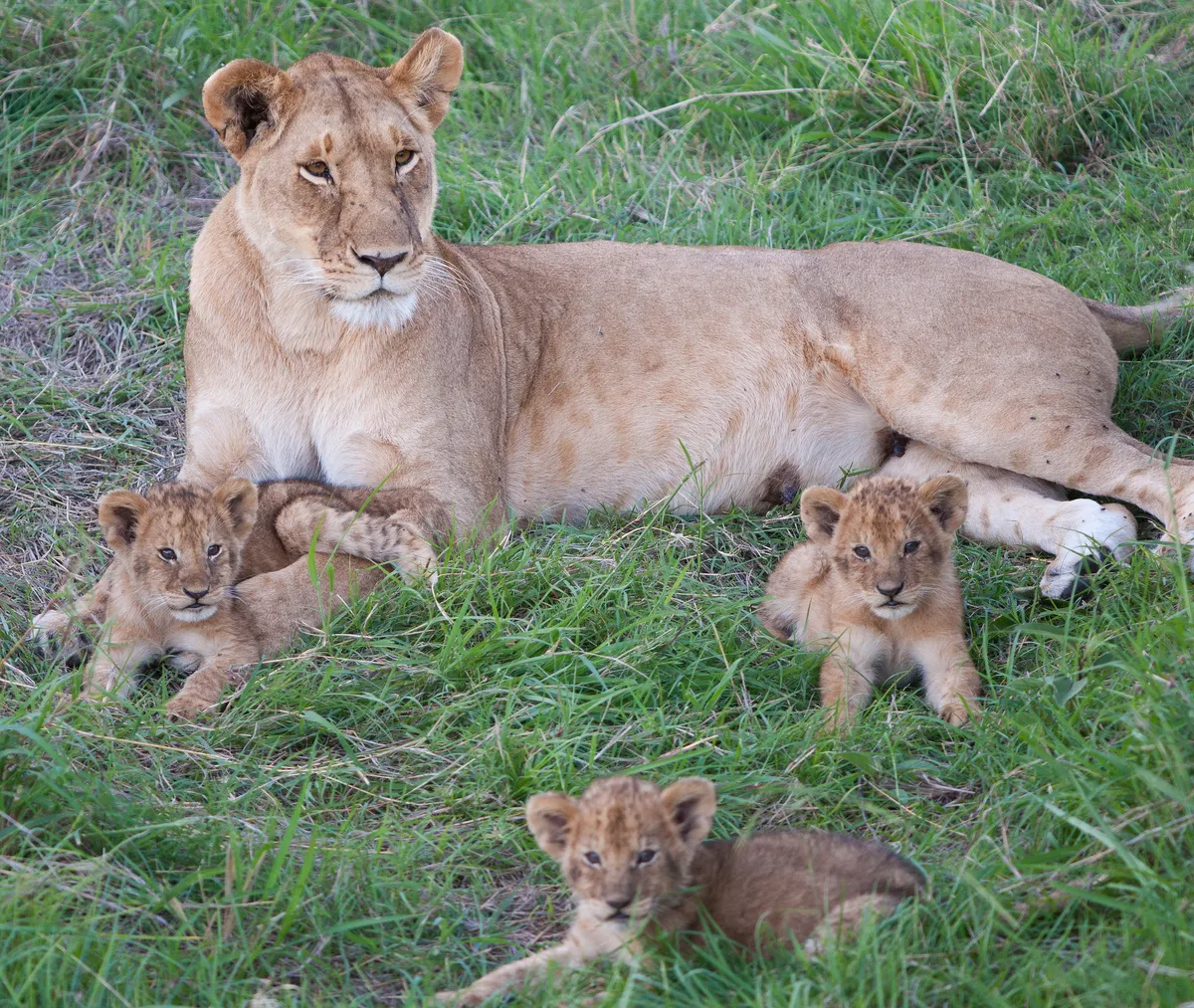
Lions, known as Africa's top predators, are showing fear of domestic livestock in Kenya. Most wildlife in Kenya lives outside protected areas. This means lions, zebras, and elephants often share land with pastoralist communities.
For herders, this shared space can be difficult. Predators sometimes attack livestock, and cattle compete with wild animals for grass. However, it also brings benefits. Many community-owned conservancies lease land to tourism operators, which creates income for their members.
Lions Avoid Grazed Areas
In most conservancies, herders can use all the land for grazing. The idea is that when livestock move on, wild animals and their predators will use the empty space. Niels Mogensen, a biologist with the Mara Predator Conservation Program, found this might not be true.
We're a new kind of news feed.
Regular news is designed to drain you. We're a non-profit built to restore you. Every story we publish is scored for impact, progress, and hope.
Start Your News DetoxBetween 2015 and 2023, Mogensen and his team studied seven conservancies in the Mara ecosystem. They traveled nearly 69,000 kilometers, collecting data on lions, wild herbivores, and domestic livestock.
They expected lions to avoid herders. But they also discovered that lions avoided areas where cattle had grazed, even after the cattle were gone. Mogensen noted that lions continued to avoid areas with a history of high cattle use.
Balancing Conservation and Livelihoods
Mogensen's team did not directly study how grazing management affected lion sightings. However, he pointed out that limiting grazing access would be a sensitive issue. Livestock are vital to Maasai culture and livelihoods. Restrictions could make people feel their security is threatened or that wildlife is more important than their needs.
Mogensen suggests working together instead of enforcing rules from the top down. This could include setting aside specific areas for wildlife while still allowing grazing elsewhere. Seasonal restrictions, rather than permanent ones, could also help. Transparent sharing of benefits is also important so landowners see how conservation helps them financially.
Peter Kilani, a herder on the Mosiro Conservancy, said few Maasai conservancies reserve land only for wildlife. He mentioned Maasai Mara and Imbikirani as examples where communities offer land for wildlife and get paid. He calls this "big business."
Kilani said managing access to all available rangeland is more common. He noted his community in Mosiro has done this for a long time.
However, conditions are changing. Aerial surveys show that large wild herbivores (excluding elephants) have dropped by 70% since the late 1970s. Cattle numbers have also fallen by 13%, but sheep and goats have increased by 269%.
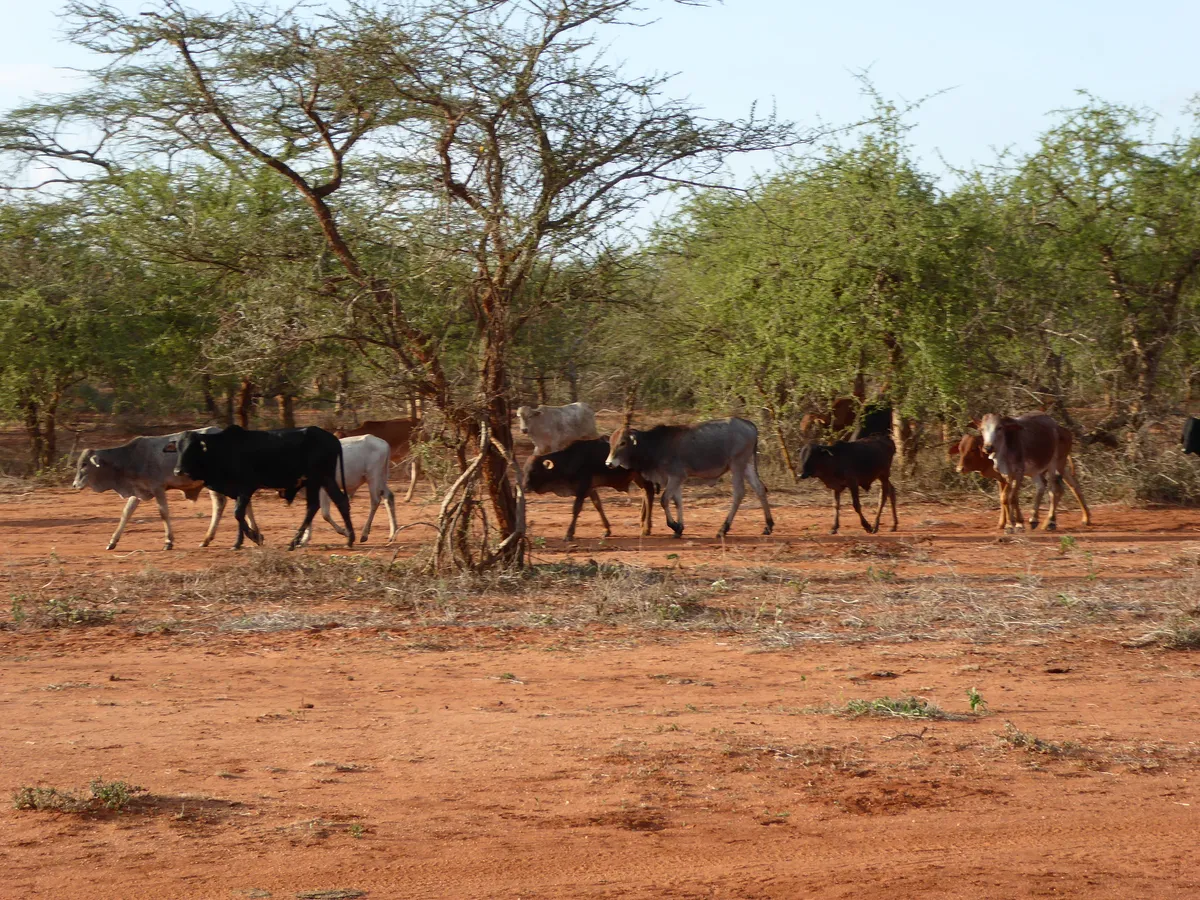
Daniel Sopia, head of the Mara Wildlife Conservancy Association, said rotational grazing systems are common. He believes wild herbivores follow cattle, seeking safety from predators in the shorter grass. Sopia also said herders in his association's conservancies see lions following antelope even after cattle have grazed an area.
He noted that conservancies have not complained about a lack of lions due to grazing. He added that if cattle numbers are too high and don't rotate often, it might cause herbivores to move due to food shortages. This could make lions follow their prey or start hunting cattle.
Nakedi Maputla, a senior conservation scientist at the Africa Wildlife Foundation, stressed that managing grazing access is a sensitive issue. He said it has human rights implications and needs careful thought. He warned it could lead to resentment from landowners if they are not part of the decision-making process.
Mogensen's study provides important information for future decisions about managing these rangelands. He concluded that conservancies are complex areas with overlapping land uses, conservation goals, and social needs. This creates challenges for protecting large carnivores and managing interactions between humans and wildlife.
Deep Dive & References
Human-driven landscapes of fear for Africa’s largest terrestrial predator in human-used conservation landscapes - Biological Conservation, 2026