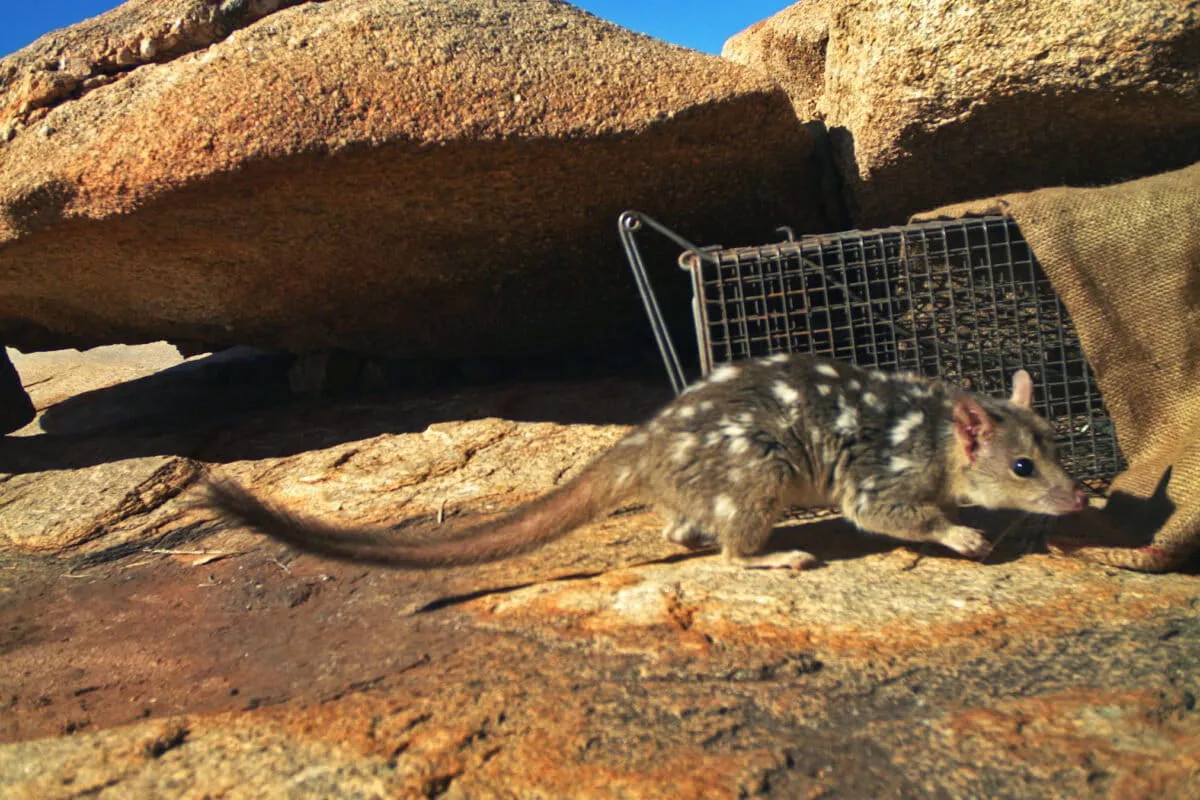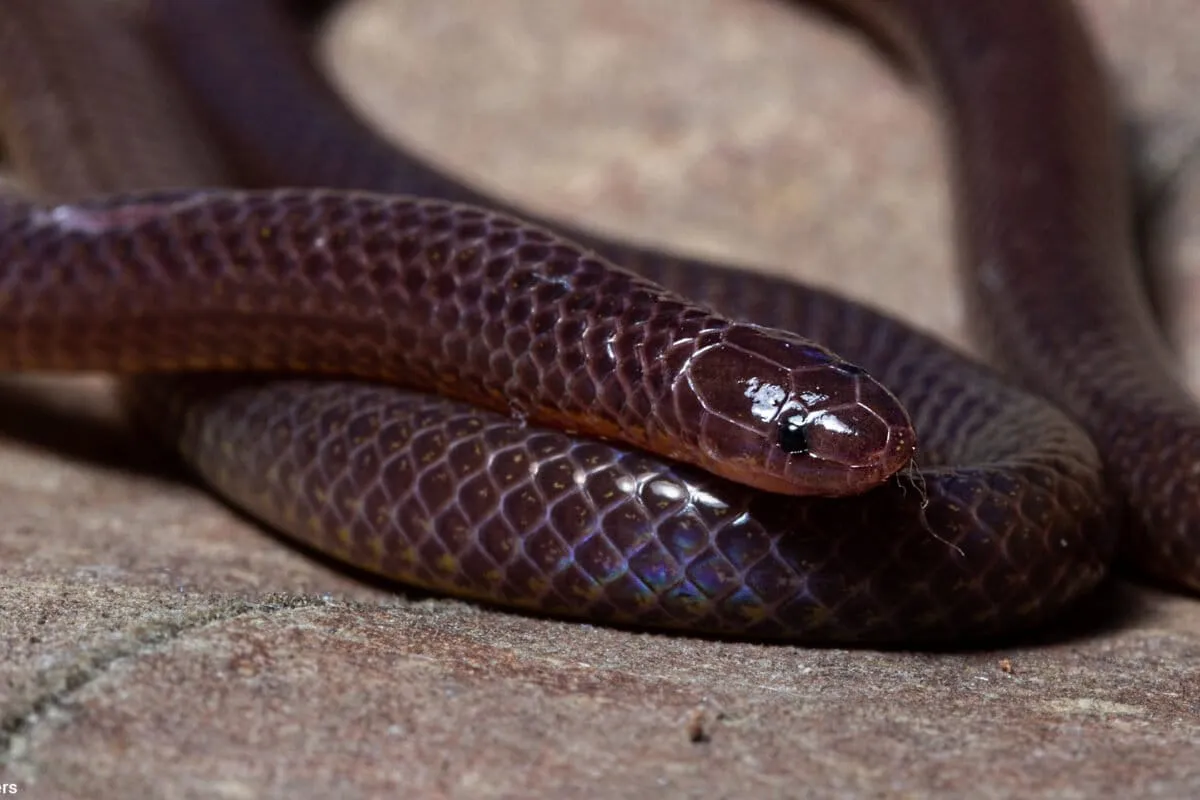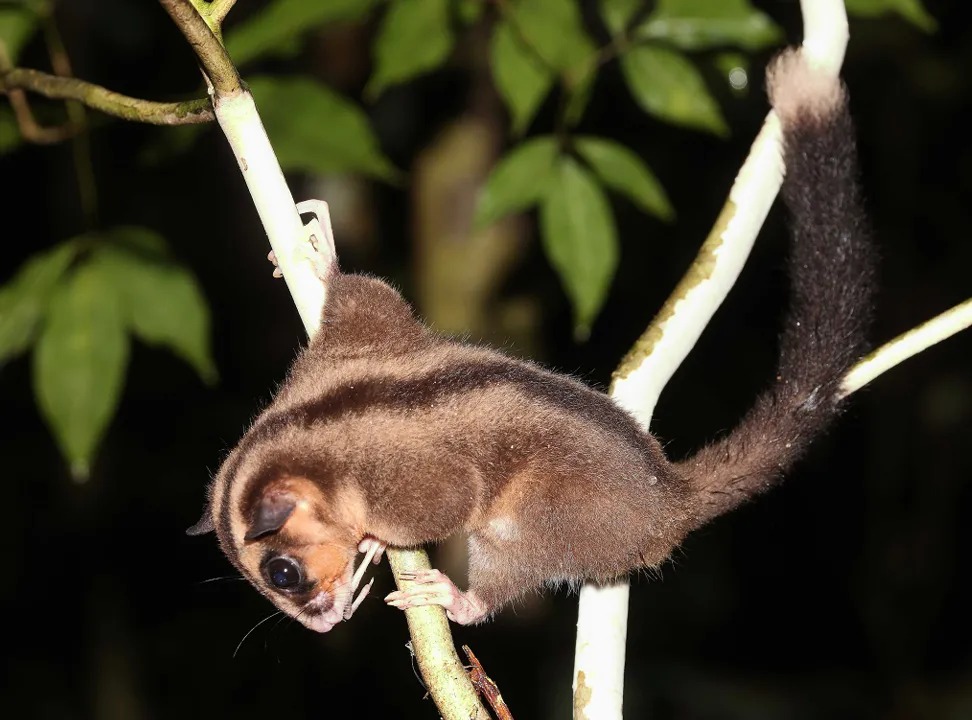
For every vertebrate species we've officially named, there are on average two more hiding in plain sight — genetically distinct but physically identical. A new analysis of over 300 studies suggests global vertebrate biodiversity has been dramatically underestimated, and it's starting to reshape how we think about extinction risk.
"Each species that you and I can see and recognize as distinct may actually be hiding two different species, on average," says John Wiens, a professor of ecology and evolutionary biology at the University of Arizona. "This means that across vertebrates, there may be twice as many species as we previously thought, and many of these hidden species could already be at risk of extinction."
These "cryptic species" are the evolutionary equivalent of identical twins who've lived separate lives. They look virtually identical to the naked eye — same color patterns, same body shape — but their DNA reveals they've been evolving independently for over a million years. Advances in DNA sequencing have made it cheap and fast enough to spot these differences, and researchers keep finding them at an accelerating pace.
We're a new kind of news feed.
Regular news is designed to drain you. We're a non-profit built to restore you. Every story we publish is scored for impact, progress, and hope.
Start Your News DetoxThe Arizona Kingsnake Moment
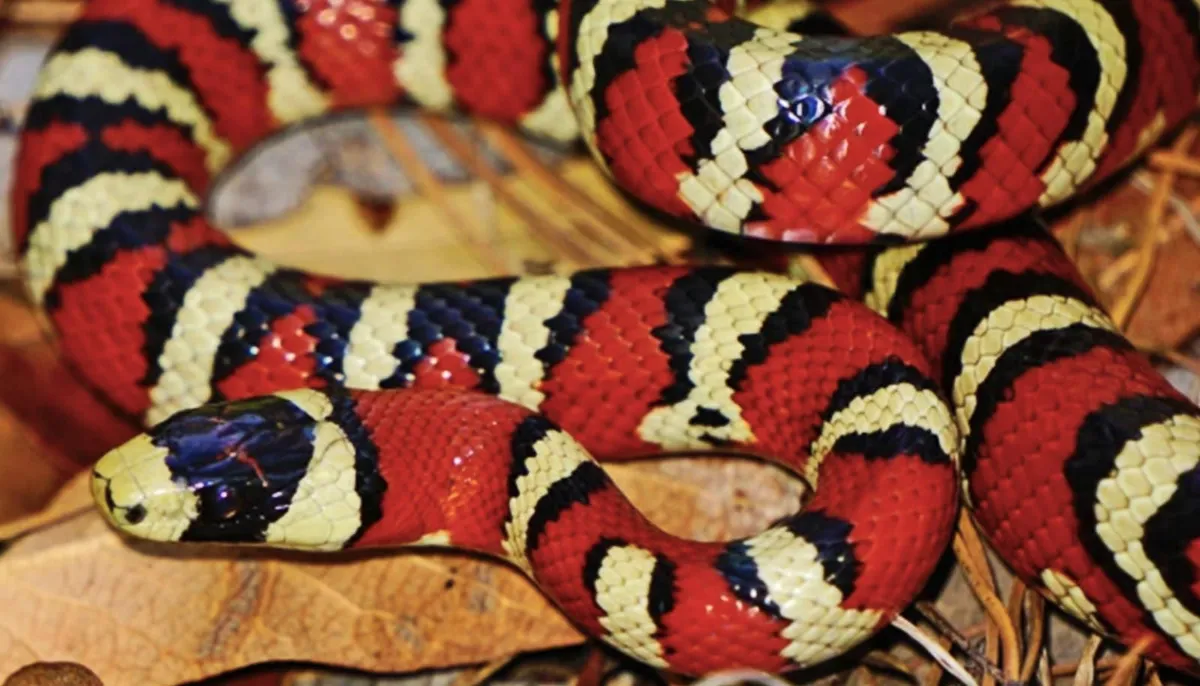
Take the Arizona mountain kingsnake. For years, scientists thought all the red-and-yellow striped snakes across Arizona were one species. Then in 2011, genetic testing revealed a plot twist: the northern and southern populations were actually distinct species that just happened to look identical. The southern snakes got reclassified as Lampropeltis knoblochi, separate from their northern cousins.
"If you compare those two mountain kingsnakes, they all look pretty much the same with their red, black and yellow-white stripes," says Yinpeng Zhang, the graduate student who led the research. "But the molecular data show that there are distinct but cryptic northern and southern species."
Zhang started this project three years ago after noticing a pattern: cryptic species discoveries were piling up in the literature, but no one had ever quantified how widespread the phenomenon actually was. He and Wiens synthesized results from hundreds of taxonomy papers across fish, birds, mammals, reptiles, and amphibians. The consistency was striking — across every vertebrate group, the ratio held: roughly two hidden species for every recognized one.
Why This Actually Matters for Survival
Here's where it gets serious: when a species you thought was widespread gets split into multiple cryptic species, each new species suddenly has a much smaller geographic range. And smaller ranges mean higher extinction risk. "People have generally found that the smaller a species' range size is, the more likely that species is to go extinct," Wiens explains.
But there's a bigger problem. Hundreds of cryptic species have been discovered through molecular studies, yet very few have been formally named and legally recognized. That means no official protection. In some cases, conservation managers trying to save endangered populations might accidentally breed members of different species together, unintentionally sabotaging their own efforts.
"If we don't know a species exists, then we can't protect it," Wiens says. The implication is sobering: we may be losing species we don't even know we have.
The research was published in Proceedings B by the Royal Society, and it's already forcing conservation teams to rethink their strategies. The next step is clear but daunting — formally naming and cataloging these hidden species before it's too late.