In the older quarters of Singapore, fragments of forest still exist—quiet pockets where creatures live that most residents never encounter. Some of these species haven't been seen in over a hundred years. The disappearance doesn't usually announce itself. It happens slowly, across decades of shrinking habitat and broken breeding cycles, until absence feels normal. A snake missing since 1904 leaves no record in the soil, only a line in an archive.
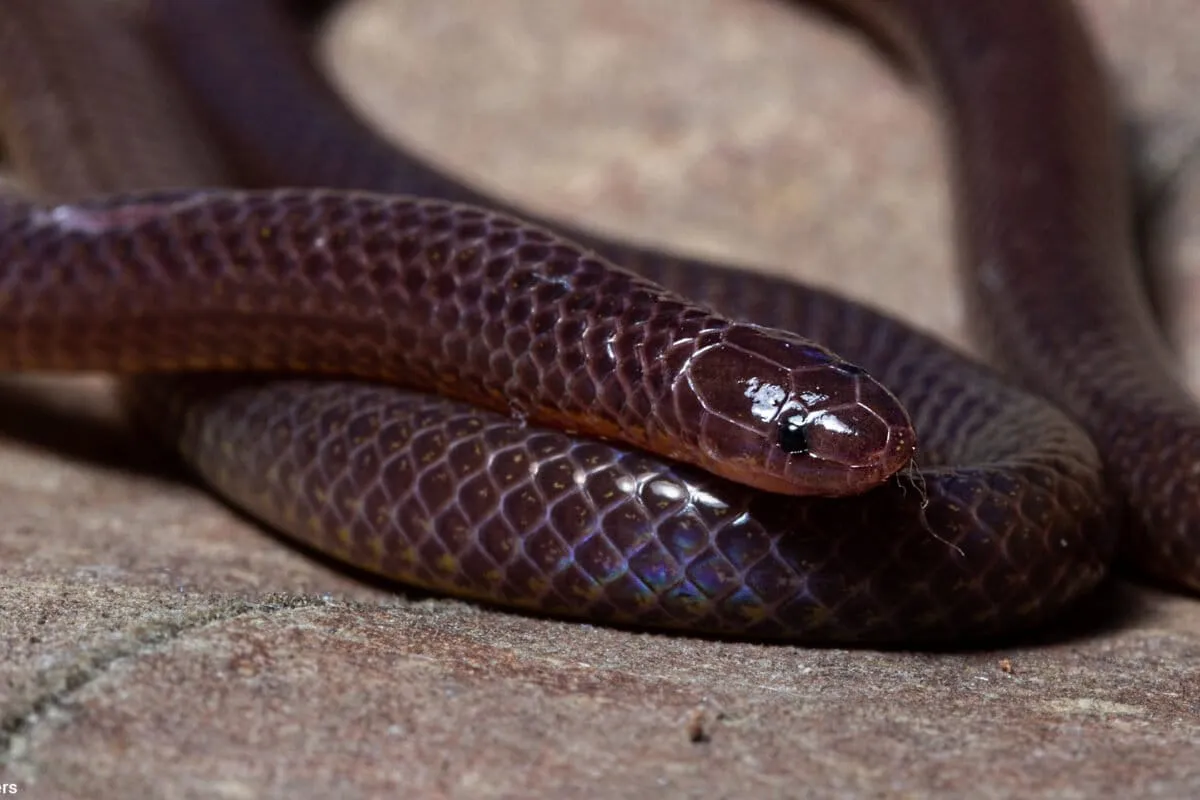
But something unexpected happened in 2020: Raclitia indica, a legless lizard, turned up alive in Singapore after 106 years of vanishing. It was a small moment that hinted at something larger—that loss on an island isn't always permanent.
How Singapore Lost Its Reptiles
Since the 1800s, Singapore has transformed almost entirely. Primary forests gave way to plantations, factories, and apartment blocks. Today, only tiny fragments of original forest remain, hemmed in by a landscape built entirely for humans. The cost has been steep. Roughly one-third of local wildlife species have disappeared over two centuries.
We're a new kind of news feed.
Regular news is designed to drain you. We're a non-profit built to restore you. Every story we publish is scored for impact, progress, and hope.
Start Your News DetoxBut snakes and lizards—the scientific group called squamates—reveal a more nuanced pattern. Researchers recently mapped out when these losses happened using historical records and statistical modeling. Two waves of decline stand out. The first hit in the early 1900s, when primary forest nearly vanished. The second came late in the 20th century, as the remaining secondary forests surrendered to rapid urban sprawl.
Species that needed pristine primary forest got hit hardest. The ones that could tolerate messy, broken habitats? They hung on.
Why This Matters Now
That distinction is everything. It means Singapore's remaining forest fragments—however small—aren't useless. They're refuges. And if the right species are still there, hidden in the undergrowth, rewilding becomes possible.
The rediscovery of Raclitia indica proves the principle. The species survived somewhere in Singapore's margins, undetected for over a century. It didn't need pristine wilderness to persist. It needed just enough forest to stay alive.
For a densely packed island nation, that's genuinely hopeful. Singapore can't rewild by returning to wilderness—there's nowhere for that to happen. But it can create conditions where species that survived in fragments can spread again. Connecting forest patches. Protecting remaining habitat. Letting the creatures already here reclaim ground.
The real work now is figuring out which other lost species might still exist somewhere in Singapore's hidden corners, waiting to be found.