For centuries, Príncipe, a small West African island, saw its nature exploited. People were brought there in chains to work. Today, the descendants of those laborers are paid to protect the island's environment.
The Faya Foundation started a unique conservation project. It pays a quarterly dividend directly to islanders who follow an environmental protection code. South African tech billionaire Mark Shuttleworth funds the foundation.
Nearly 3,000 people, over 60% of Príncipe’s adult population, have joined. The first payment of about $890 has already been made. For 43-year-old agricultural worker Kimilson Lima, this money means he can now afford a proper floor and an inside toilet for his home.
We're a new kind of news feed.
Regular news is designed to drain you. We're a non-profit built to restore you. Every story we publish is scored for impact, progress, and hope.
Start Your News DetoxAn Island Shaped by Extraction
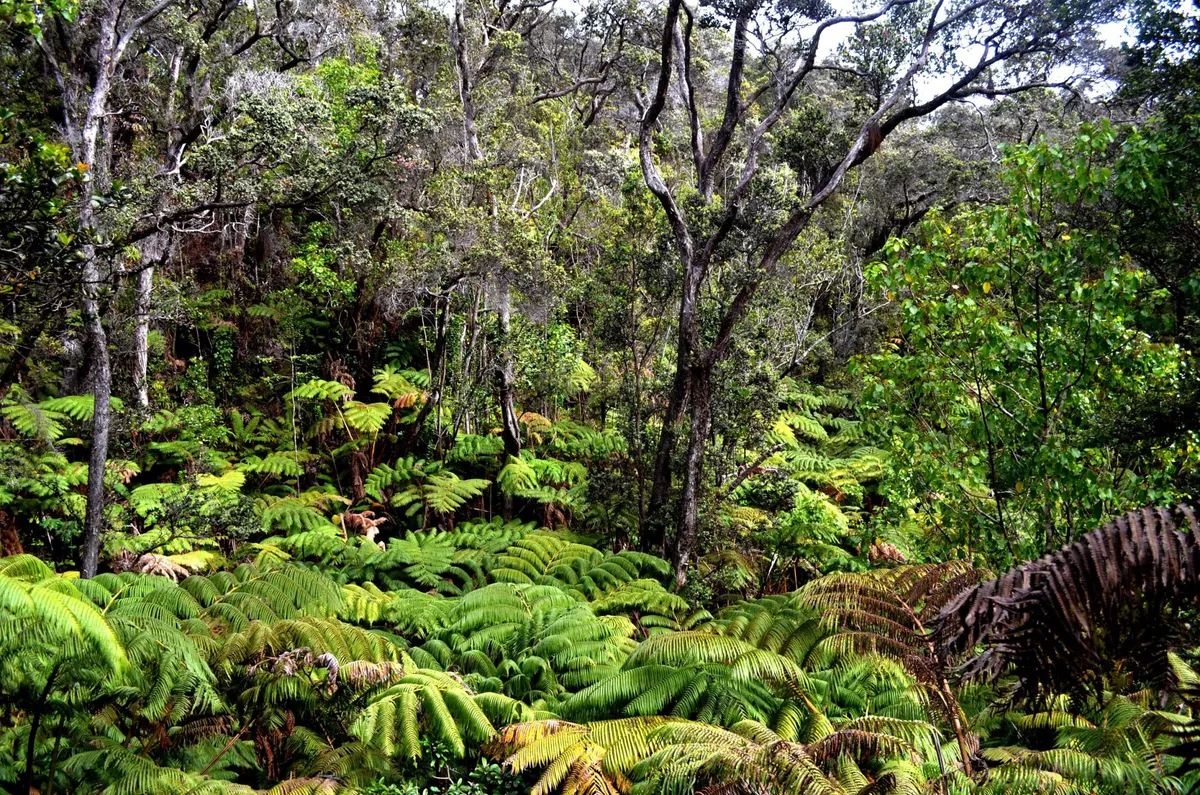
Príncipe is known as the "African Galapagos." It is over 160 miles from the African mainland. This isolation allowed unique rainforests to develop. Giant land snails and crabs were once top predators there. New species are still being found, like a previously unknown owl.
This rich biodiversity has always been delicate. Portuguese colonizers built a cacao plantation economy. After independence in 1975, the industry collapsed. Communities, descended from Angolan and Cabo Verdean laborers, had to rely on what they could grow or find. This often meant moving deeper into the forest and cutting trees. Survival and conservation were in conflict.
Turning Stewardship into Income
Mark Shuttleworth first visited Príncipe in 2010. He saw a different way forward. He noted that the usual path for development would be to cut down forests for crops. Instead, he wanted to reward islanders for protecting their environment. Shuttleworth has committed about $110 million to the project.
The Faya project makes this stewardship real. Dividends are reduced if unauthorized tree-felling occurs. The foundation also improves schools and helps reorganize the island's cacao trade. It offers financial literacy support, as many residents have never had a bank account. Project CEO Jorge Alcobia explained that this is not "free money."
The project faced skepticism at first. Alcobia said people had been let down before and didn't expect promises to be kept. Felipe Nascimento, the region's president, believes this project will truly transform both nature and people.
Generations of Knowledge, Now with a Paycheck
The project has opened new opportunities for some residents. Yodiney dos Santos used to forage in the forest. Now, he leads scientific expeditions. He also speaks openly about the environmental challenges. He noted that his ancestors brought edible West African snails from Angola, which then escaped and are now displacing native Príncipe snails. Protecting this ecosystem means actively fixing past mistakes.
A Model Worth Watching
Not everyone is fully convinced. Edmundo, who now sells cacao to the project, welcomes the new economic access. However, another resident at a community meeting asked if a monopoly was good and worried about people buying motorbikes and chainsaws.
These are valid concerns. The Faya model relies on continued funding, currently from one person's wealth. Shuttleworth hopes that if successful, other unique ecosystems could benefit from this idea on a larger scale.
On Príncipe, it's still uncertain if paying people to protect nature can last beyond its founder. But one thing is clear: the old choice between a livable life and a living forest is no longer the only option.