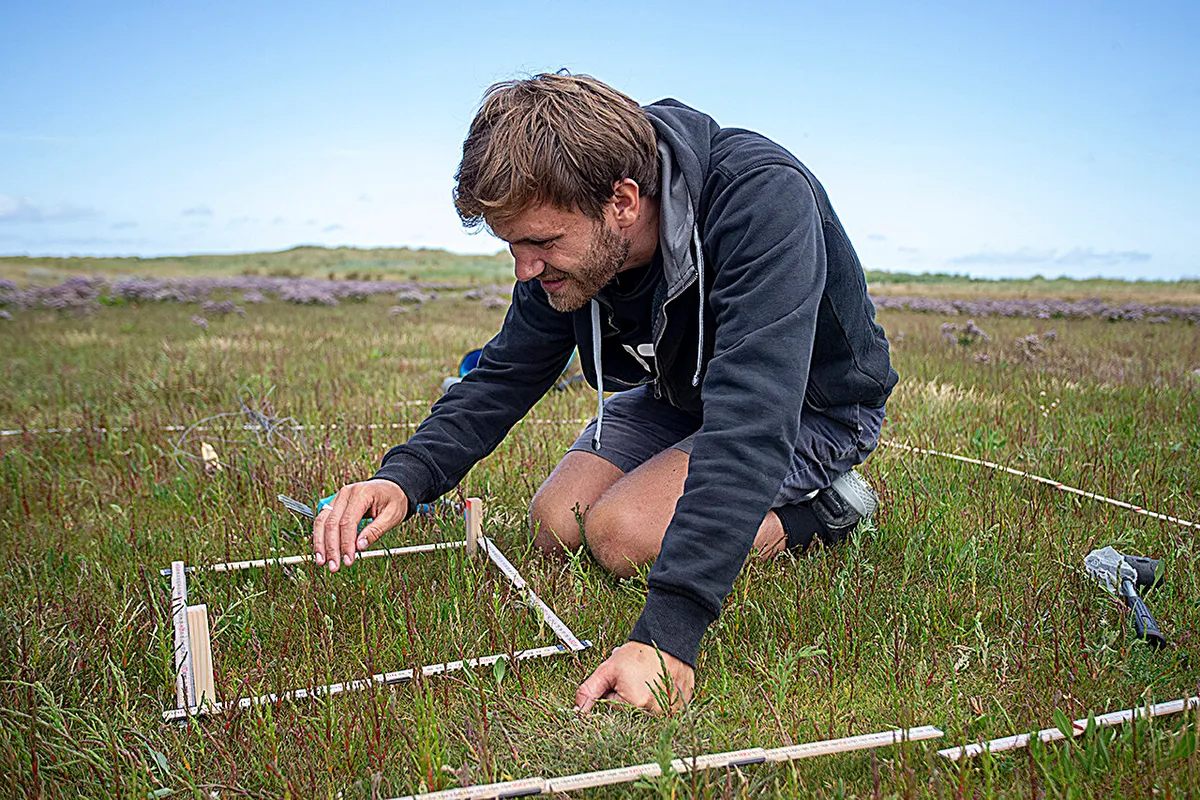
You know how seabirds are always hanging out on coastal islands? Turns out, their droppings are doing more than just fertilizing the sand. They're actually helping these islands grow and fight off rising sea levels.
Floris van Rees, an Earth scientist, checked out five tiny islands in the Dutch Wadden Sea. These spots are a lot like the barrier islands you see off North Carolina. He found that bird poop — or guano, if you want to get fancy — makes plants grow way faster. And that's a seriously big deal.
"Plants that hold sand better grow well with bird droppings," Van Rees explained. "This helps form dunes." Think about it: more plants mean more sand gets trapped, building up the island. That's pretty clever when sea levels are creeping up.
We're a new kind of news feed.
Regular news is designed to drain you. We're a non-profit built to restore you. Every story we publish is scored for impact, progress, and hope.
Start Your News Detox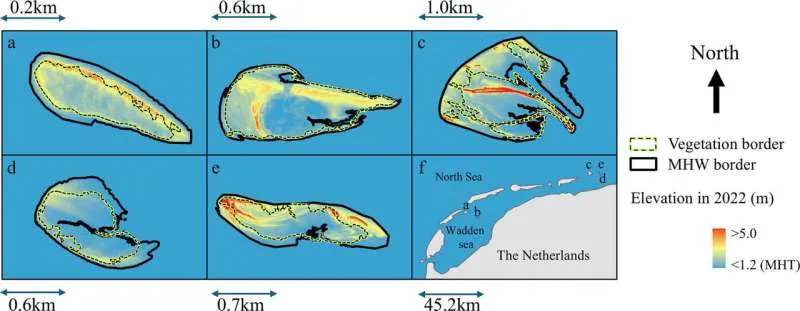
Nature's Own Island Builders
Seabirds basically act like tiny, flying delivery trucks. They bring nutrients from the ocean to these islands. On small, empty islands where food is scarce, this guano gives plants a massive boost. Van Rees saw it clearly in satellite images: where birds breed, plants just explode with growth.

Grasses like marram grass are super good at grabbing sand. They're essential for building those protective dunes. And with the extra kick from guano, these plants get a head start early in the season, trapping even more sand when it matters most.
This isn't just about grasses. Other plants thrive too, thanks to the birds. These low-lying islands are always getting hit by storms and waves. They can erode fast. But the faster plant growth from the guano helps the land bounce back quickly. It's like the birds are giving the islands a natural repair crew.
Tracing the Bird Boost
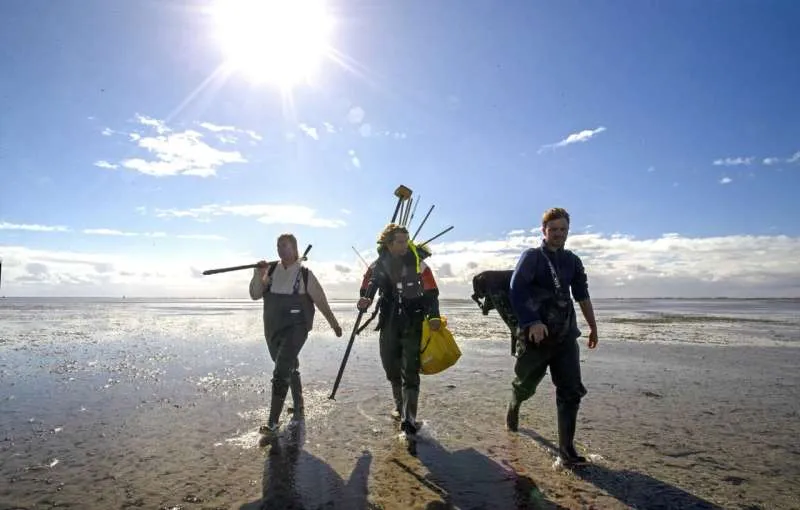
How do they know it's the birds? Nitrogen is a key nutrient in guano, and it comes in slightly different forms. Plants usually get a lighter form from the air and water. But Van Rees found a heavier form of nitrogen in the island plants – the kind that comes directly from bird droppings.
This whole process is a natural cycle. Millions of migratory birds use these sandy barrier islands as breeding grounds or rest stops every year. This research really highlights how these seemingly small creatures play a huge, often overlooked, role in shaping the very land beneath them. It's a wild example of how protecting wildlife can actually help protect our coastlines too.