Imagine trying to protect endangered animals across vast national parks, tracking everything from lion prides to illegal poaching. For years, conservationists used two different tech tools to get this done. But now, these two powerhouse platforms are joining forces to make wildlife protection way simpler and more effective.

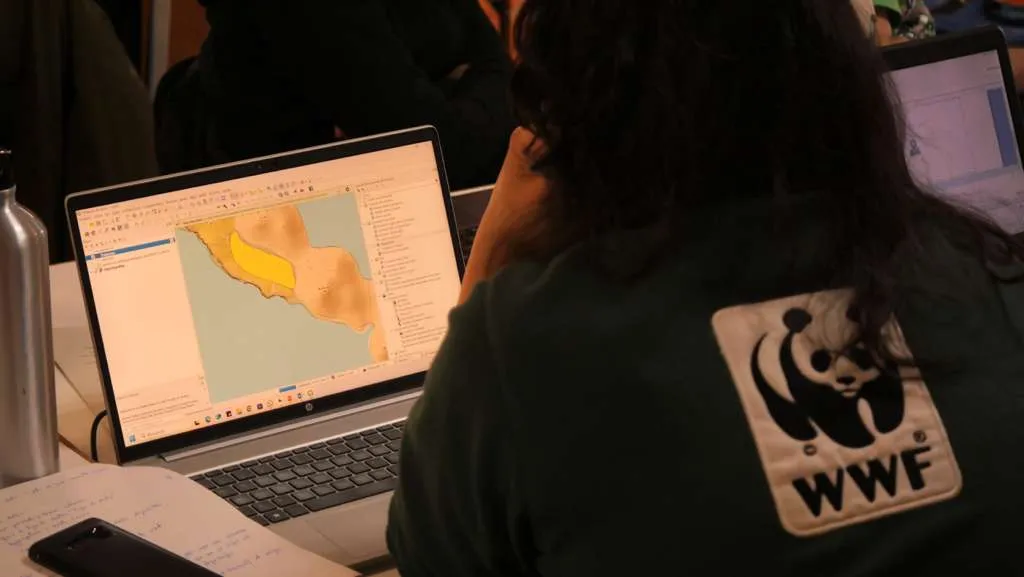
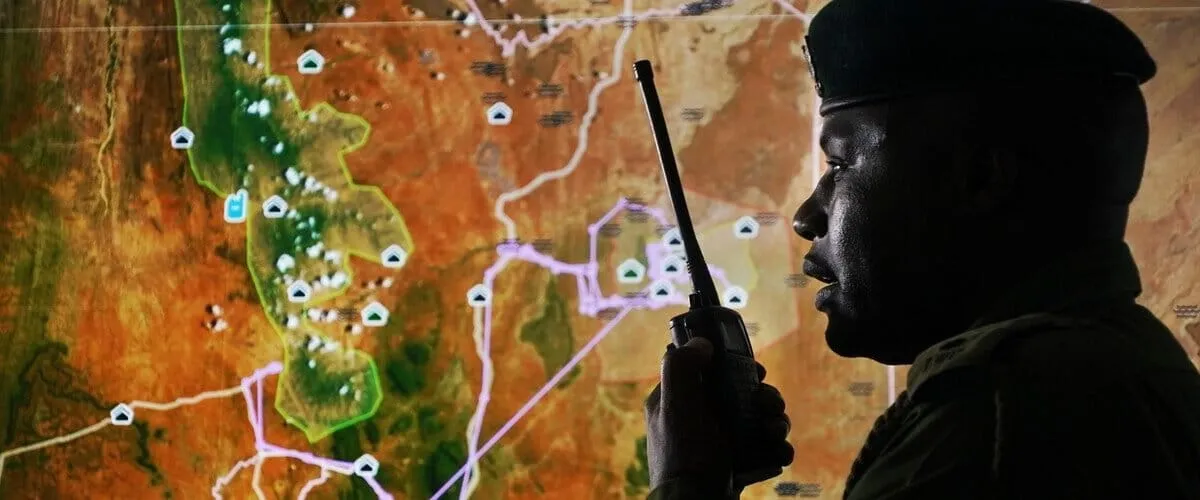
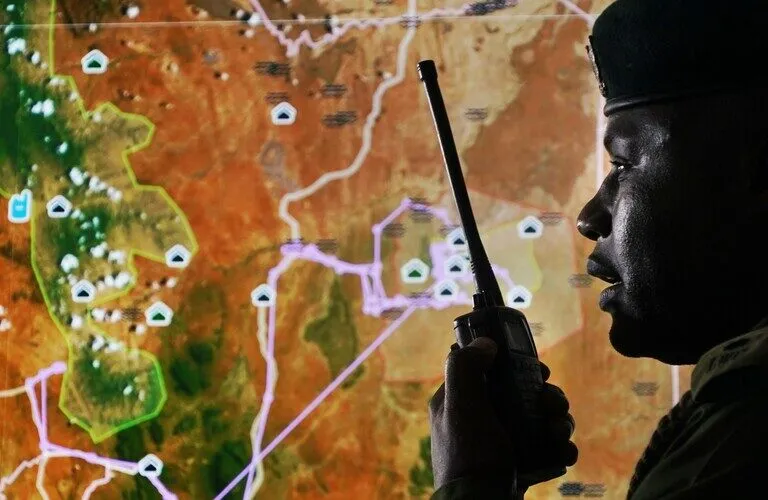
EarthRanger helps monitor animals in real-time. SMART logs patrol data and ranger activities. The tricky part was that many organizations used both, constantly moving data between them. Not ideal when you're trying to save a species.
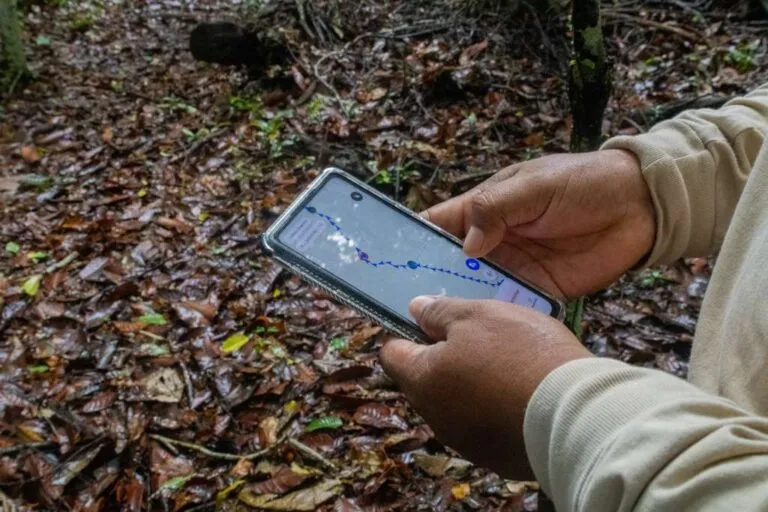
A Clever New Combo
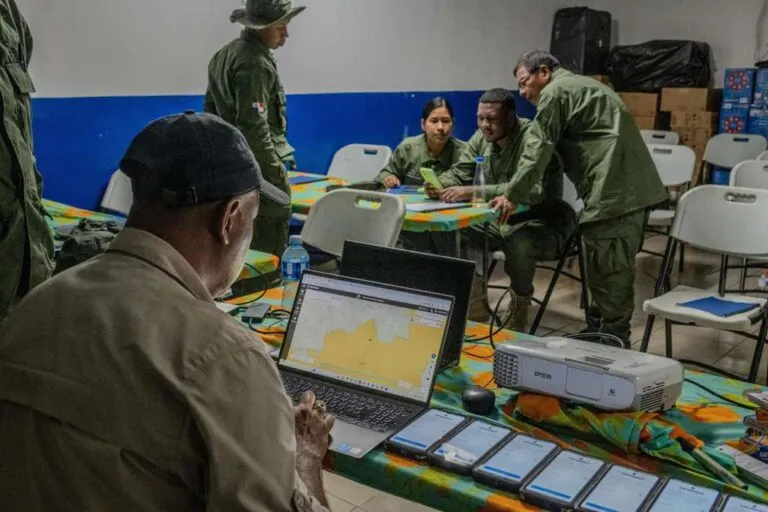
They're combining into one new product called SERCA. This means wildlife monitoring, patrol management, and data analysis will all happen in one place. Think of it like getting the best features of two apps rolled into one super app.
We're a new kind of news feed.
Regular news is designed to drain you. We're a non-profit built to restore you. Every story we publish is scored for impact, progress, and hope.
Start Your News Detox
Jes Lefcourt, the director of EarthRanger, called this a huge opportunity. It means giving conservationists around the world seriously powerful tools to do their critical work.

SMART started back in 2011. A group of nine conservation organizations wanted a better way to collect and understand what was happening out in the field. Since then, it’s grown to include mobile, desktop, and cloud tools. Rangers can record everything: wildlife sightings, illegal activities, and how they respond during patrols.
Today, SMART is used at 1,200 sites in over 100 countries. That's a massive reach, helping protect animals from Zambia to Indonesia. For example, in Zambia, the Zambian Carnivore Programme uses SMART to track hyenas, African wild dogs, lions, leopards, and cheetahs. They log details about their groups, hunting habits, and how different species interact.
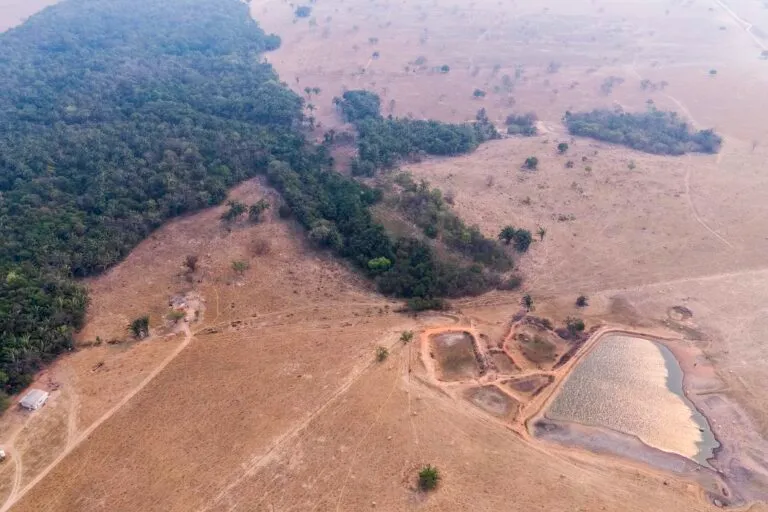
This new combined system, SERCA, means less time wrestling with data and more time actually protecting these amazing animals from threats like habitat loss and snaring. It's a clever move that just might give wildlife a real fighting chance.