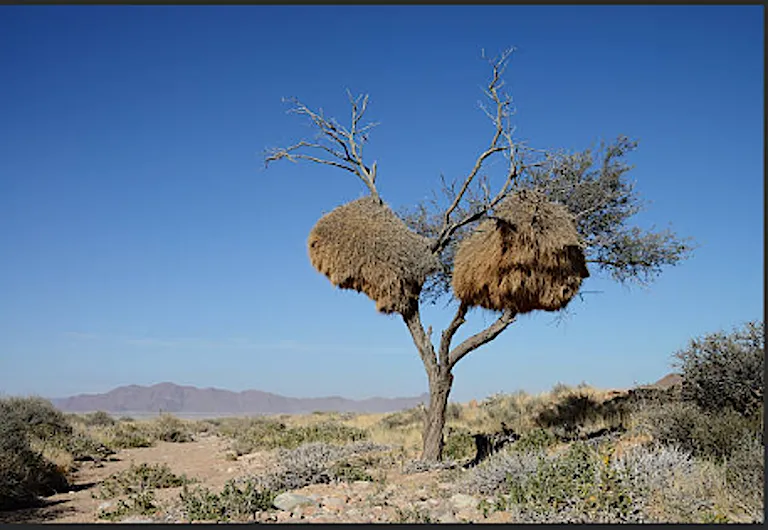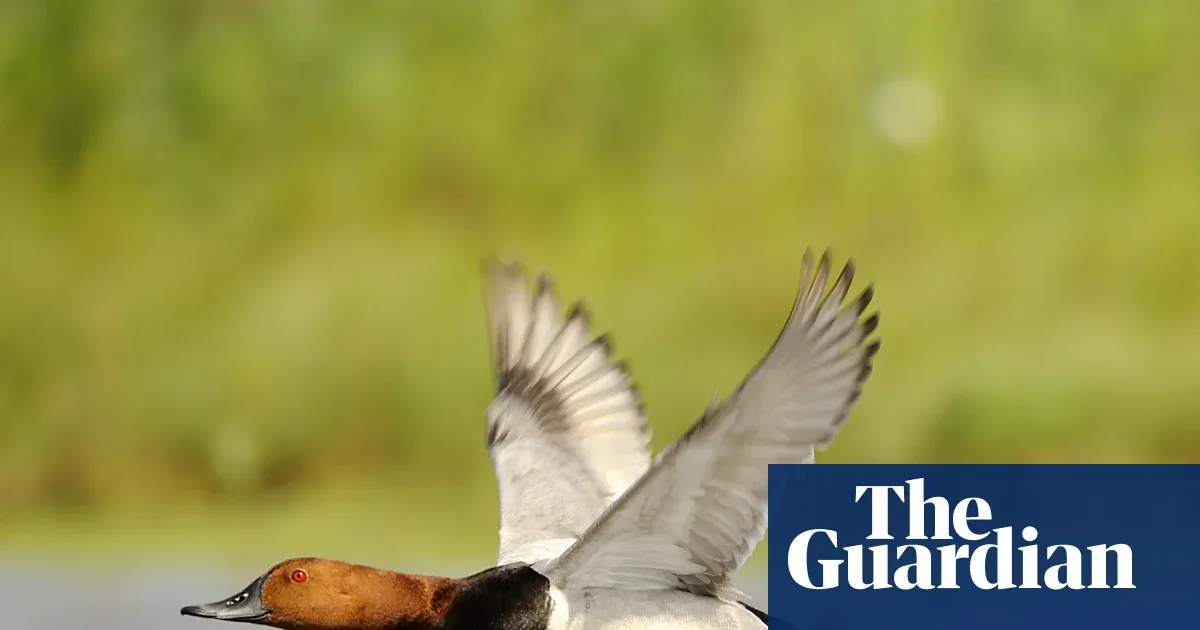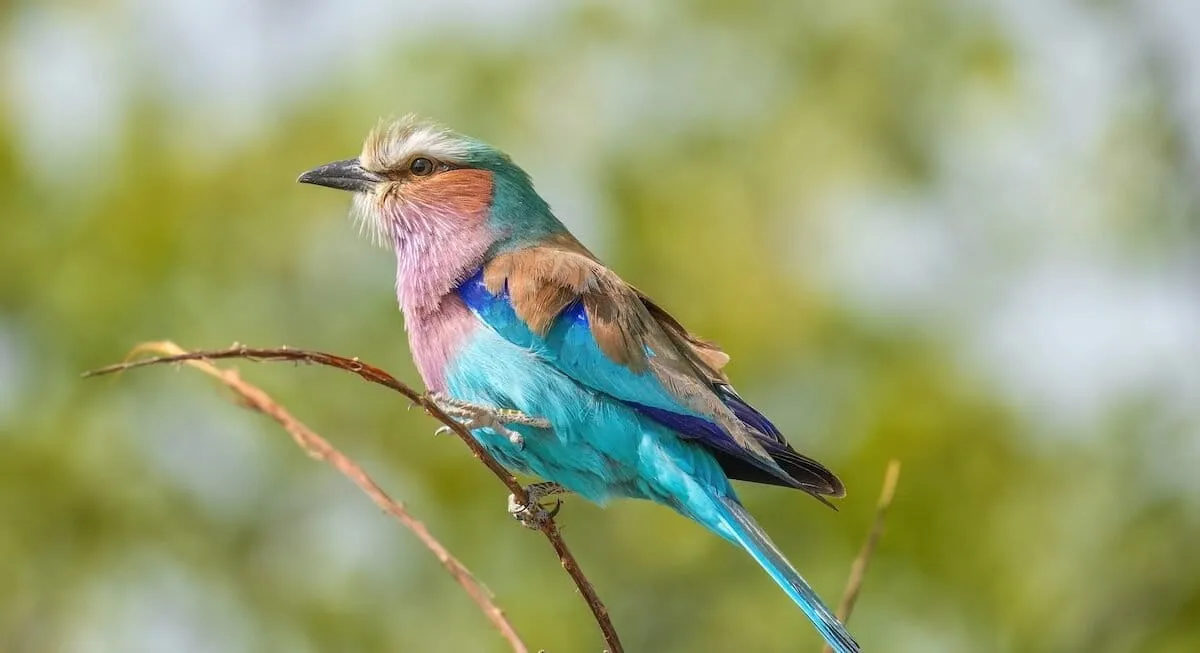
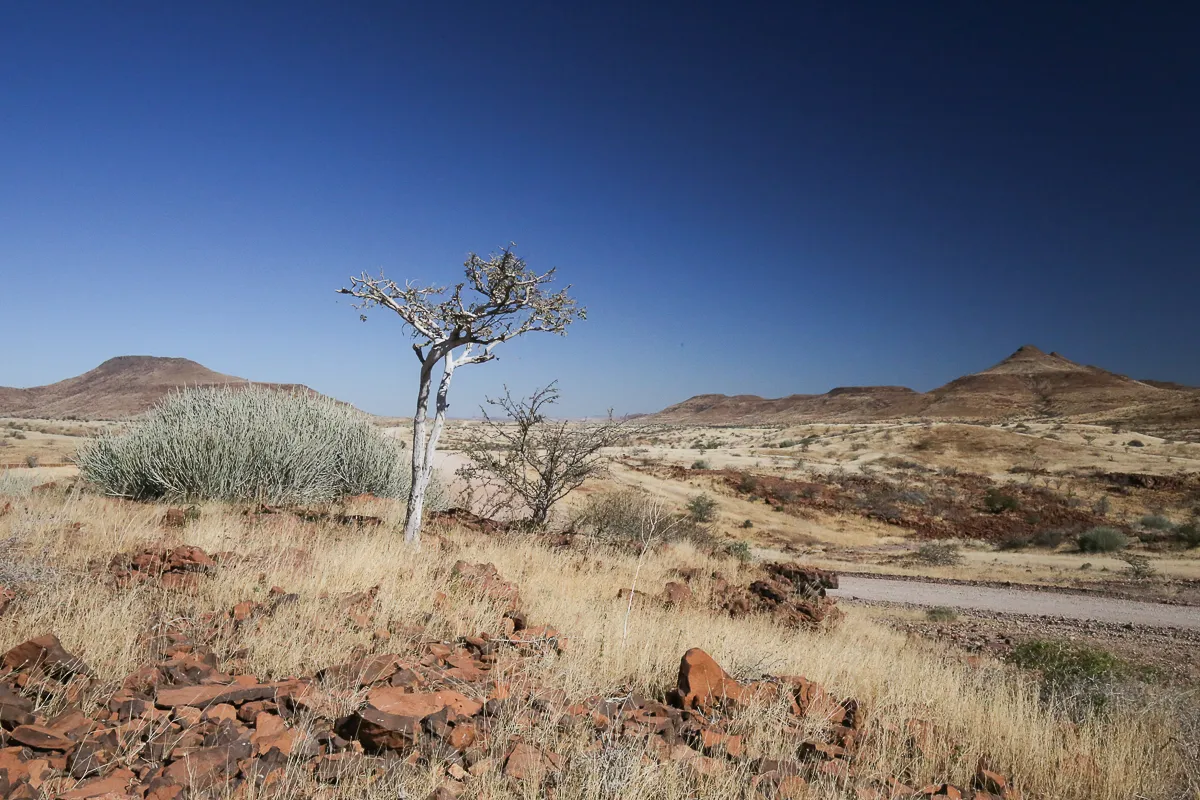
In Namibia's super dry Karas Region, local birds are teaching communities something pretty powerful. It's not just about keeping the birds safe. It's about how watching these birds survive tough times helps people in the villages learn resilience themselves.
Think about it: birds in harsh desert environments find ways to thrive. That grit mirrors how local families endure their own challenges. Now, conservation projects are showing that helping these birds also builds hope, brings people together, and strengthens entire communities.
Villagers are teaming up to restore bird homes. They're fixing up old nesting spots and planting native greenery. These aren't just chores; they're lessons in patience and problem-solving. When a kid sees a weaverbird come back to a reed bed they helped protect, it's a huge win. It teaches them to keep pushing, even when facing big environmental issues.
We're a new kind of news feed.
Regular news is designed to drain you. We're a non-profit built to restore you. Every story we publish is scored for impact, progress, and hope.
Start Your News DetoxYoung Leaders Step Up
The cool part? Women and young people are leading these efforts. For instance, a group of young women put together bird walks for kids. They taught them how to spot birds like the sociable weaver and the pale chanting goshawk. This kind of leadership builds confidence and proves that conservation isn't just for experts; it's for everyone.
These projects are also fighting something called "environmental stress," which can make communities feel isolated. Things like droughts and damaged land can weaken the ties between neighbors. But bird conservation has become a way for people to unite. Families gather to check on nests, swap stories, and celebrate every small success. It's a seriously clever way to build a stronger, more connected community, one bird at a time.