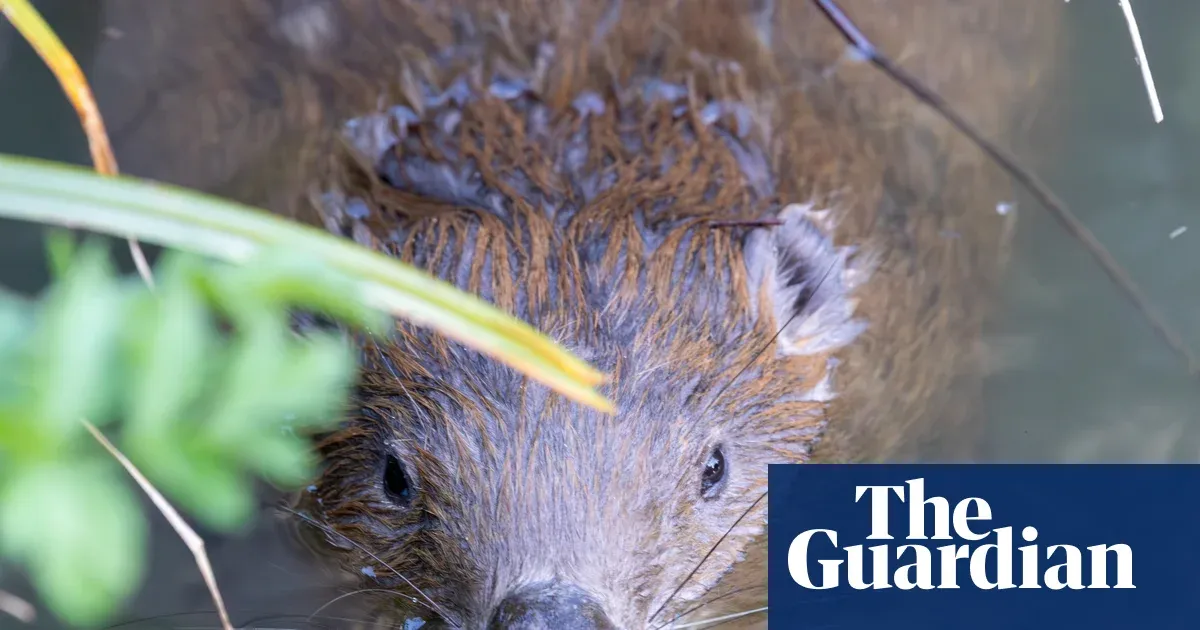
Beavers were reintroduced to the wild in England a year ago. This was the first official reintroduction in 400 years. The semi-aquatic mammals had been hunted to extinction.
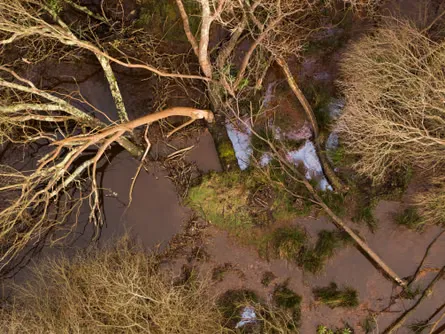
The National Trust is running the project in Dorset. They reported that the beavers are reshaping their new home. They have built a 35-meter dam, which slows a stream and creates a deep pool.
Beavers Bring New Life to Dorset
The beavers have felled trees, allowing more light into the area. This has improved habitats for plants, insects, amphibians, birds, and bats. The changes might also help prevent a nearby road from flooding.
We're a new kind of news feed.
Regular news is designed to drain you. We're a non-profit built to restore you. Every story we publish is scored for impact, progress, and hope.
Start Your News DetoxTrail cameras have shown an otter fishing in the pond. A barn owl was also seen hunting there. Volunteers have spotted birds like redpolls and water rails.
Cameras also captured two beavers mating. This suggests they have settled in. There could be baby beavers, called kits, this summer.
Two pairs of beavers were released into Little Sea, a freshwater lake on the Isle of Purbeck. One pair was on the western side, the other on the eastern side.
The female beaver from the western pair left Little Sea. She traveled several miles to the seaside town of Swanage. She was caught and brought back. Later, she and her mate appeared at a water treatment works. The area was fenced off to keep them away.
They returned to the area around Little Sea. They settled in a wet woodland near the lake. There, they have been busy with their engineering work. They are also hopefully starting a family.
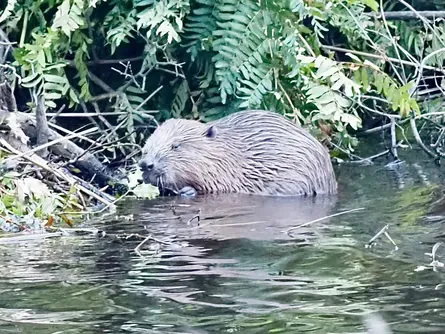
Sadly, the male beaver released on the eastern side died in Swanage Bay. He may have died from salt water poisoning. There have been no recent sightings of the female from that pair.
Gen Crisford, a wetlands project officer for the National Trust, said setbacks are expected. Wild animals face challenges, especially with climate change.
Crisford noted the western pair had many adventures. She hopes they are now having a "happy ever after moment." She looks forward to seeing kits later this year.
She finds it "fantastic" to see beavers making an impact on the habitat. The effect on the ecosystem in a short time is "astonishing." The beavers have turned dense woodland into a light, airy wetland full of life.
Crisford is excited to see what wildlife appears this spring and summer. This includes dragonflies, beetles, butterflies, frogs, and newts. These creatures will also attract animals that feed on them.
The beavers have brought new life to the landscape. Their dams are also helping prevent a nearby road from flooding during heavy rain.
Another pair of beavers was already on the lake before the National Trust's project began. They arrived by unknown means. That pair has raised three kits. They have also built two large lodges on the 33-hectare lake.
Ben McCarthy, head of nature conservation at the National Trust, said the landscape changes are remarkable. He believes this reintroduction shows how positive political action can lead to quick ecological recovery.
The project plans to release 10 to 25 adult beavers. The next release is expected this autumn.