Deepwater rock wrinkles likely formed from chemosynthetic microbes, not just physical processes. This changes what we thought about ancient ecosystems.
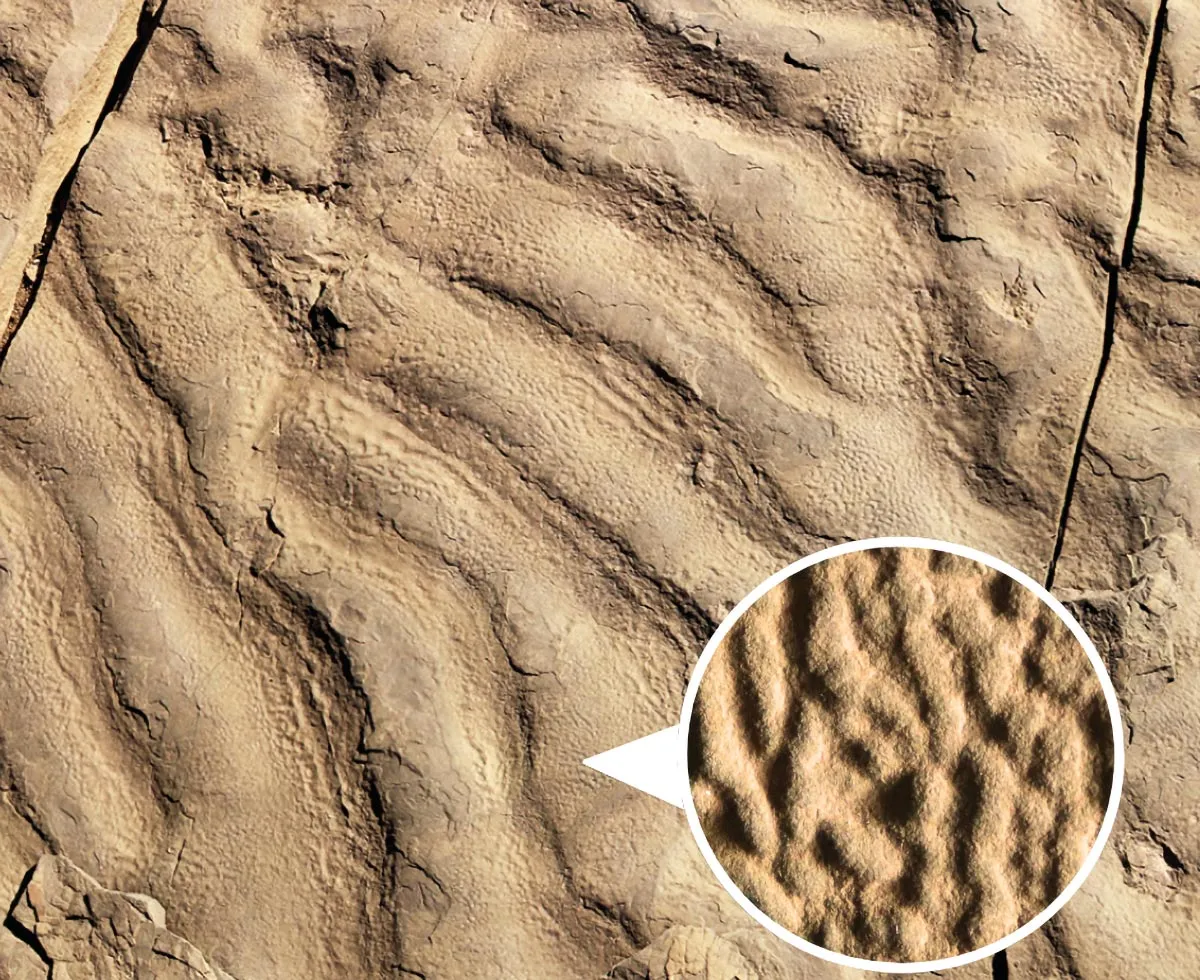
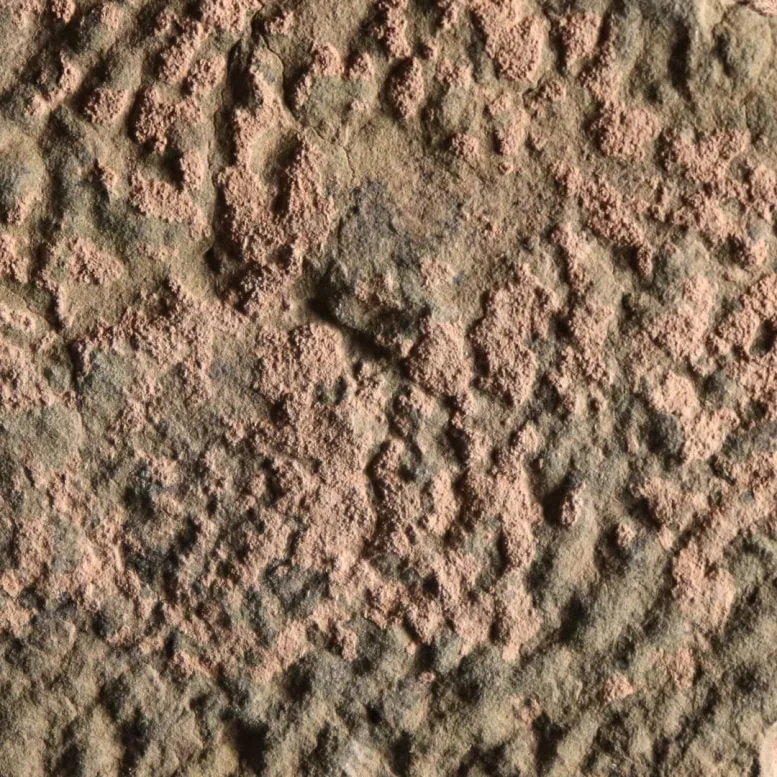
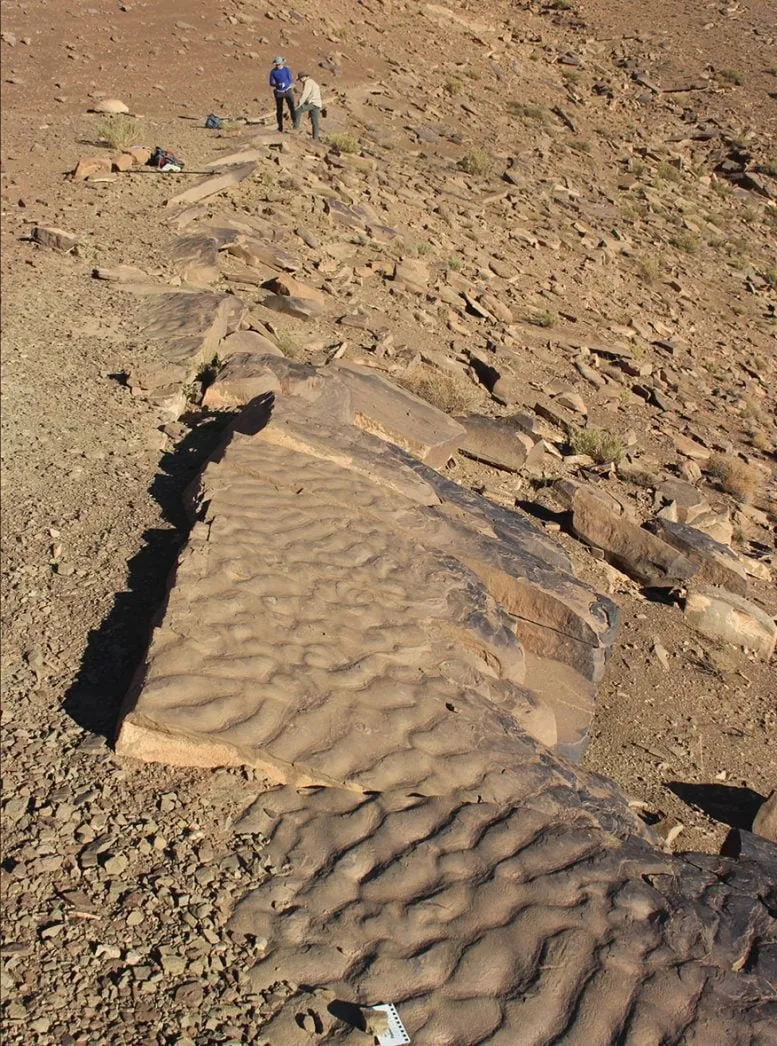
In 2016, geologist Rowan Martindale was hiking in Morocco. She saw something unusual: a rock slab with a wrinkled surface, like elephant skin.
"These aren't supposed to be in rocks like this," Martindale said. She is an associate professor at The University of Texas at Austin’s Jackson School of Geosciences.
We're a new kind of news feed.
Regular news is designed to drain you. We're a non-profit built to restore you. Every story we publish is scored for impact, progress, and hope.
Start Your News DetoxRock textures show how they were formed over time. Martindale thought the patterns looked like microbial mat fossils. These fossils preserve bacteria that lived over 180 million years ago during the Early Jurassic period.
Microbial Fossils in an Unexpected Place
Martindale had seen similar textures before in photos and samples. This was during graduate school, thanks to a colleague who studied Early Triassic microbial fossils.
But there was a problem: the surrounding geology didn't fit.
The wrinkled sediment came from the deep ocean, about 600 feet (183 meters) down. Scientists usually believe microbial wrinkle structures only form in shallow waters. These areas need sunlight and have few grazing marine animals. They often form under stressful conditions or after extinction events.
Challenging Old Ideas About Wrinkled Textures
In deep water, these textures are usually thought to be from underwater landslides. These landslides reshape sediment into ridges and grooves. But Martindale wasn't convinced. The patterns she saw looked biological.
"It was one of those things, knowing what to look for and having that ‘search image’ of wrinkle structures in my head, that made me want to stop and dig into this," she said.
Martindale and her team published a study in Geology. They offer a new idea that connects geology with biology. They suggest a landslide didn't directly make the wrinkles. Instead, it likely brought nutrients to the seafloor, allowing microbes to grow.
New Theory: Landslides Help Chemosynthetic Microbes
The researchers believe microbial mats formed the wrinkles. These mats used nutrients from the landslide instead of sunlight. This energy method is called chemosynthesis. It might also have let the microbes release toxic sulfur compounds. This would have kept other marine organisms away.
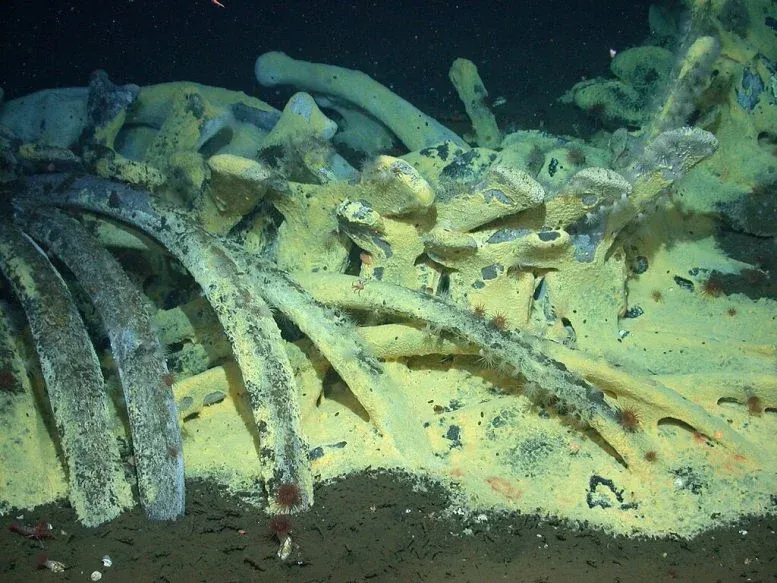
Similar communities exist in the deep ocean today. For example, microbial mats grow on whale carcasses that sink. These "whale fall" ecosystems are rich in nutrients but don't last long.
Deep-Ocean Microbes Change How We See Ancient Wrinkles
Jake Bailey, a professor at the University of Minnesota, studies how microbes affect Earth's systems. He said these findings challenge the idea that all ancient wrinkle structures come from one type of microbial life.
"In the present, some of the largest microbial ecosystems on our planet are found in the dark ocean," said Bailey, who was not part of the research. "The research here shows that certain ancient sedimentary structures may record the presence of these chemolithotrophs rather than phototrophs." Phototrophs are organisms that need sunlight for energy.
New Fossil Discoveries and an Unexpected Scientific Path
Martindale noted that chemosynthetic microbial fossils might be more common than thought. If scientists see wrinkle structures as only physical, they might miss their biological origins. This is harder because there isn't clear language to describe these textures.
"The terminology is pretty lax," Martindale said. "Wrinkly can mean lots of things, so there’s a lack of diagnostic language."
Martindale usually studies ancient coral reefs and mass extinctions. She didn't expect to focus on deep-sea microbial mats. But this discovery led her in a new direction.
"It’s really cool to have gone in this direction that I totally wasn’t expecting," she said. "There was no hypothesis that I would find these microbial mats here. It was just being in the right place at the right time, with the right search image. And then being so stubborn as to not let go of it."
Deep Dive & References
Chemosynthetic microbial communities formed wrinkle structures in ancient turbidites - Geology, 2025
The National Science Foundation funded this research.