Scientists in South Korea have found a new baby dinosaur species, Doolysaurus huhmini. This discovery is the first new dinosaur species in the country in 15 years. It also marks the first time a dinosaur fossil in Korea has included parts of a skull.
The researchers used advanced CT scanning to reveal the hidden skull elements. This technology helped them study the fossil without damaging it.
Naming the New Dinosaur
The dinosaur was named Doolysaurus after Dooly, a popular green cartoon dinosaur in South Korea. The researchers chose this name because their fossil was also a juvenile, or "baby," dinosaur.
We're a new kind of news feed.
Regular news is designed to drain you. We're a non-profit built to restore you. Every story we publish is scored for impact, progress, and hope.
Start Your News DetoxJongyun Jung, who led the research, said Dooly is a very famous character in Korea. He noted that the name perfectly honors the cartoon.
The species name, huhmini, honors Korean paleontologist Min Huh. He has studied dinosaurs in Korea for over 30 years. He also founded the Korean Dinosaur Research Center.
A Small, Fuzzy Omnivore
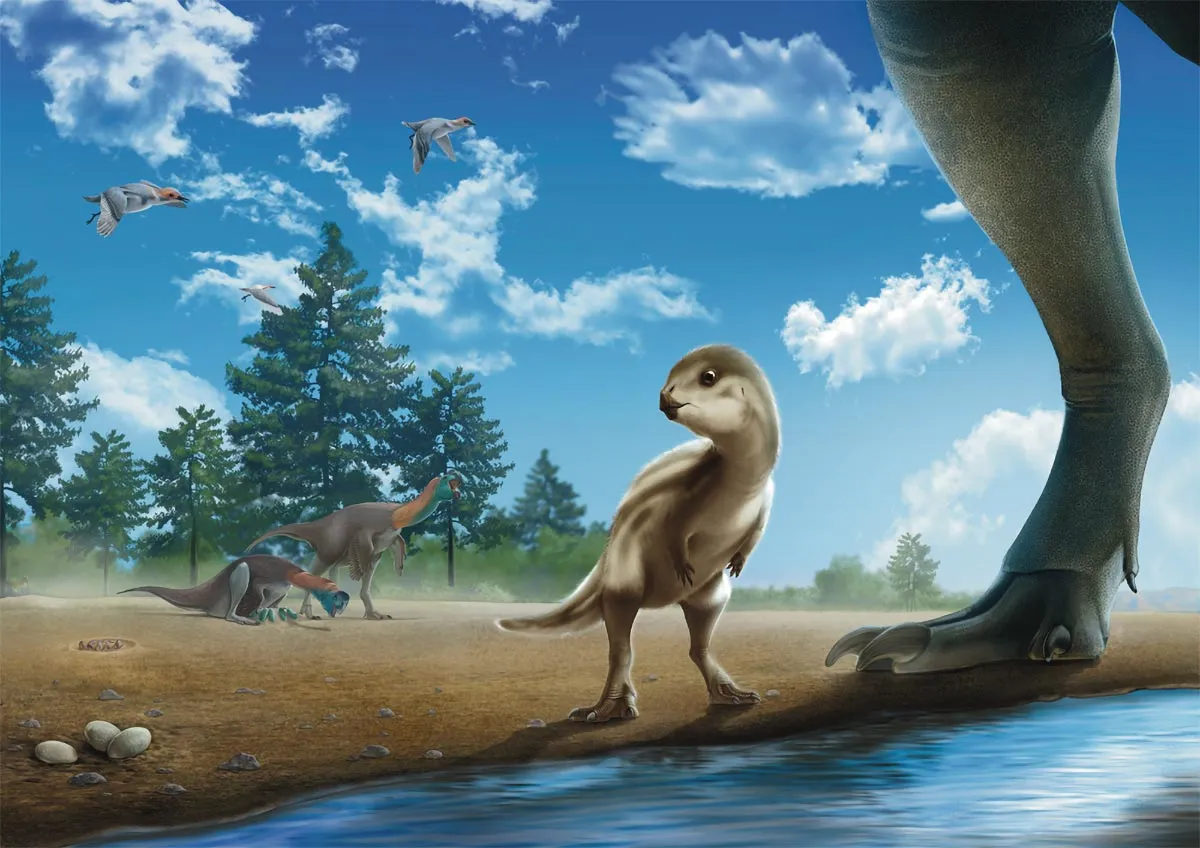
Doolysaurus huhmini was about two years old when it died. It was roughly the size of a turkey. Adults might have grown to twice that size. Scientists believe it likely had fine, fuzzy filaments covering its body.
Julia Clarke, a professor at the Jackson School and co-author, described it as "pretty cute," possibly looking "a bit like a little lamb."
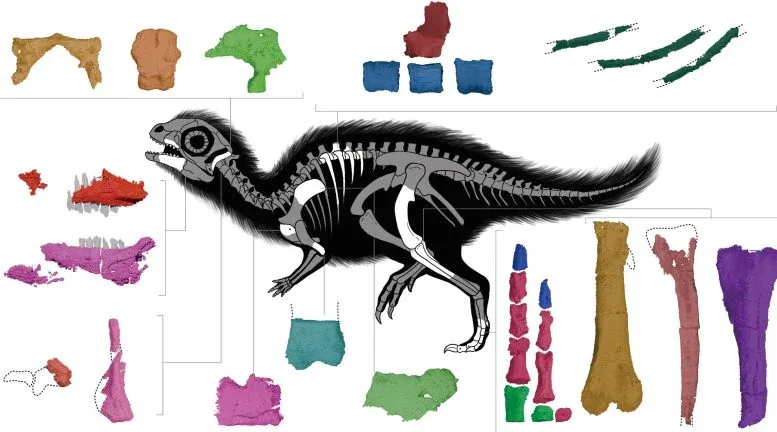
The dinosaur lived about 113 to 94 million years ago during the mid-Cretaceous period. It belongs to a group called thescelosaurids, which are bipedal dinosaurs found in East Asia and North America.
The fossil also contained dozens of gastroliths, which are small stones swallowed to help with digestion. These stones suggest Doolysaurus ate a varied diet of plants, insects, and small animals. The gastroliths also hinted that more of the skeleton might be preserved inside the rock.
The Power of CT Scanning
Much of the fossil was embedded in hard rock. Normally, removing it by hand could take nearly a decade. However, micro-CT scanning allowed scientists to see the entire fossil in just a few months.
Jung, Clarke, and their team then spent over a year studying its anatomy. Clarke emphasized that CT scanning is crucial for examining delicate fossils, especially those preserved in dense rock.
Looking Ahead
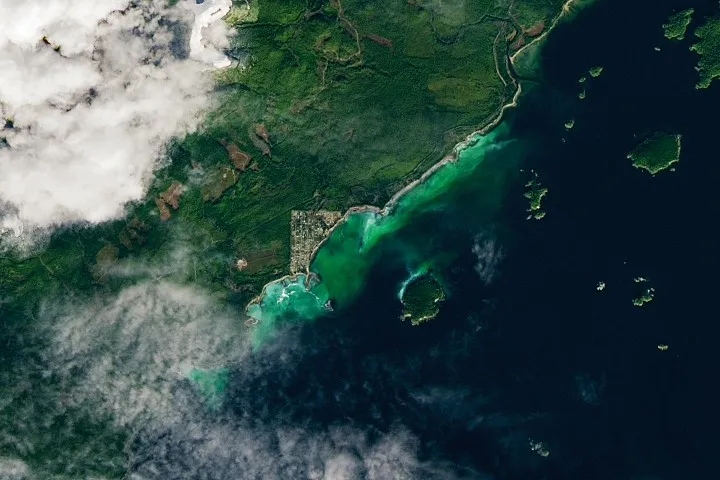
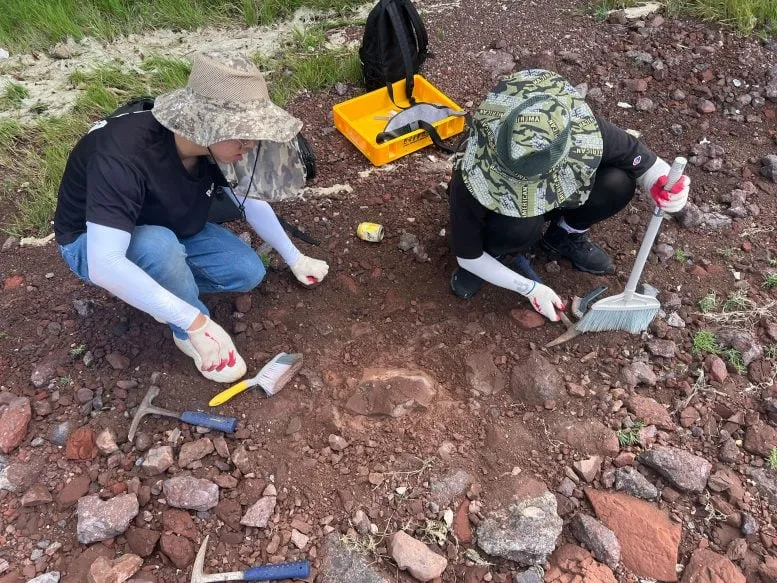
Co-authors Minguk Kim and Hyemin Jo are now using CT scanning techniques they learned to study other fossils in Korea. Jung plans to return to Aphae Island to search for more specimens.
While South Korea is known for dinosaur tracks, nests, and eggs, complete skeletal remains are rare. Jung believes more fossils like Doolysaurus are still hidden in the rock layers. He hopes micro-CT scanning will lead to many more discoveries.
Deep Dive & References:
A new dinosaur species from Korea and its implications for early-diverging neornithischian diversity - Fossil Record, 2026