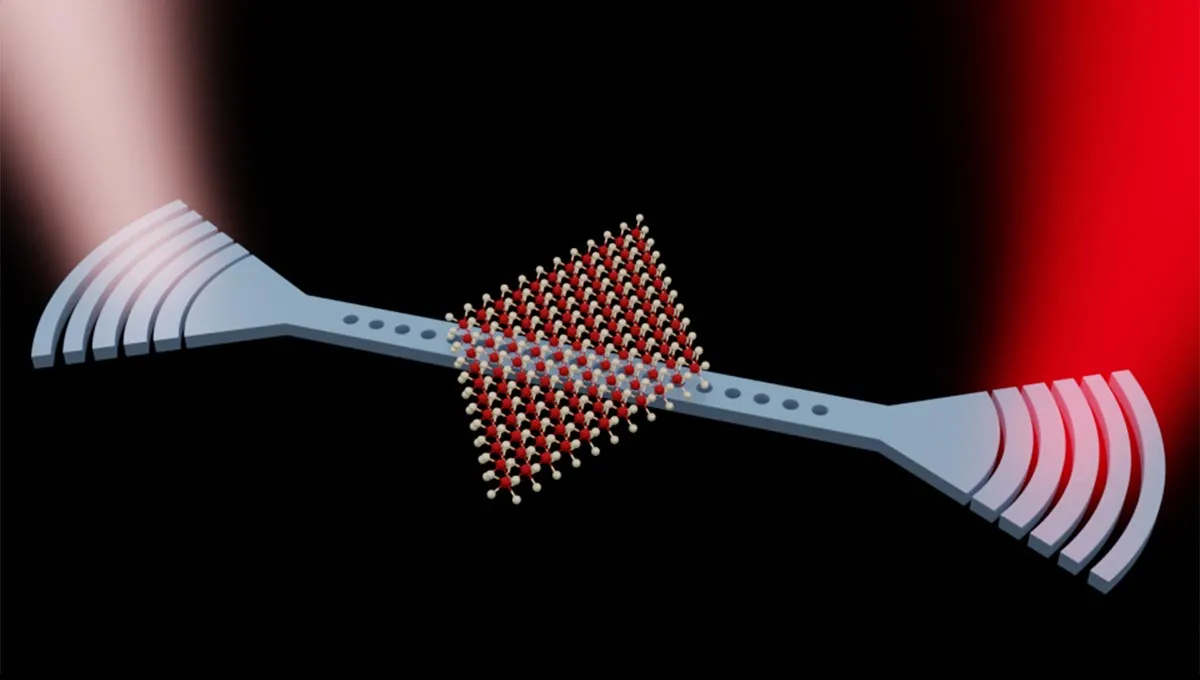
Developing new medicines often requires specific molecular building blocks. Some important drugs, like penicillin, use small, ring-shaped molecules that hold a lot of internal tension. These strained structures can kickstart chemical reactions, helping scientists create complex compounds more easily.
A research team at the University of Münster's Institute of Organic Chemistry in Germany, led by Prof. Frank Glorius, has found a new way to make one of these tricky molecular structures.
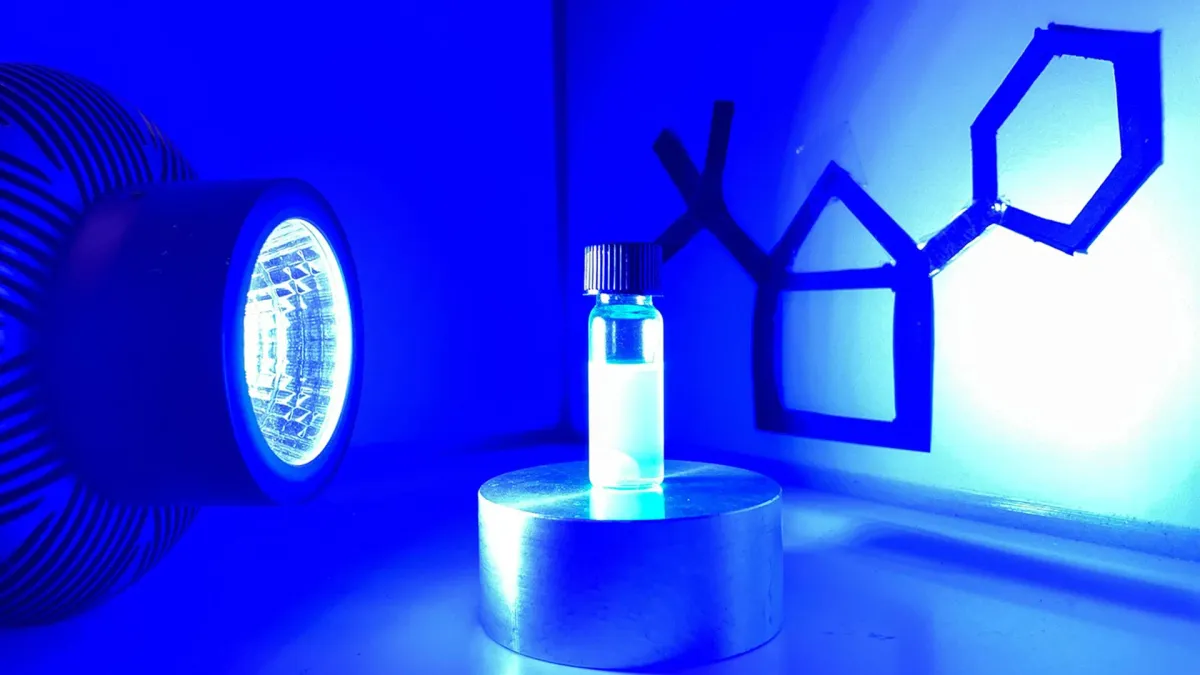
The new method turns simple, common starting materials into compact, highly strained molecules called "housanes." They are named for their house-like shape. A photocatalyst powers the reaction, using light to transfer energy to the molecules and make the change happen.
We're a new kind of news feed.
Regular news is designed to drain you. We're a non-profit built to restore you. Every story we publish is scored for impact, progress, and hope.
Start Your News DetoxWhy Strained Molecules Are Important
Small ring molecules act like bent branches under pressure. They store a lot of tension, which they can release during later reactions. This makes them valuable for creating useful chemicals and pharmaceuticals.
Despite their importance, these molecules are hard to make. Older ways to create housanes needed high temperatures and harsh conditions. These methods also struggled when extra atoms or side groups, called functional groups, were attached to the starting materials. Functional groups are key because they greatly affect how a molecule behaves and its properties.
Using Light to Control Reactions
The researchers started with hydrocarbons called 1,4-dienes. When exposed to light, these compounds usually have unwanted side reactions that get in the way. To fix this, the team adjusted the side chains of the starting materials. This helped stop the competing reactions, making the chemistry more controlled and predictable.
Once the unwanted pathways were blocked, the molecules could fold into the strained ring structure needed for housanes. Frank Glorius explained that this process is usually hard because it needs extra energy. Photocatalysis provides that necessary energy.
The team also used computer analysis to better understand how the reaction works.
Benefits for Medicine and Materials
This new technique offers a more efficient way to make housanes. It also expands the types of molecules that can be built from these high-tension structures. Researchers believe the method could help both basic chemistry research and practical uses. These include making pharmaceuticals and developing advanced materials.
Deep Dive & References
- Divergent housane synthesis via intramolecular [2 + 2] cycloaddition of 1,4-dienes - Nature Synthesis, 2026