Turns out, the solid rock deep inside Earth isn't quite as solid as we thought. Scientists just found that tiny, overlooked flaws in common minerals might be driving how our planet's interior shifts and flows.
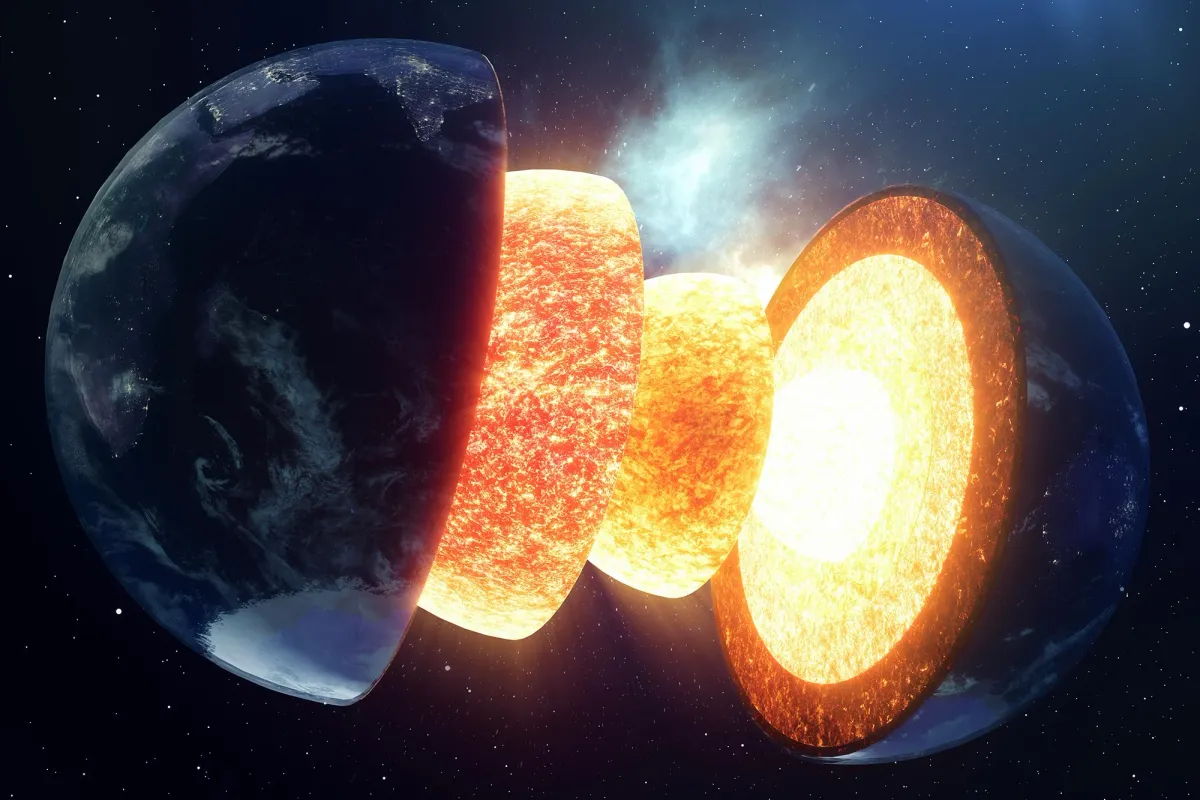
Think of it like this: minerals are everywhere, even hundreds of miles beneath your feet. They're made of crystals, which are usually super orderly. But deep down, under insane heat and pressure, these crystals don't just sit there. They bend and flow without breaking.
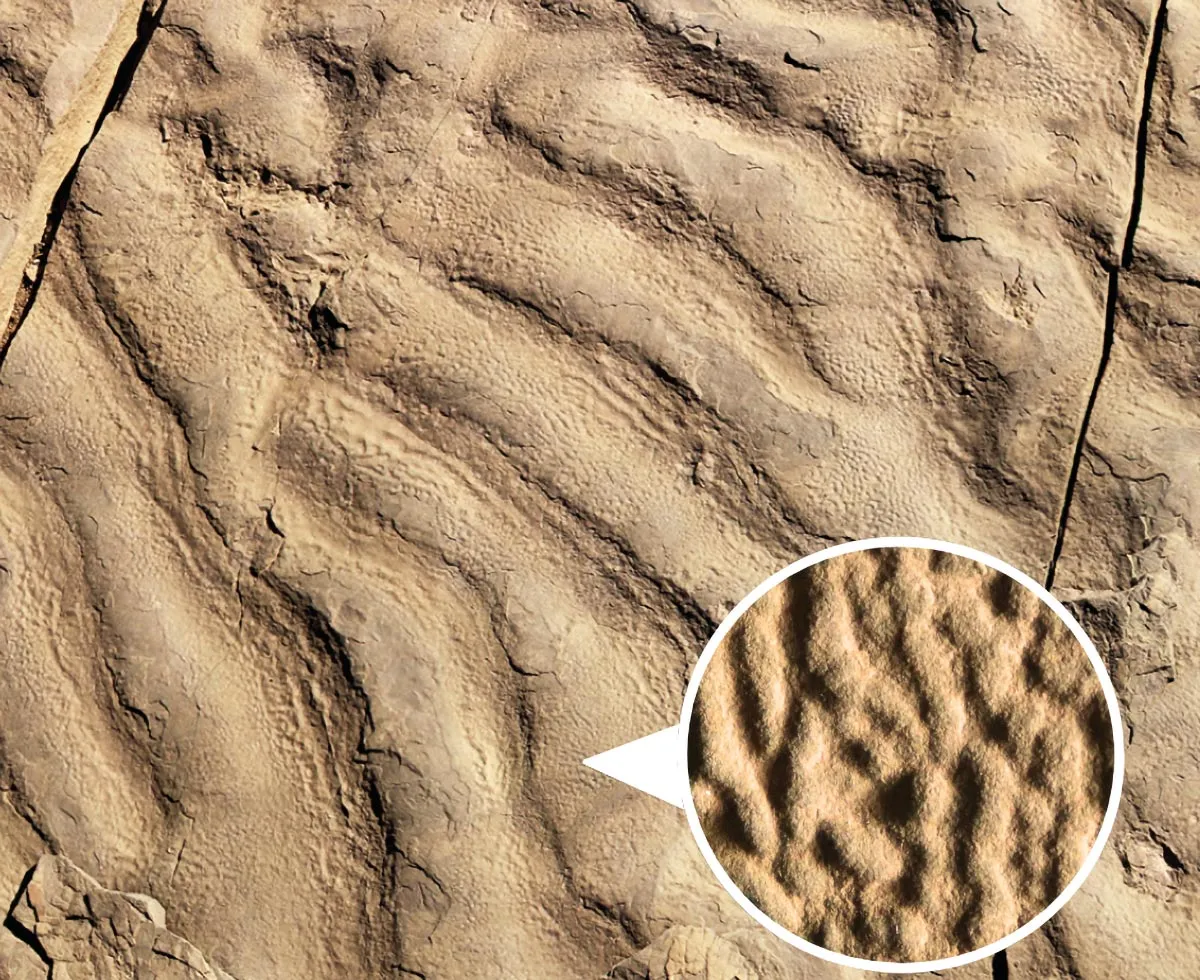
This happens because of what scientists call "dislocations." These are basically tiny mistakes in the crystal's atomic structure, like microscopic slip zones. They let solid rock slowly change its shape over time, which is a big deal for things like tectonic plates moving around.
We're a new kind of news feed.
Regular news is designed to drain you. We're a non-profit built to restore you. Every story we publish is scored for impact, progress, and hope.
Start Your News DetoxFor ages, scientists thought these slip zones in olivine—the most common mineral in Earth's upper mantle—mostly moved in two main directions, called "a" and "c." A third direction, "b," was pretty much ignored, seen as rare and unimportant.
But a new study from the University of Liverpool just flipped that idea on its head. Using a super-detailed imaging technique called Electron Backscatter Diffraction (EBSD), they mapped out tiny differences in crystal orientation.
What they found was pretty wild: about 17% of the crystals showed deformation linked to those "b" dislocations. That's way more than anyone expected. They even double-checked with another tool, Transmission Electron Microscopy (TEM), to confirm these structures were really there.
This means those previously ignored "b" dislocations might be way more common than anyone realized. Professor John Wheeler, who led the study, says this changes how we understand the Earth's mantle deforms. It could even help scientists figure out how deep certain geological events happened, just by looking at these tiny flaws.
And here's the kicker: this clever approach isn't just for Earth science. It could help other fields, like materials science, too. Think about semiconductors, where tiny flaws can mess up performance. Understanding these dislocations could lead to stronger materials or better tech. It's like finding a secret cheat code for both geology and engineering.