Get ready to look up! April is bringing some serious skywatching treats, including a brand-new comet, the brightest Mercury you'll see all year, and a meteor shower.
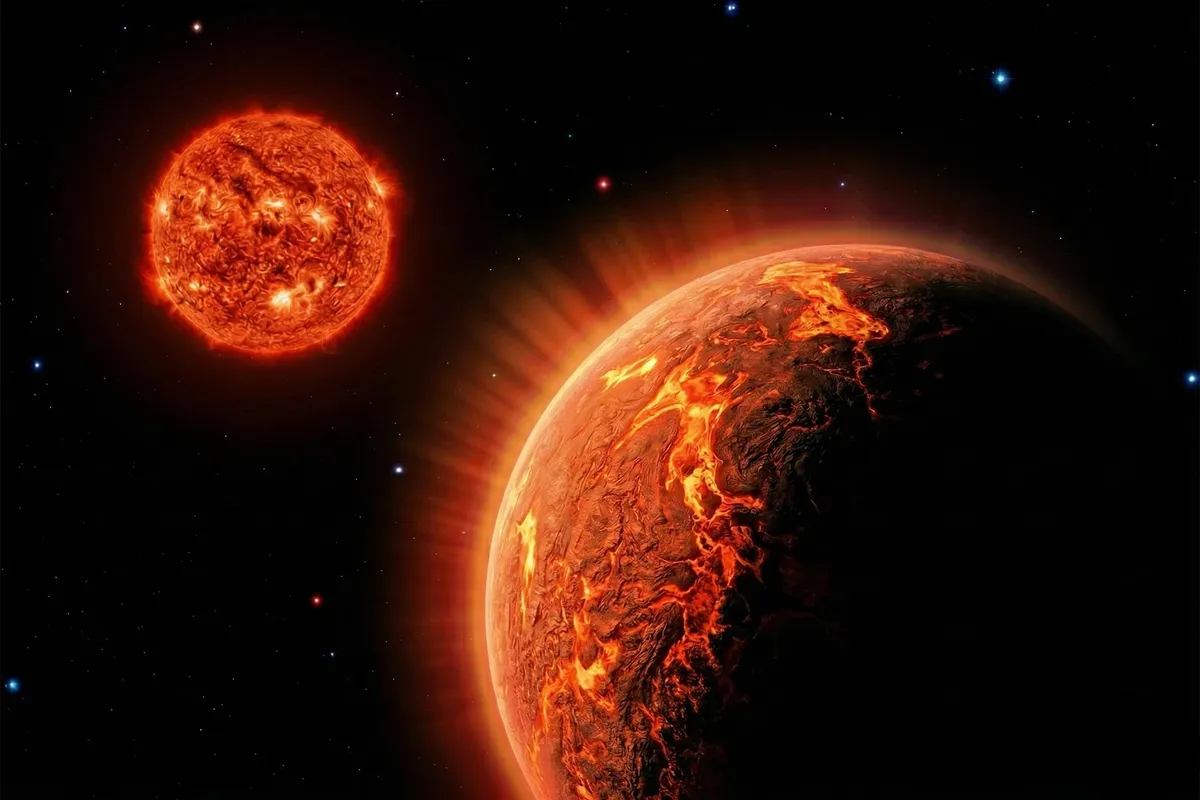
First up, mark April 3rd on your calendar. That's when Mercury will be at its absolute brightest and easiest to spot. Usually, this tiny planet plays hide-and-seek too close to the Sun, but not on the 3rd. Look low in the eastern sky just before sunrise, right above Mars. Seriously cool to catch a glimpse of the solar system's fastest planet.

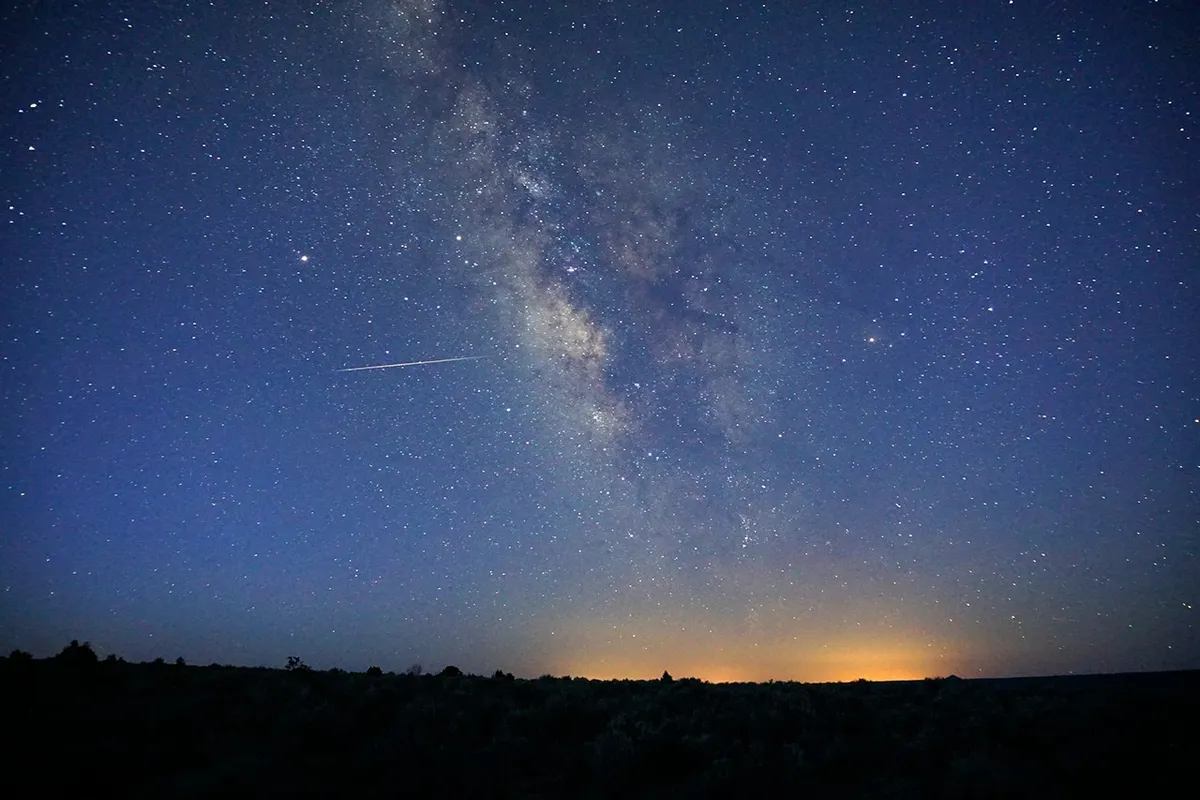
Then, get ready for some "shooting stars." The Lyrid meteor shower peaks on April 21st and 22nd. This happens when Earth cruises through a trail of dust and pebbles left behind by an old comet called Thatcher. As those bits hit our atmosphere, they burn up in a flash of light.
We're a new kind of news feed.
Regular news is designed to drain you. We're a non-profit built to restore you. Every story we publish is scored for impact, progress, and hope.
Start Your News DetoxTo catch the Lyrids, head outside after 10 p.m. on April 21st and keep watching into the early morning of the 22nd. Look towards the east, near the super bright star Vega in the constellation Lyra, which looks like a harp.
But here's the wild card: a brand new comet. Comet C/2025 R3 could be the brightest comet of the year, and April 17th might be your best chance to see it. It makes its closest pass to Earth on April 27th, a mere 44 million miles away.
Now, you'll probably need binoculars or a telescope for this one, but how often do you get to see a new comet? Look for it in the eastern sky before dawn from mid-April through the end of the month, hanging out near the constellations Pegasus and Pisces. People in the Southern Hemisphere will get a good view in early May evenings. It's a pretty nuts chance to witness something that's just arrived from the deep, dark reaches of space.