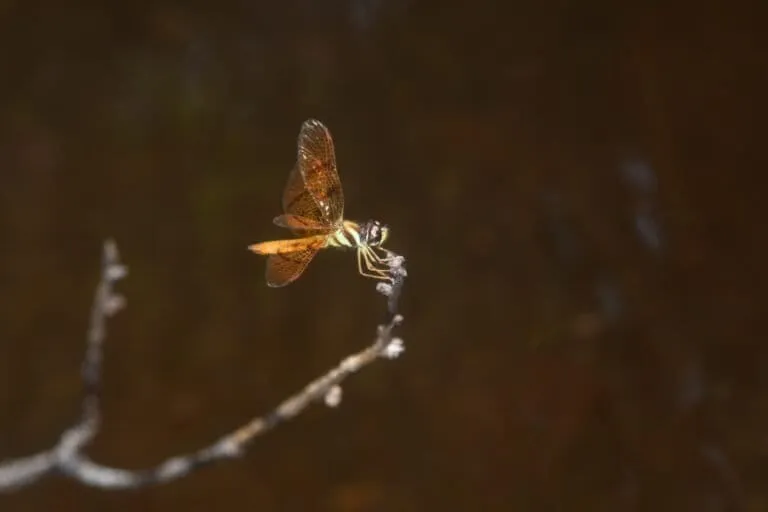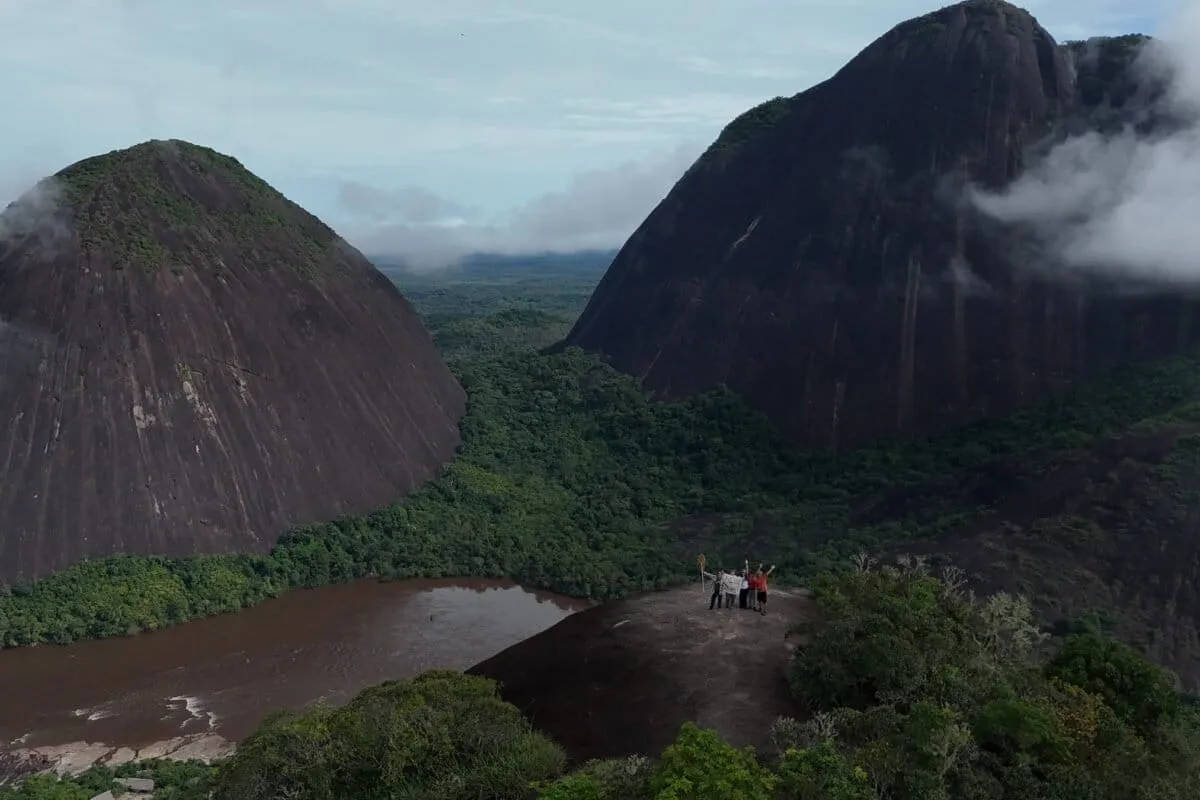
When researchers first ventured into Guainía, a remote corner of eastern Colombia, they figured they'd find maybe ten types of dragonflies. You know, a handful. Turns out, the actual number is closer to 120, thanks to some serious collaboration with local Indigenous communities. Because apparently, when you actually ask the people who live there, you find a lot more than you expect.
Yiselle Cano, who heads up the Dragones Guainía project, pretty much admits they started from zero. This region is a hotbed of dragonfly diversity, pulling in species from the Orinoco and Amazon, plus a few exclusive residents from the ancient Guiana Shield. Basically, it’s the VIP lounge for winged insects.

Giving Dragonflies a Voice
Dragonflies and their damselfly cousins aren't just pretty faces; they're also tiny, flying water filters. Their presence (or absence) tells you a lot about the health of the local freshwater. Which is crucial, because their habitats are under siege from mining, deforestation, haphazard waste management, and a tourism boom that probably didn't send a memo to the local insect population.
We're a new kind of news feed.
Regular news is designed to drain you. We're a non-profit built to restore you. Every story we publish is scored for impact, progress, and hope.
Start Your News DetoxAfter cataloging these newly discovered beauties, the researchers hit a snag. Scientific names, it turns out, don't exactly roll off the tongue for communities that have a slightly different understanding of the natural world. And some didn't even speak Spanish. So, what do you do?
Community leaders threw a linguistic party. They invited everyone, from the kids who probably chase these things for fun to the elders who hold generations of ecological knowledge. As researchers displayed the dragonflies found near various water sources, people started giving them names. In their own languages. The result? New words are being created for these insects, breathing fresh life into languages that were, until now, nearly forgotten. Because sometimes, to save a species, you also have to save a word.