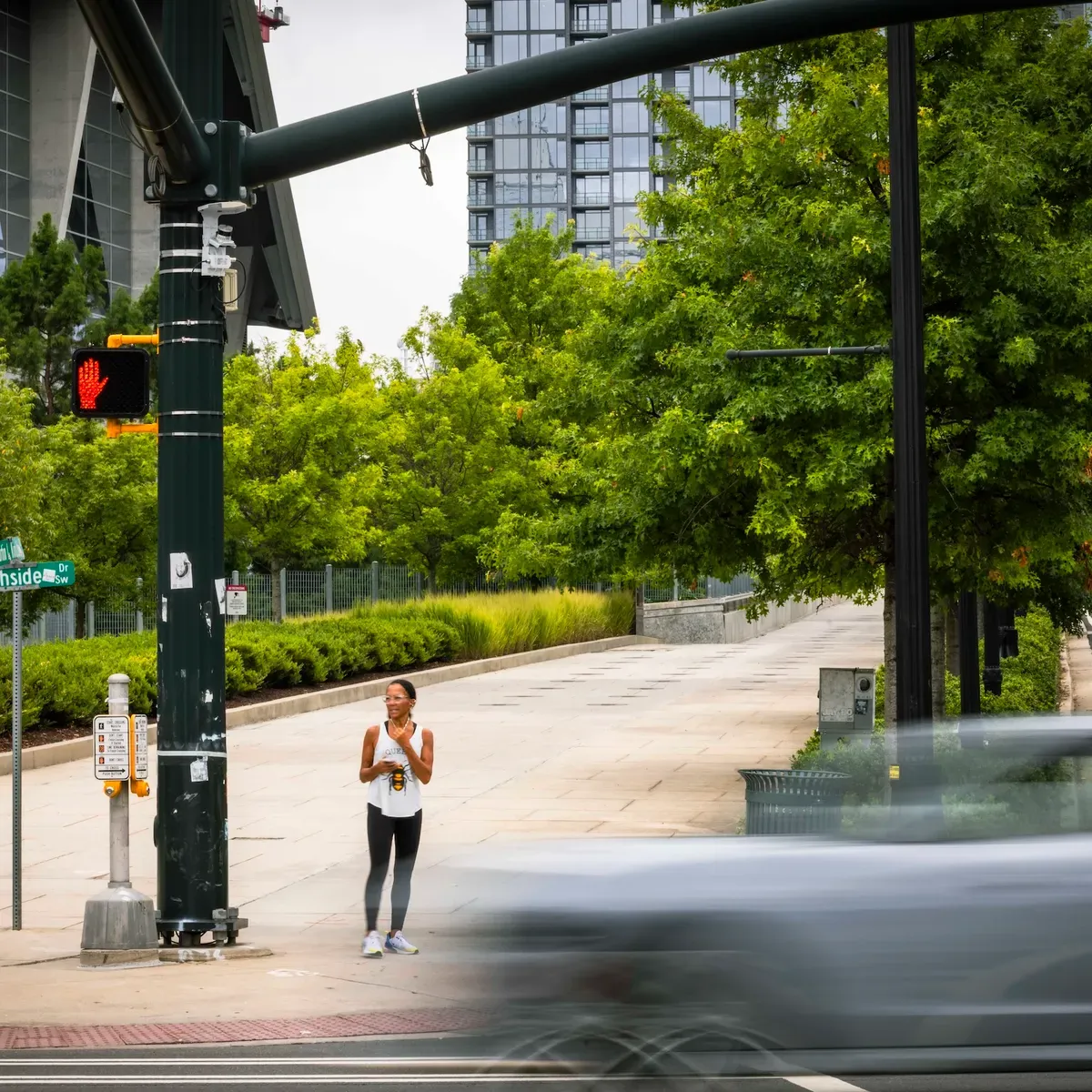
Utah is rolling out a traffic upgrade across 160 intersections that basically gives them superpowers. We're talking about new lidar-based systems designed to make roads significantly safer for anyone not encased in a metal box — pedestrians, cyclists, wheelchair users, and even those on scooters.
The Utah Department of Transportation (UDOT) just handed a hefty contract to Econolite to install digital lidar sensors from Ouster. This isn't their first rodeo; they had a similar deal in 2025 for over 100 intersections. So, clearly, someone likes what they're seeing.
Your Crosswalk Just Got Smarter
Here's how it works: Ouster's color lidar sensors are like having a 360-degree, 500-foot-range superpower for every intersection. They can detect, classify, and track everything in real time. This means traffic signals can adjust on the fly, rather than sticking to a rigid, often unhelpful, schedule.
We're a new kind of news feed.
Regular news is designed to drain you. We're a non-profit built to restore you. Every story we publish is scored for impact, progress, and hope.
Start Your News DetoxWhy does this matter? Well, Utah, like many places, has a bit of a problem. In 2024 alone, there were 883 pedestrian crashes. Over a six-year span, a sobering 20% of those led to serious injury or death. Add to that nearly 600 bicyclists and about 150 people on skates, wheelchairs, or scooters involved in crashes, and you start to see why the state is investing in traffic lights that are a little less, shall we say, dumb.
One of the biggest issues UDOT is tackling is the walk signal timing. Ever felt like you had to sprint across a crosswalk or, conversely, waited forever when no cars were coming? Current fixed-time signals don't account for varying speeds. With lidar, the signal knows who's in the crosswalk and can clear sooner or stay on longer. It can even allow "no-turn-on-red" signals to clear if the coast is genuinely clear, which is both impressive and a slight relief for anyone stuck behind that red light.
This isn't just a Utah thing. Ouster's systems are already in over 700 communities. Chattanooga, Tennessee, for instance, has a 1.25-mile "smart corridor" downtown, linking 12 intersections with cameras, lidar, and AI. Even the Georgia Department of Transportation got in on the action, adding 30 lidar installations near Mercedes-Benz Stadium in Atlanta to prep for the World Cup. Because apparently, even soccer fans deserve smarter crosswalks.
Ouster expects to deliver the goods for Utah by the end of this year. So, next time you're crossing the street in the Beehive State, know that the intersection is not just watching; it's actively thinking about your journey.