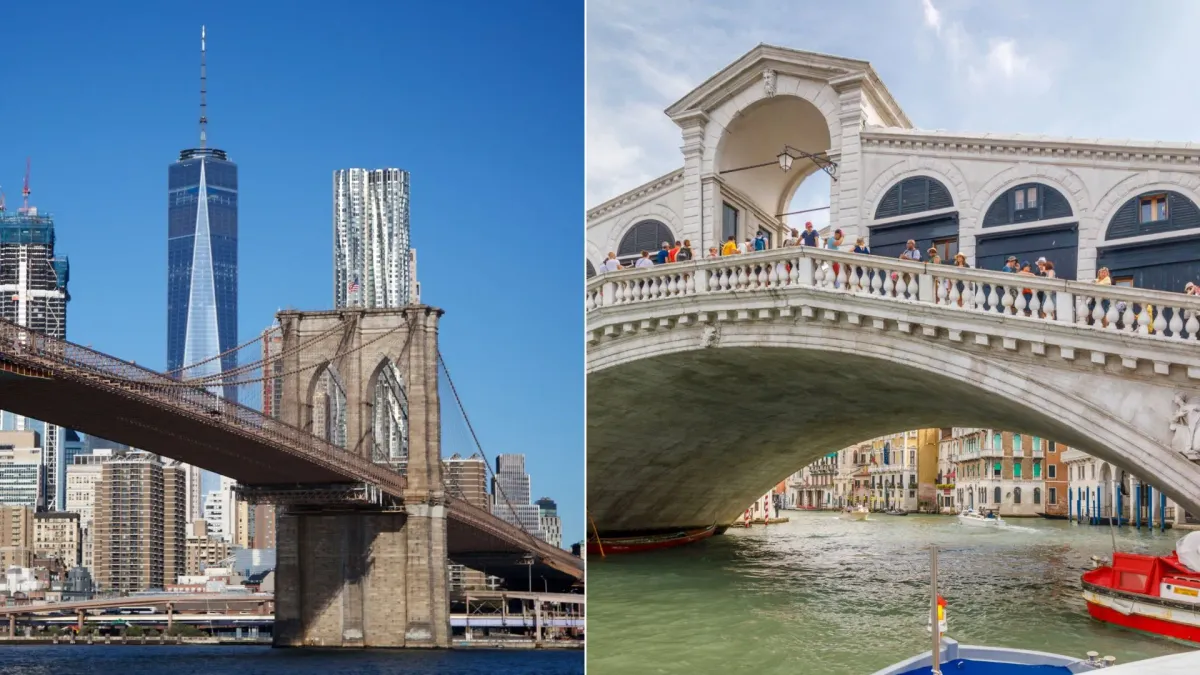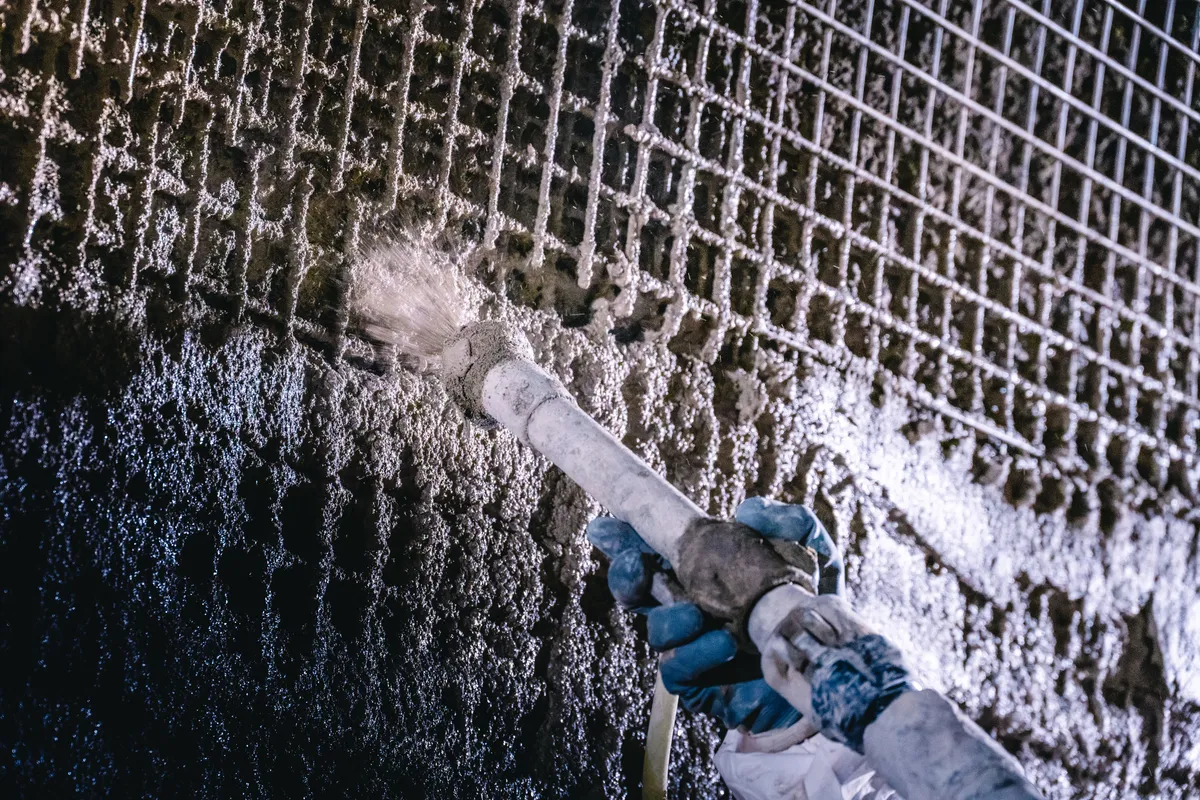
Turns out, the Romans weren't just good at conquering and building aqueducts; they were also low-key concrete wizards. Their structures still stand thousands of years later, which, if you think about it, is both impressive and slightly terrifying for modern architects.
MIT Associate Professor Admir Masic spent years poking and prodding ancient Roman concrete, trying to figure out its secret sauce. His big reveal? Beyond just being ridiculously strong, it had a built-in self-healing mechanism. Because apparently, that's where we are now: looking to people who wore togas for construction tips.
The Past, Present, and Future of Concrete
Masic wasn't content with just knowing the secret; he wanted to bring it back. So, in 2021, he co-founded DMAT. Their mission? To infuse modern concrete with this ancient wisdom. The result is an additive that makes structures last 50% longer while slashing CO2 emissions to a mere 40% of what traditional concrete spews out. Let that satisfying number sink in.
We're a new kind of news feed.
Regular news is designed to drain you. We're a non-profit built to restore you. Every story we publish is scored for impact, progress, and hope.
Start Your News DetoxDMAT's souped-up concrete is already being used in Europe for things like underground water tanks and road barriers in Italy and Switzerland. Soon, they're bringing this ancient-meets-modern magic to the U.S. Masic says their self-healing product is not only effective but also affordable and easy to use globally, aiming to become the industry standard without forcing anyone to reinvent the wheel (or the mixer truck).
How Roman Concrete Pulled Off the Impossible
Masic's team used fancy new tech to dissect the chemical makeup of ancient concrete and even visited Pompeii's well-preserved sites to get a real-world look at how the Romans did things. A 2023 study (partially funded by the Concrete Sustainability Hub, because even concrete needs a hub) finally revealed the trick:
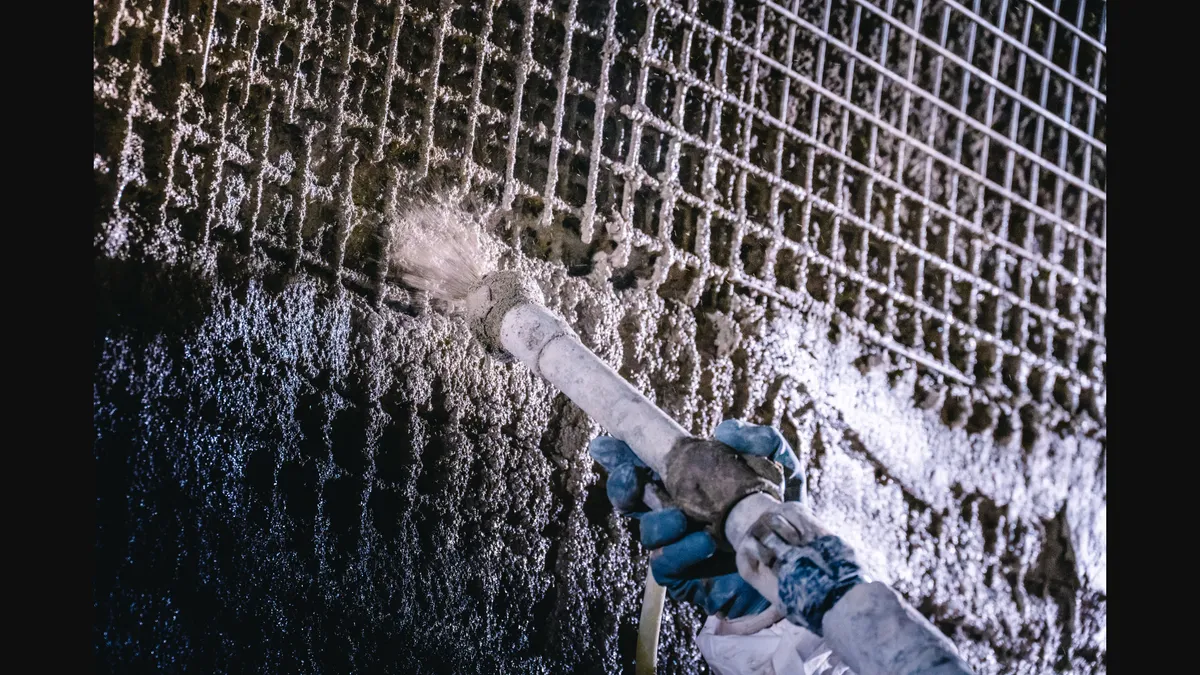
When Roman concrete cracks, tiny bits of calcium inside dissolve and then recrystallize, essentially patching up the damage from within. It's like your building has its own tiny, very slow, but incredibly effective first-aid kit.
Inspired, Masic's team developed new concrete mixes that mimic this, keeping calcium-rich lime clasts distributed throughout the material, just like the Romans did. After a year of testing, they confirmed that this technique dramatically improved the strength and durability of various concrete types. Which, naturally, led straight to DMAT and a partnership with Italian entrepreneur Paolo Sabatini.
Scaling Ancient Wisdom for a Modern World
DMAT has gone beyond the MIT license, developing their own tech and getting all the necessary safety and performance certifications in the EU. Paolo Sabatini, DMAT’s CEO, wisely points out that concrete is an "ecosystem." For a material to go mainstream, it needs to fit seamlessly into existing industry practices, considering everything from transport to price to certifications. No point having miracle concrete if no one can actually use it.
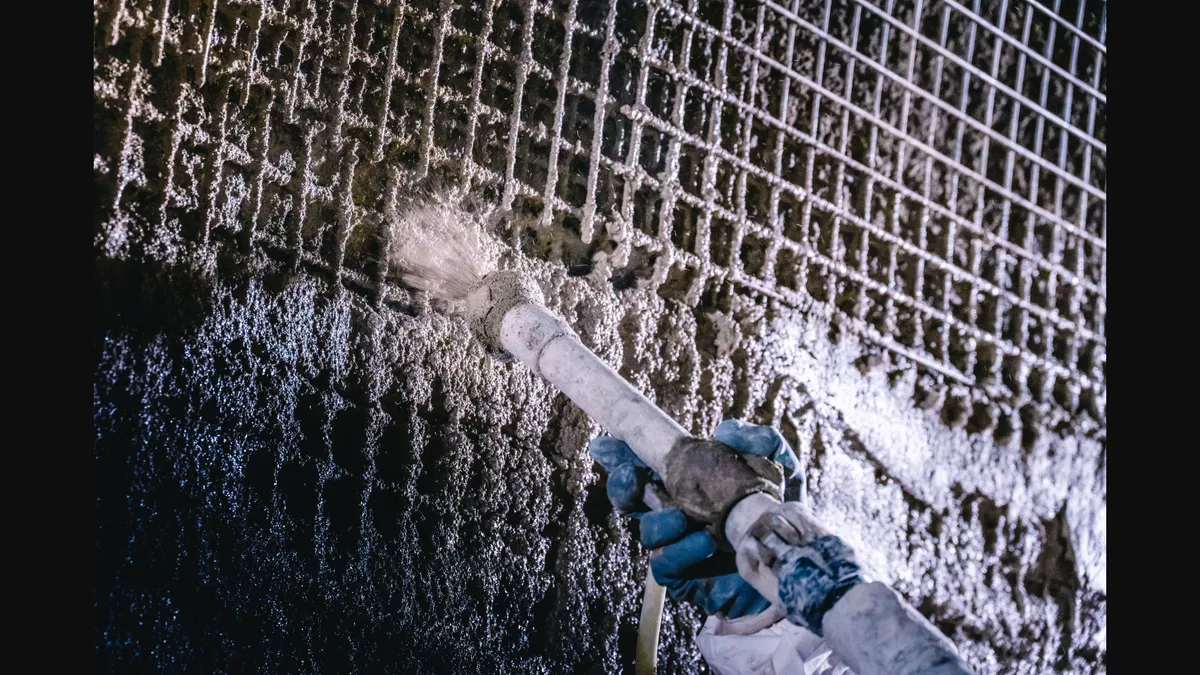
Today, DMAT sells additives to developers and concrete manufacturers, even offering ready-mix bagged mortars for structural repairs. They can customize mixes for specific projects, working with everyone from engineers to architects. The company spent its first few years not just perfecting the tech, but also building relationships and getting those crucial European certifications.
While other self-healing concretes use bacteria or polymers (which can be pricier and less familiar to the industry), DMAT's founders have refined their recipes using materials the industry already knows. This clever move positions them for significant growth. And that's a big deal, considering concrete is the most produced material on Earth and accounts for 5-8% of global CO2 emissions. If we can make it last longer, we build less, and emit less.
Masic finds it remarkable that ancient builders, without any modern chemistry, managed to create self-healing materials that still stand today. His work with DMAT isn't just about innovation; it's about making our future buildings better by learning the very best lessons from the past. And maybe, just maybe, making our buildings a little more like the Romans': impossible to tear down.