


Beavers don't just reshape landscapes—they reshape the entire community of creatures that depend on those landscapes. Two new studies from Europe show that when beavers engineer a wetland, bats arrive 1.6 times more often than they do at beaver-free streams, and they hunt there twice as frequently. Pollinator insects follow the same pattern: beaver-created ponds host 119% more individual hoverflies and 45% more butterflies per visit than human-made ponds nearby.
This matters because both bats and pollinating insects are under pressure. Habitat loss, climate change, pesticides, and disease have left them vulnerable. But a beaver dam, it turns out, is a kind of insurance policy for these species.
Why beavers become neighborhood anchors
Researchers working in Switzerland tracked bat activity across eight stream sections—half with Eurasian beavers, half without. The pattern was unmistakable. Bats are drawn to beaver ponds for the same reason humans might be drawn to a well-stocked kitchen: food and shelter. Standing deadwood—trees that remain upright after dying—accumulates around beaver wetlands. Bats roost in this deadwood, and the same dead trees attract beetles, gnats, flies, and moths. A beaver pond becomes a hunting buffet.
We're a new kind of news feed.
Regular news is designed to drain you. We're a non-profit built to restore you. Every story we publish is scored for impact, progress, and hope.
Start Your News DetoxThe pollinator story follows similar logic, but the mechanism is different. Beaver wetlands are dynamic ecosystems. The water level fluctuates, the shoreline shifts, and fast-growing plants colonize the disturbed areas. These plants reproduce quickly and flower abundantly, which is exactly what hoverflies and butterflies need. A Scottish research team compared three beaver-created wetlands with three human-built ponds in the same region and found the beaver sites outperformed the engineered ones across the board.
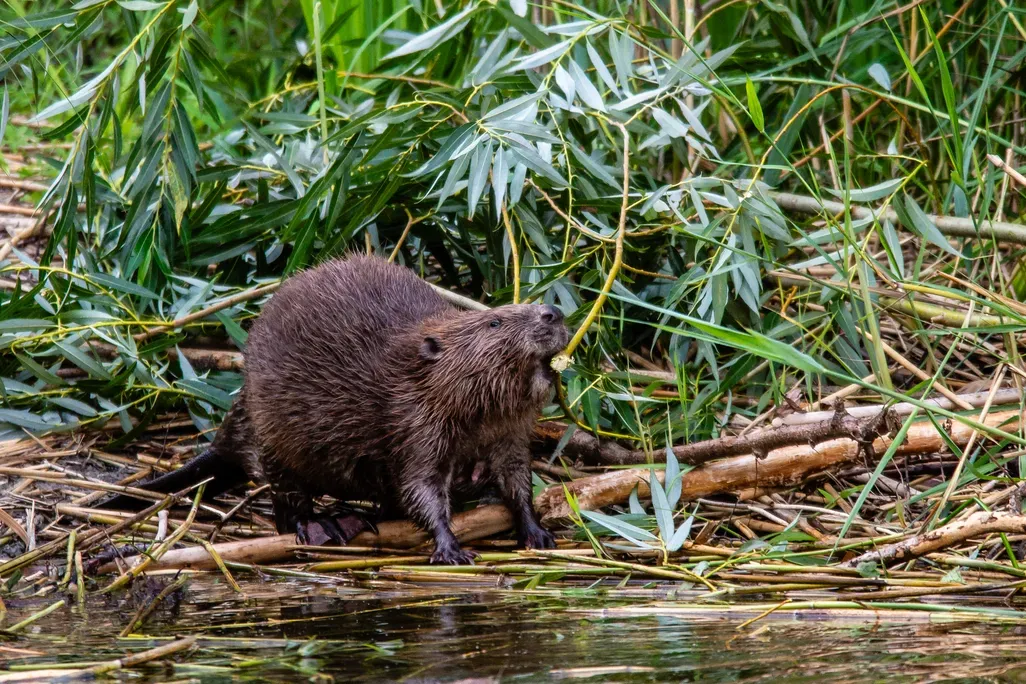
The difference isn't marginal. The beaver ponds hosted 29% more hoverfly species overall—a measure of ecological diversity—but also dramatically higher numbers of individual insects. That 119% increase in hoverflies isn't a rounding error. It's the difference between a pollinator desert and a pollinator haven.
The policy question ahead
The findings push toward an obvious conclusion: protect the beavers, and the rest follows. Nigel Willby, a freshwater scientist at the University of Stirling who co-authored the pollinator study, frames it plainly: "For every beaver dam removed, a beaver wetland dies, along with a multitude of attached benefits, including for pollinators."
Sometimes beaver dams do need removal—flooding concerns, infrastructure conflicts, legitimate land management reasons. But the researchers argue these should be exceptions. The United Kingdom government should consider financial incentives for landowners who tolerate beaver wetlands on their property, they suggest. In other words, pay people to let beavers work.
This is already happening in pockets of Europe. Beaver populations, once hunted to near extinction, are rebounding in Switzerland, Scotland, and elsewhere. As they spread, the ecological effects ripple outward—not just to the obvious water dwellers, but to the creatures in the air above the ponds. The bats and butterflies arrive quietly, following the signal of a restored wetland. The question now is whether policy can catch up to the science.





