

Obesity in your dog. Cancer in wild whales. Diabetes in livestock. A new review suggests chronic diseases are quietly spreading across the animal world—but we're barely tracking it.
Researcher Antonia Mataragka from the Agricultural University of Athens noticed something unsettling while reviewing the literature: signals of chronic, non-communicable diseases appearing more frequently in pets, farm animals, wildlife, and aquatic species. The pattern was there. The data wasn't.
"In humans, we have large standardized systems tracking these diseases," Mataragka explained. "For animals, we're working from small, isolated studies using different methods and different definitions." It's like trying to spot a trend from scattered snapshots instead of a continuous video.
We're a new kind of news feed.
Regular news is designed to drain you. We're a non-profit built to restore you. Every story we publish is scored for impact, progress, and hope.
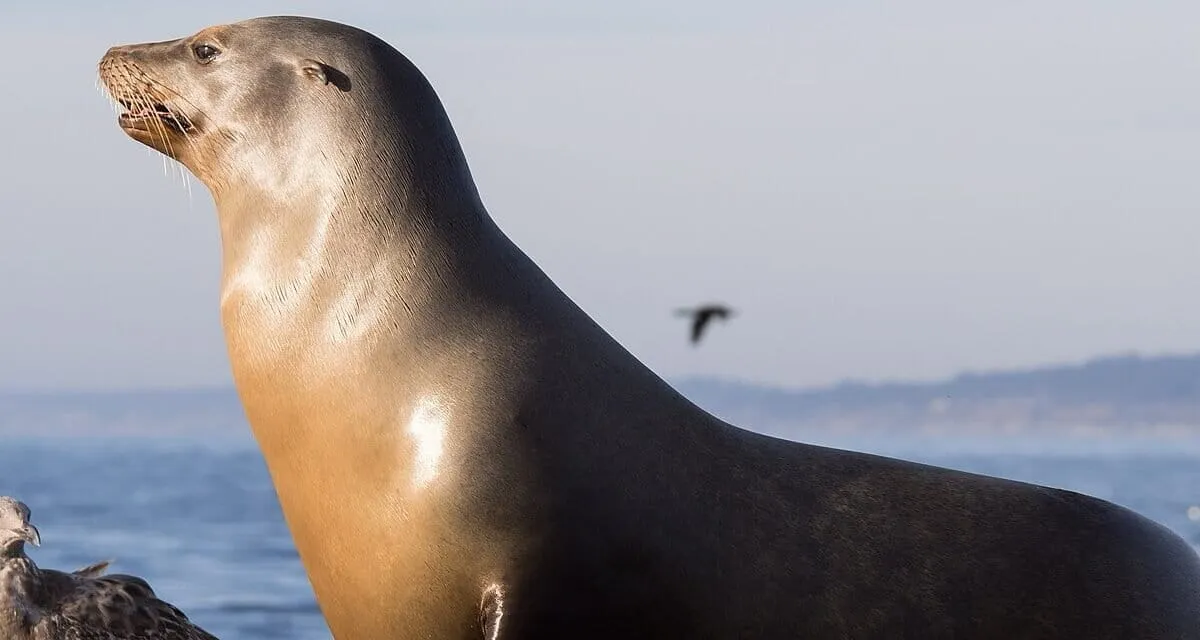
Start Your News DetoxOver the past two decades, the review found obesity, diabetes, and kidney disease have increased noticeably in companion animals like dogs and cats. Livestock—cows, pigs—show rising rates of metabolic disorders, osteoarthritis, and fatty liver disease. Wildlife tells a darker story: beluga whales with gastrointestinal and mammary cancers, California sea lions with urogenital carcinoma, raccoons with elevated blood sugar, green sea turtles developing fibropapillomatosis (tumoral growths that disfigure and disable them).
What's striking isn't just the diseases themselves. It's that we notice them almost by accident. A veterinarian treats a sick pet. A marine biologist documents a whale's condition. A wildlife rehabilitator sees an injured raccoon. These observations don't feed into any unified system. No one's connecting the dots.
Mataragka's team suspects human-driven environmental changes are behind much of this. Pollution, habitat loss, dietary shifts, stress from captivity or human proximity—these are the usual culprits in chronic disease. But without coordinated tracking, it's impossible to say which diseases are truly emerging, which are just newly noticed, and which are actually declining.
The research gap matters because chronic diseases in animals can signal broader ecological problems. A whale population developing cancer might indicate pollution or nutritional stress. Widespread metabolic disease in livestock could point to intensive farming practices that need rethinking. Even obesity in pets reflects human choices about animal care.
The next step is obvious but difficult: standardize how we track and define chronic diseases across animal species and populations. It would require veterinarians, wildlife researchers, and farm animal scientists to speak the same language about diagnosis and data collection. It would mean investing in monitoring systems that currently don't exist. But without it, we're watching a potential crisis unfold in the dark.





