The Mekong River holds over 1,000 fish species — a freshwater abundance matched nowhere else on Earth. But the rhythm that sustains them is breaking.
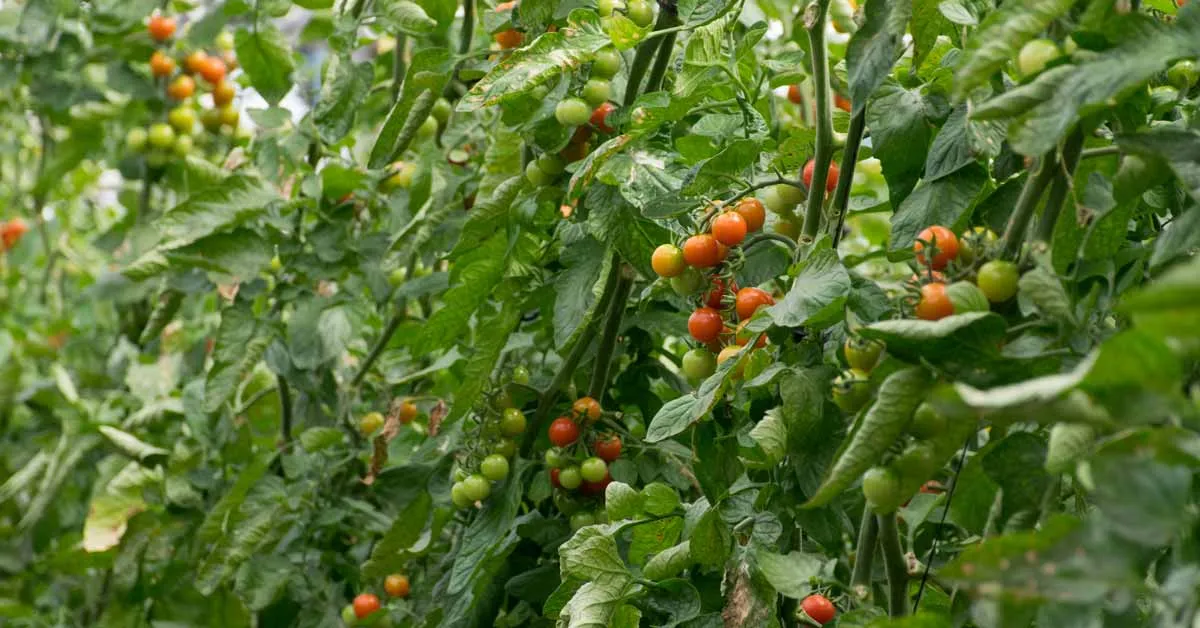
For millennia, these fish have lived by the monsoon's pulse. The annual flood arrives, waters rise, habitat expands, and fish spawn in sync with the season. The Tonle Sap Lake, Cambodia's vast inland sea, swells each year into a nursery ground that feeds the whole system. Except the monsoons aren't arriving on schedule anymore.
Climate change is scrambling the timing and intensity of Southeast Asia's rains. Some years the Tonle Sap fails to expand as it once did, collapsing the nursery before young fish can grow. The critically endangered Mekong giant catfish and giant barb — species that depend on these migrations — have no backup plan. They've evolved for a predictable flood. They didn't evolve for chaos.
We're a new kind of news feed.
Regular news is designed to drain you. We're a non-profit built to restore you. Every story we publish is scored for impact, progress, and hope.
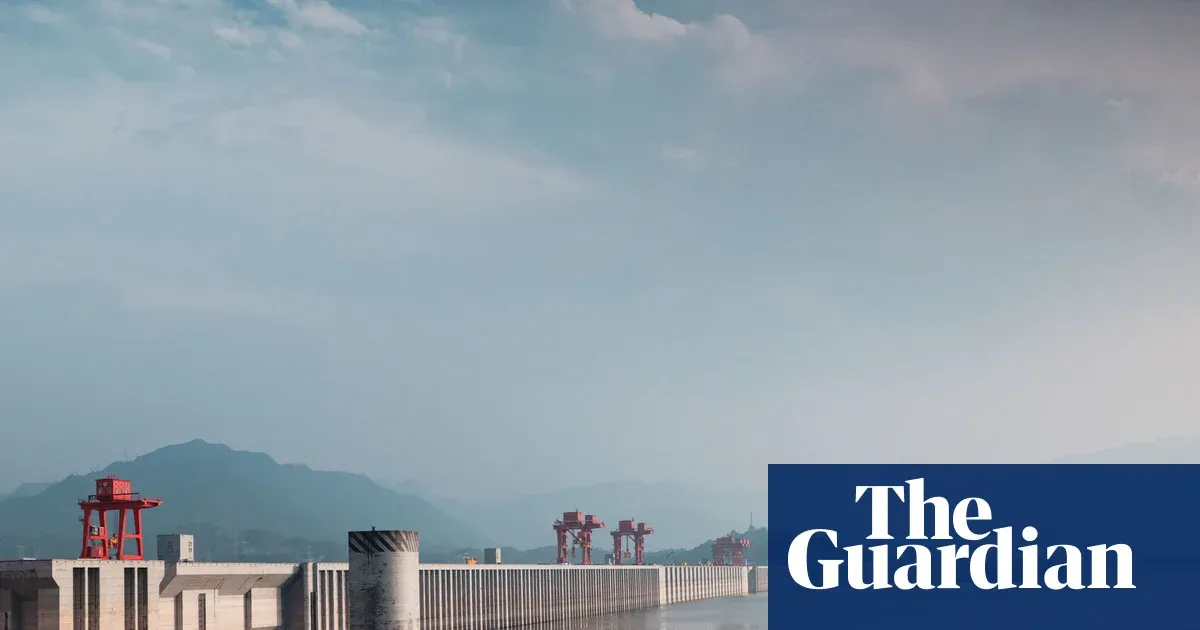
Start Your News DetoxAnd that's just the climate piece. Upriver dams now regulate water flow, adding artificial fluctuations on top of erratic rainfall. Pollution clouds the waters. Overfishing removes breeding adults. Each stressor alone would reshape the ecosystem. Together, they're creating conditions no one fully understands yet.
"Climate change is a great unknown," says Zeb Hogan, a biologist at the University of Nevada, Reno who studies Mekong fish. "We don't fully understand how these different stressors are interacting and what the cumulative impacts will be on freshwater fish populations."
What makes this urgent isn't just the loss of species — though that matters. The Mekong's fish feed 60 million people. They're not a luxury. They're survival protein for rural communities that have no other reliable source. As populations crash, so does food security for some of the world's most vulnerable regions.
Researchers are beginning to map how climate change will reshape freshwater ecosystems globally, not just in Southeast Asia. Lakes in Africa are warming faster than their oceans. Rivers in Europe are running lower and hotter. Fish that need cold water are running out of places to hide. The pattern is consistent: climate change doesn't just add stress. It removes the predictability that evolution spent millions of years building into these systems.
What happens next depends partly on how quickly emissions fall — and partly on decisions being made right now about dam management, fishing regulations, and pollution control. The Mekong's fish can't wait for perfect clarity. They're already living the uncertainty.