

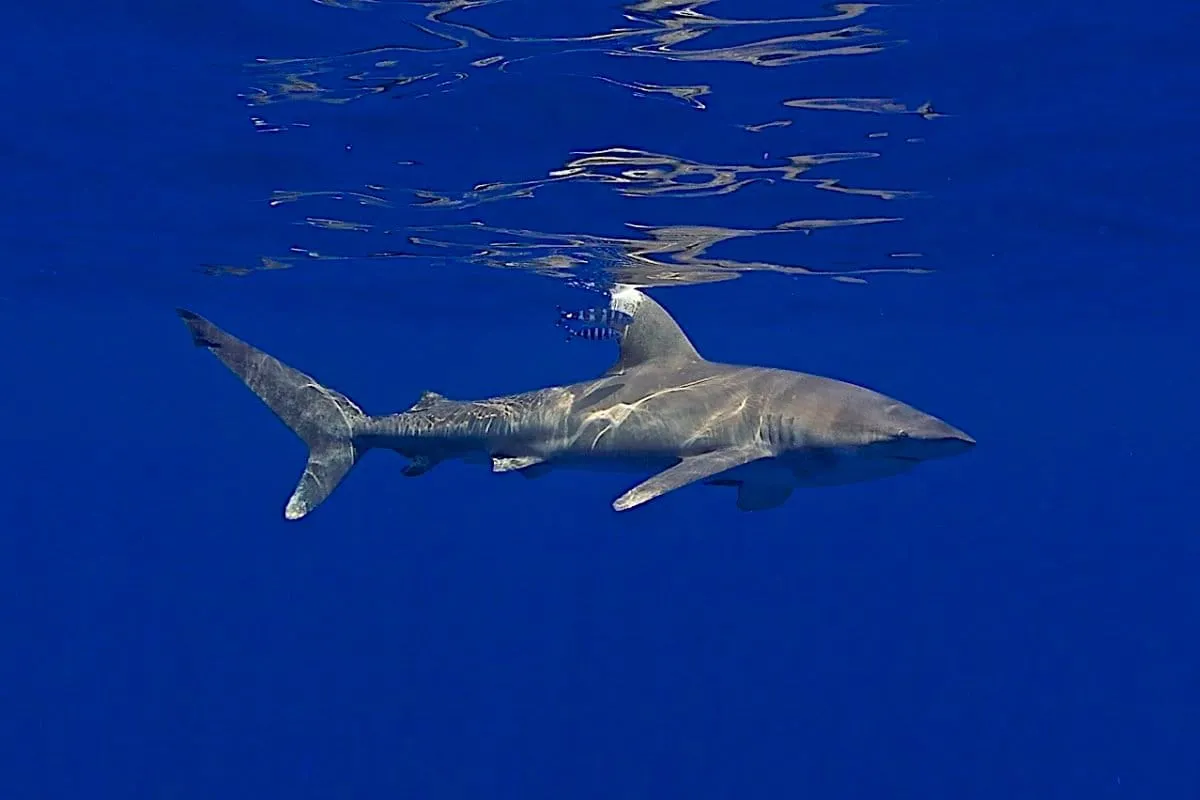
Sharks have survived five mass extinctions. They might not survive us. About one-third of all shark species assessed by conservation scientists are now threatened with extinction, hunted primarily for their fins and bodies through sprawling international trade networks that span continents.
But something unexpected happened when countries started treating sharks as a serious conservation problem. It worked.
In recent years, dozens of shark species have been added to CITES—the Convention on International Trade in Endangered Species—under Appendix II, which allows trade as long as it's monitored and proven sustainable. A paper published this year found that the policy sparked real change: nearly half of all CITES signatory nations overhauled their shark fisheries management, about a quarter strengthened monitoring and enforcement, and countries that previously had zero shark protections introduced strong conservation measures for the first time.
We're a new kind of news feed.
Regular news is designed to drain you. We're a non-profit built to restore you. Every story we publish is scored for impact, progress, and hope.
Start Your News Detox"These results show that CITES has driven countries who catch and trade sharks internationally, and who previously had no national fisheries management or trade regulations, to implement legislation," the researchers noted. It's the kind of institutional pressure that actually moves governments.
The problem with "regulated" trade
Here's the catch: Appendix II might not be enough for the sharks closest to the edge.
The listing allows regulated fishing and trade. For many species, even that limited pressure is too much. Sharks reproduce slowly—some species don't breed until their teens and have only a handful of pups at a time. A population that can sustain a 5% annual catch rate might collapse under 10%. Once you're fishing them, there's almost no margin for error.
Sonja Fordham, president of Shark Advocates International, puts it plainly: "Appendix II is not protective enough for the most threatened shark species. These animals simply can't withstand any significant fishing pressure."
Conservationists are now pushing for the most endangered species to move to Appendix I—a complete ban on commercial trade. It's the strongest protection CITES offers, and for animals this close to extinction, it might be the only realistic option.
The next CITES meeting is scheduled for 2026. That's the moment when countries can decide whether to extend Appendix II's proven success or admit that some species need the harder line. For creatures that have outlasted dinosaurs, the question now is whether we'll give them the protection they need to outlast us.





