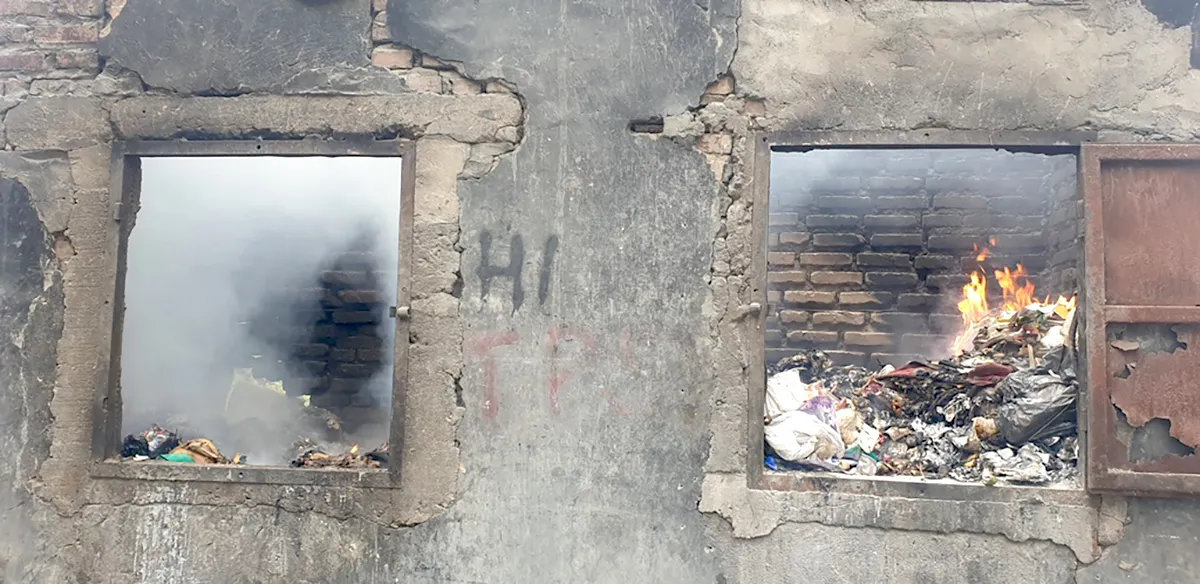
Sapariah "Arie" Saturi grew up choking on smoke. During the dry seasons of the 1990s, fires burned for weeks across West Kalimantan, turning the sky grey and stinging eyes so badly that children just learned to live with it. Masks weren't common. The haze was just the season, the way things were.
Now managing editor of Mongabay Indonesia, Arie has moved to Jakarta—a different kind of environmental crisis. The city sinks slowly into its own ground while traffic clogs the streets and chemical-tinged air hangs overhead. The problems are different in form but not in substance: development extracting its price, paid by the people breathing it in.
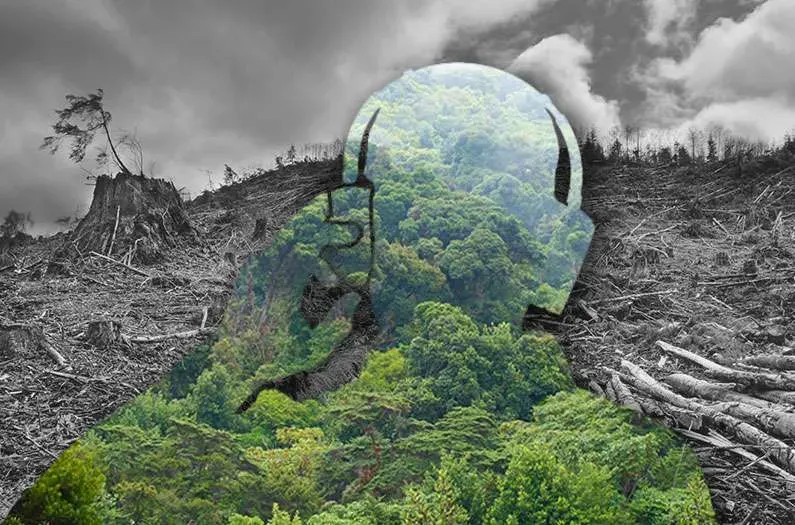
Arie's life traces a line through Indonesia's environmental story. She grew up watching timber, palm oil, and mining operations reshape West Kalimantan's landscape. The Kapuas River, where she spent her childhood, runs through a region transformed by industrial demand. What she witnessed wasn't abstract—it was the thickness in her lungs, the dulled colors, the weeks when the world simply disappeared into smoke.
We're a new kind of news feed.
Regular news is designed to drain you. We're a non-profit built to restore you. Every story we publish is scored for impact, progress, and hope.
Start Your News DetoxIndonesia sits at the center of some of the planet's most pressing environmental questions. The country holds the world's third-largest tropical rainforest across more than 17,000 islands. That scale matters. When fires burn in Kalimantan, the smoke reaches Malaysia and Singapore. When forests fall, global carbon cycles shift. When rivers change, millions of people's water and food security shifts with them.
For Arie and millions of other Indonesians, these aren't statistics. They're the air quality on your commute, the water you drink, the ground that's slowly sinking beneath your home. Environmental impact becomes personal when it's your childhood memory and your present-day reality.
On weekends, Arie tends a small garden in a nearby village—mint and chiles growing in soil she controls. It's a small counterpoint to the larger forces reshaping her country, a space where she can nurture something rather than just document its decline. That garden sits at the intersection of her two lives: the girl who survived the haze, and the journalist documenting what comes next.