Three rangers move through steep bamboo thickets in central Thailand, tracking the muddy hoofprints of a sambar deer. They're following a path a tiger might take—one of roughly 300 to 350 tigers left in the country, down from around 1,000 in the 1950s. But this isn't a search for a single animal. It's a search for evidence that a protected corridor is working.
Two kilometers down a forested ridge, the team from Panthera, a wildcat conservation organization, checks camera traps they've installed in Si Sawat, a protected forest area that acts as a bridge between two larger wildlife sanctuaries. In early 2024, one camera captured a female Indochinese tiger moving through this corridor—the first time she'd been detected anywhere. Today, the memory cards show leopard cats, Asian golden cats, porcupines. No tigers. Yet the team isn't discouraged. The tiger may have moved south into Salakpra Wildlife Sanctuary, which is exactly what this corridor is designed to enable.
Why corridors matter more than you might think
For decades, Thailand's tiger population collapsed. Habitat loss, poaching, and fragmentation—forests broken into isolated patches—made survival nearly impossible. By the early 2000s, only about 150 tigers remained. Then something shifted. Conservation efforts began to take hold, and the latest survey in 2022 found the population had roughly doubled to 300-350 individuals.
We're a new kind of news feed.
Regular news is designed to drain you. We're a non-profit built to restore you. Every story we publish is scored for impact, progress, and hope.
Start Your News DetoxThe breakthrough wasn't just about protecting large wildlife sanctuaries. It was about connecting them. Tigers need vast territories to hunt and find mates. When forests become fragmented, populations become trapped, vulnerable to inbreeding and collapse. Corridors—strips of protected forest linking larger reserves—solve this problem by letting tigers move freely across the landscape.
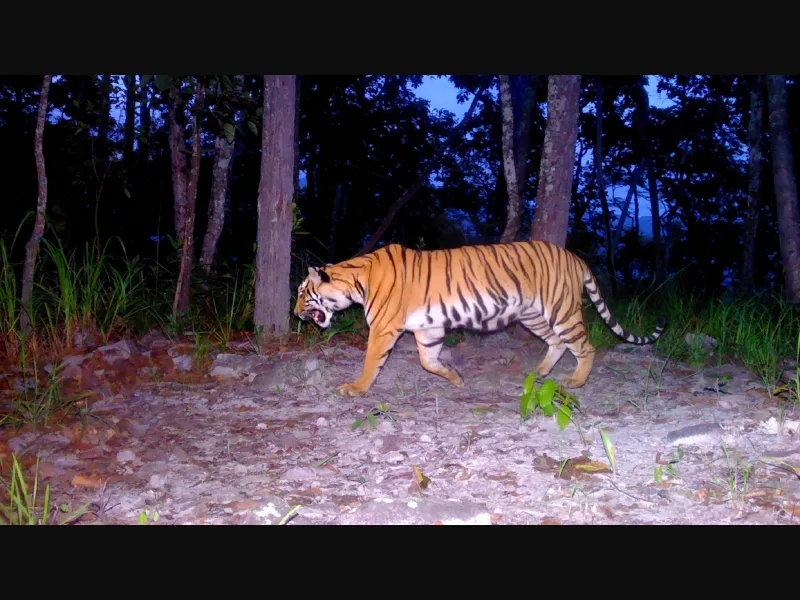
In 2021, the Thai government designated Si Sawat as a protected forest area, banning logging, mining, and development. It's a small corridor—perhaps large enough to support only four tigers at most—but its role is outsized. "Corridors are essential for tigers," said Rungnapa Phoonjampa, Panthera's Thailand country director. "They need large landscapes to roam and find mates. Protecting these linkages is crucial for the long-term survival of the species."
This move was part of a broader national strategy. Thailand aims to safeguard 70% of its land area as natural forest by 2037, a commitment that reflects a fundamental shift in how the government views conservation. It's not just about saving one species. Protected corridors sustain entire ecosystems—the leopard cats, golden cats, porcupines, and countless other species that depend on connected forests.
The rangers heading back down the ridge keep watching for fresh tiger tracks. They may not find them today, but the fact that Si Sawat is now legally protected means tigers have somewhere to go. With habitat fragmentation reversing and populations beginning to rebound, Thailand's tigers are no longer confined to a shrinking past.