In Peru's Alto Mayo Basin sits a wetland that shouldn't exist—a swamp 1,500 meters above sea level, with Amazonian forest thriving where it has no business being. The Tingana Conservation Concession sits at the center of it, a pocket of flooded forest where moriche palms and fig trees resist the pressure of expanding rice paddies. Since 2004, a local association called Adecaram has managed this reserve. In 2023, they added a new tool: eight camera traps scattered through the forest.
"The cameras are our eyes in the forest," says Julio César Tello, head of research at Adecaram. "They are eyes that warn us and give us information."
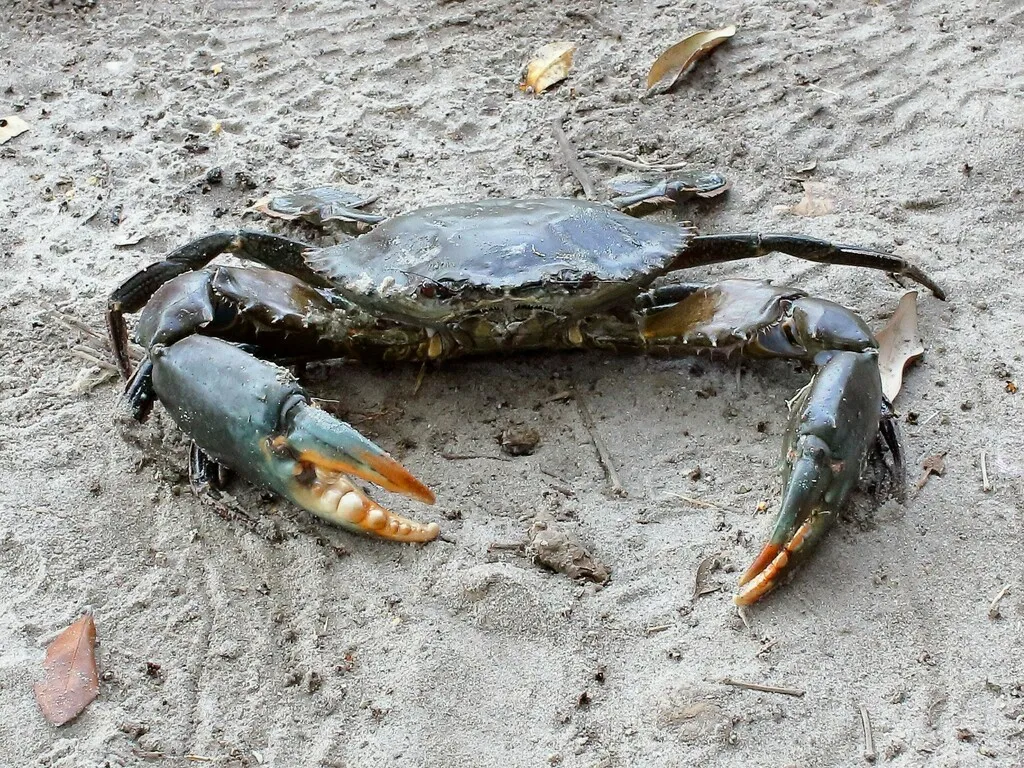
Over two years, those eyes have seen what the community suspected but couldn't prove. The cameras recorded 66 species moving through the reserve—including jaguarundi and margay wildcats, neotropical otters, capybaras, and a razor-billed curassow, a bird locals thought had vanished entirely from the region. The data, collected in partnership with Conservation International Peru, has quietly rewritten the scientific record of what lives here.
We're a new kind of news feed.
Regular news is designed to drain you. We're a non-profit built to restore you. Every story we publish is scored for impact, progress, and hope.
Start Your News DetoxFrom monitoring to movement
But the camera traps have done something beyond expanding a species list. The images have become a bridge between the forest and the world beyond it. Tourists now come to the region specifically to see these animals in their habitat—not in a zoo, not in a nature documentary, but here, in the flooded forest where they actually live. That visitor interest has created economic incentive for the families managing the reserve. Protection becomes profitable. Habitat preservation becomes a job.
"Camera trapping has been one of the most important tools for monitoring the biodiversity of the Tingana Conservation Concession," says Dino Cabrera, the Adecaram project director. The images have raised awareness among local communities about what they're protecting and why. They've also generated the kind of external support—funding, scientific collaboration, tourism revenue—that keeps a conservation effort alive when government resources are thin.
What started as a practical monitoring tool has become something more: proof that a community-led approach can work. Adecaram didn't wait for a university research team or an international NGO to tell them what mattered. They identified the problem, sourced the technology, and generated the evidence themselves. The camera traps are expanding—more are planned—and the model is already drawing attention from other conservation groups in the region looking to do something similar.