You’ve arranged the sofa, hung the art, and your space still feels… blah. Like it’s actively resisting your attempts at relaxation. Before you reach for your wallet and consider another throw pillow, stop.
Turns out, your home's vibe might not be a furniture problem at all. According to designer Lauren Lerner, most of us obsess over what we see and completely forget about what we feel: light, scent, and sound. These aren't just background noise; they're the silent architects of your mood.
Chloë Bean, a trauma therapist, explains it simply: your body is constantly reading the room. And if that room is throwing off chaotic signals, you're getting overstimulated without even knowing it. Conversely, a few tweaks can cue your brain to chill out.
We're a new kind of news feed.
Regular news is designed to drain you. We're a non-profit built to restore you. Every story we publish is scored for impact, progress, and hope.
Start Your News DetoxLet There Be Light (Seriously)
Natural light is the original mood ring, and it’s gloriously free. It’s the unsung hero that tells your body when to wake up, when to wind down, and generally keeps your internal clock from running on existential dread. Winter got you feeling like a deflated balloon? Blame the lack of photons.
To invite more of the good stuff, consider sheer linen curtains – they soften the afternoon glare without making your home feel like a cave. Or, the classic mirror trick: place one across from a window to bounce that precious sunlight deeper into the room. Because, why have one window when you can have two, functionally speaking?

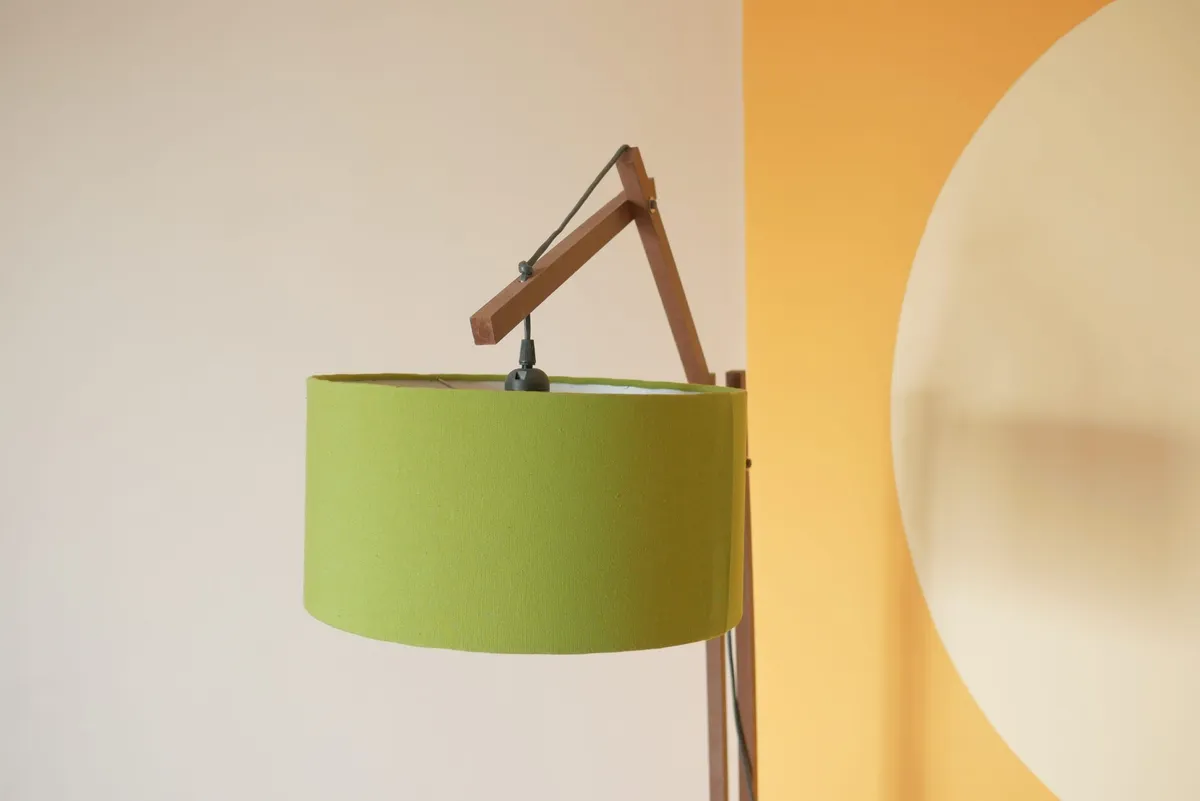
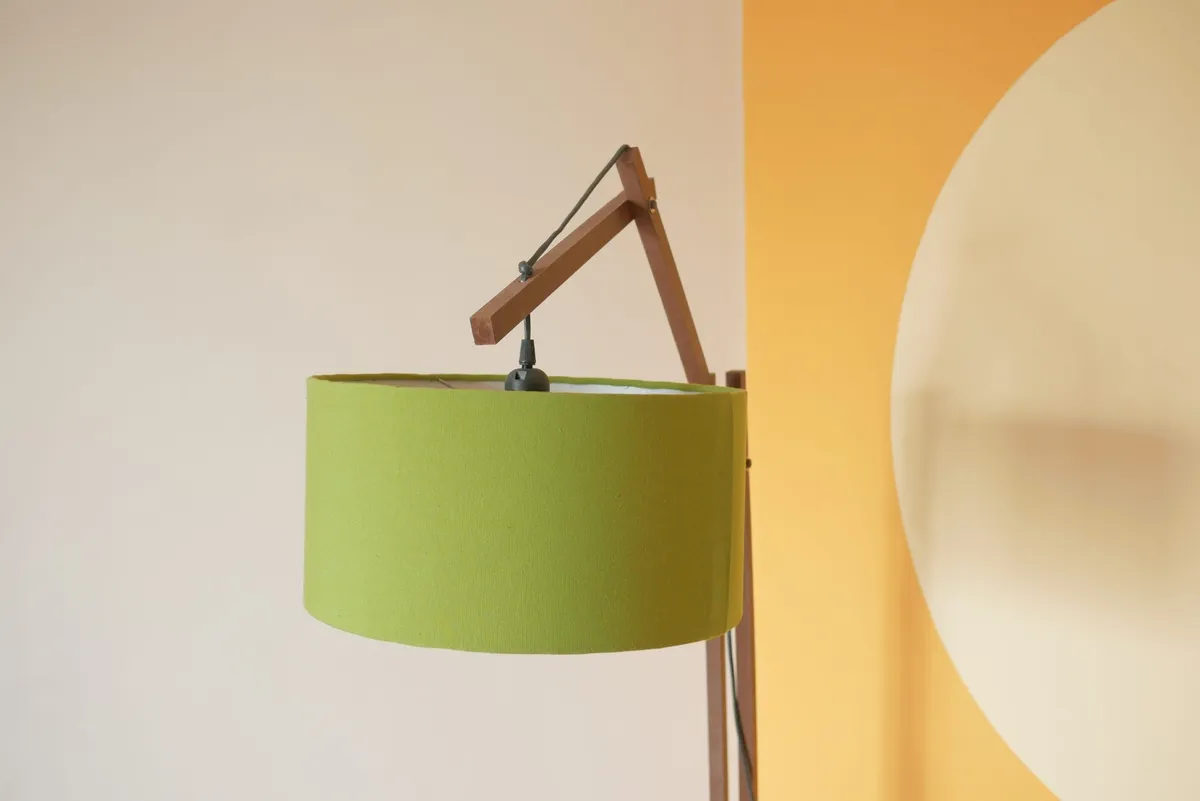
For those cloudy days or evenings, ditch the single, harsh overhead light. Think layers. Mix overhead fixtures with floor and table lamps, ideally with warm-toned bulbs. The goal is to avoid that single, glaring light that makes every room feel like a waiting area at the DMV.
And if you’re still feeling sluggish, a light therapy box can be a surprisingly effective alarm clock for your brain, signaling alertness much like the sun does. Therapist Jillian Amodio notes it can “restore hormonal balance, release feel-good chemicals in the brain, and regulate natural cycles.” Which is a fancy way of saying it helps you remember what “feeling like yourself” actually feels like.
The Invisible Comfort Blanket
Scent is personal, and that’s its superpower. As Bean points out, familiar, pleasant scents create “a greater sense of ease and safety in the body.” Think lavender, chamomile, sandalwood, vanilla for calm. Citrus, eucalyptus, peppermint for a kick of energy. Pick your potion based on your current existential needs.

How you deliver that scent matters, too. Interior designer Pamela Stang is a fan of cold-air diffusers over candles – consistent scent, zero fire hazard. They even make tiny portable ones, or, for the truly committed, systems that hook into your HVAC. Lerner, on the other hand, prefers the subtle, set-it-and-forget-it nature of reed diffusers. Because sometimes, even your scent delivery system needs to be low-maintenance.
The Sound of Silence (But Not Really)
Silence can be deafening, and not in a good way. It can make you feel on edge, like you're waiting for something to happen (or not happen). The most soothing sounds, according to Bean, are “gentle, rhythmic, and predictable.” Rain, ocean waves, birdsong, white noise, a fan, or just soft ambient music. They give your mind a steady anchor, a gentle hum to focus on when stress tries to creep in.
And here’s a pro tip for your ears: your room's surfaces are affecting how it sounds. Hard materials like tile, stone, and glass bounce sound around, turning your peaceful abode into an echo chamber. Rugs, drapes, and upholstered furniture are your secret weapons here; they absorb ambient noise, making the room feel quieter and, by extension, calmer. No need to rearrange the feng shui, just add a rug.
None of this requires a shopping spree or a design degree. It's about noticing the invisible forces at play in your home and making a few subtle adjustments. Because sometimes, the best home refresh isn't about what you buy, but what you breathe and hear.