
Archaeologists in Třebíč, a historic town in Moravia, Czech Republic, have just finished a three-year excavation that uncovered something rare: an entire medieval settlement frozen in time, complete with the everyday objects that tell you how people really lived 900 years ago.
Beneath the squares of Třebíč's old town center, researchers found a bakery, a blacksmith's workshop, areas for processing timber and drying millet, and what was likely a stable. This wasn't a random collection of ruins. It was evidence of a self-sufficient town that knew how to organize itself—bakers making bread, metalworkers forging tools, farmers preparing grain. The kind of place where someone had to think about what came next.
What the Broken Pieces Tell Us
Archaeologist Aleš Hoch, who led the dig, explained how even the smallest finds matter. "This is typical pottery from the beginning of the 13th century," he said, holding up a shard. "It was 'modern' for only about thirty or forty years. It came and then quickly went out of fashion again. So it helps us date the layers very well based on such an ordinary shard."
We're a new kind of news feed.
Regular news is designed to drain you. We're a non-profit built to restore you. Every story we publish is scored for impact, progress, and hope.
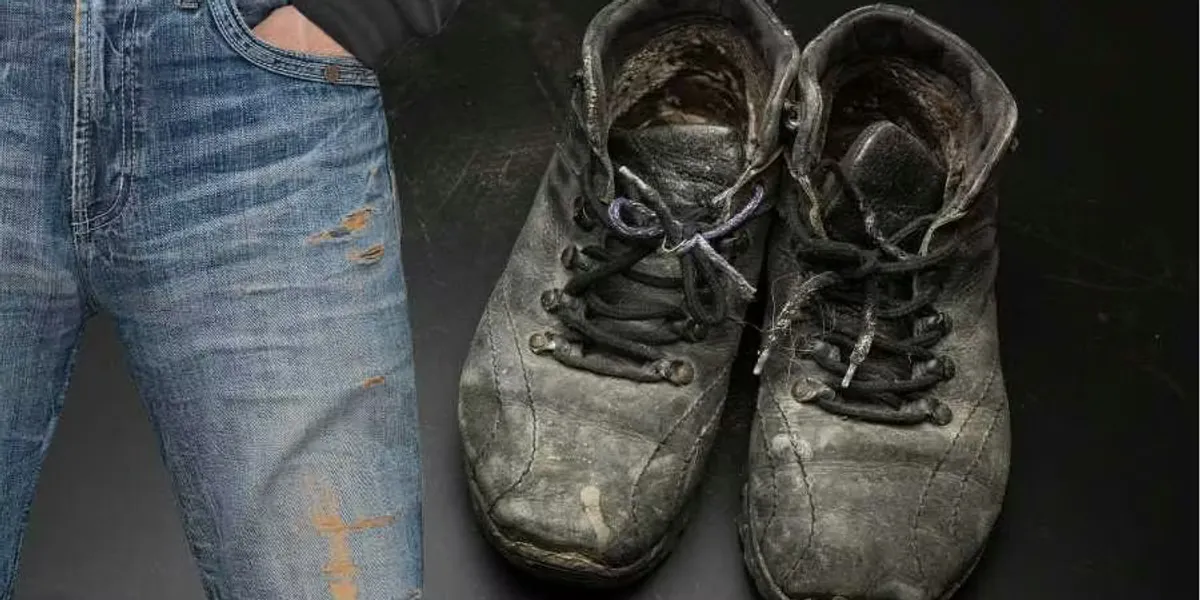
Start Your News DetoxBut the most striking discovery wasn't ordinary at all. Researchers found the upper part of a shoe decorated with pure gold motifs—the kind of footwear that only the wealthiest people would have worn. "We know only a few pieces from Wrocław in Poland; otherwise they're not well known in Europe," Hoch noted. "But if you look at period books and illuminations, such ornate footwear was worn only by the elite."
That's significant because finding evidence of wealth and social hierarchy in medieval Moravia is uncommon. It suggests Třebíč wasn't just a working settlement—it was important enough to attract people with resources.
A Town with Political Weight
The artifacts also hint at Třebíč's role beyond its own walls. Researchers believe the town may have been under the control of Znojmo, another South Moravian town, until around the 1220s, and may have housed an administrator responsible for managing the surrounding area. Human remains discovered during the excavation suggest the town even carried out executions—a grim reminder that medieval life included hierarchy, justice, and punishment.
All of these findings are now part of the permanent collection at Třebíč Museum, available for future researchers and curious visitors. The excavation team is now investigating where the materials came from to build the medieval structures—tracing sources of graphite and stone—which should reveal even more about the trade networks and resources that kept the town functioning.