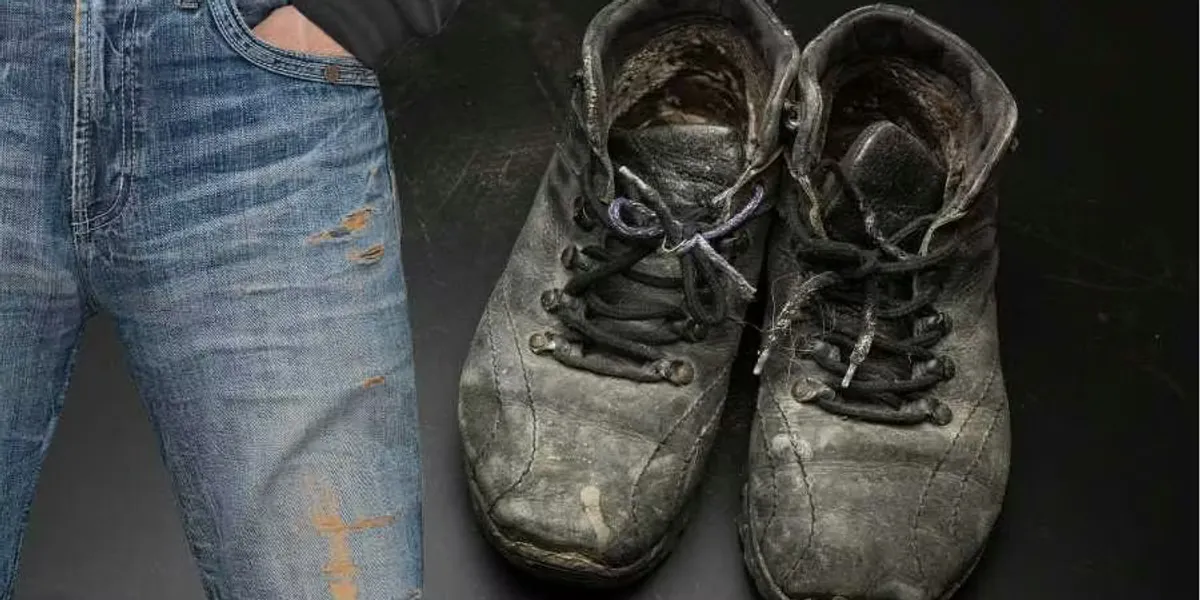

Sergio Castro Martínez arrived in Chiapas in 1964 with a veterinarian's license, an engineer's training, and a willingness to walk. For decades, he walked across the mountains of southern Mexico—treating burns with veterinary knowledge, building schools with his own hands, learning Mayan languages not from textbooks but from the communities he served.
Castro was born in an orphanage in northern Mexico and trained himself across four professions before settling in Chiapas, a state rich in natural resources but economically marginalized, where indigenous Maya people make up a significant portion of the population. He quickly saw what the Mexican healthcare system had failed to see: that indigenous communities were being left behind, often because of systemic racism embedded in how services were delivered.
So he became a fixture in the highlands. Local people called him "El Andalón"—The Walker—because he covered such vast distances on foot. In Tzotzil, the Mayan language spoken throughout the region, they called him "YokChij," which means Deer Leg. The name stuck, eventually becoming the title of his charitable organization.
We're a new kind of news feed.
Regular news is designed to drain you. We're a non-profit built to restore you. Every story we publish is scored for impact, progress, and hope.
Start Your News DetoxA Museum Built from Presence
By the 1970s, Castro had begun collecting objects that told the story of Chiapas' indigenous cultures. He converted part of his San Cristóbal home and clinic into a museum, filling it with textiles, tools, and artifacts that documented ways of life that were disappearing or being overlooked. He gave tours in Spanish, Tzotzil, Tzeltal, and several European languages—meeting visitors in whatever language made them most comfortable.
The museum wasn't a grand institution. It was a home that became a window. For over 50 years, it remained a quiet testament to one person's refusal to accept that indigenous knowledge and culture were less worthy of preservation than anything else.
In 2023, at an age when most people have long retired, Castro was officially recognized by Chiapas state as "Living Immaterial Heritage." The museum still stands in San Cristóbal de las Casas. Visiting it may look different now—tours may no longer be guaranteed—but the collection remains, a record of a man who learned that the most important work often happens in the spaces between official systems, one conversation at a time.