Africa has 600 million people without access to electricity. That's roughly the population of the entire European Union living without power. The scale of the problem is staggering—but so is the opportunity, according to one economist who's been mapping a path forward.
The conventional thinking goes like this: industrialize first, clean up later. Build factories and mines, attract investment, upgrade the grid. But there's a catch. That approach leaves behind the people whose livelihoods depend on coal mines and oil fields. It also sidesteps a harder question: how do you make the transition fair for everyone affected.
This tension played out recently at COP30 in Brazil, where delegates approved the Belém Action Mechanism (BAM)—a framework meant to guide a "just transition" away from fossil fuels. The agreement nods toward protecting workers' rights and supporting Indigenous communities. It even calls for more grants instead of loans to ease the shift. But it stopped short of committing to a timeline for phasing out coal, oil, and gas entirely.
We're a new kind of news feed.
Regular news is designed to drain you. We're a non-profit built to restore you. Every story we publish is scored for impact, progress, and hope.
Start Your News Detox"To make the just transition happen we need public finance backing, systemic economic reform, and a clear roadmap to end fossil fuels," said Friederike Strub, a climate finance campaigner at the Netherlands-based nonprofit Recourse. The framework is a start, but it's incomplete.
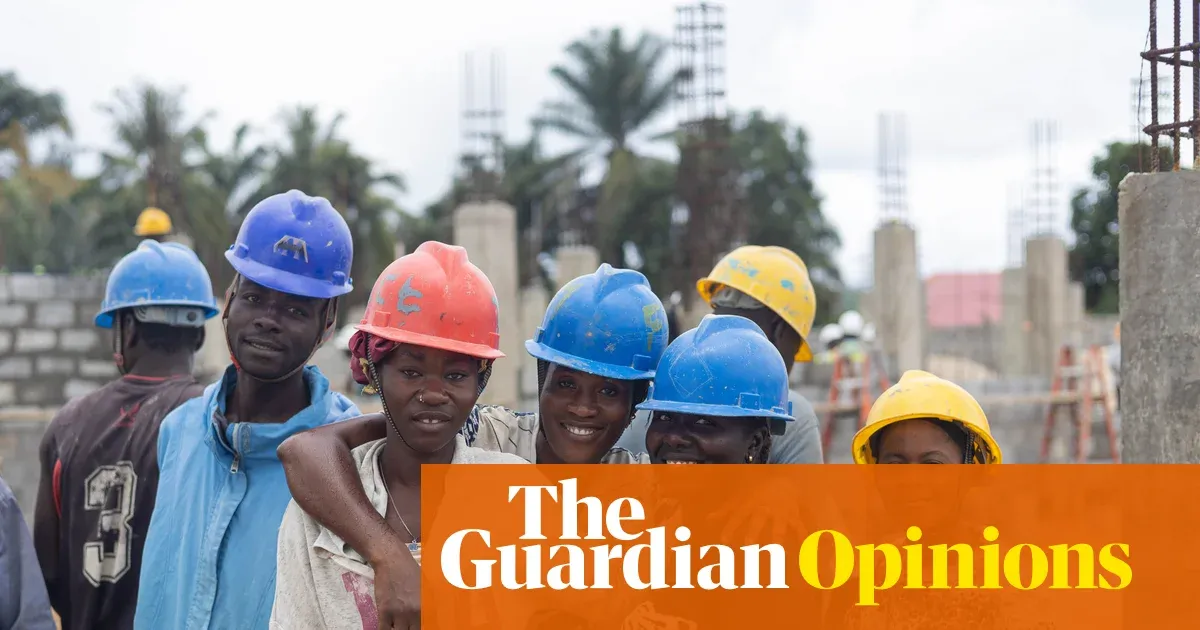
Into this gap steps an economist with what he calls "the bargain of the century"—a more ambitious vision for rapidly expanding clean energy across Africa. The plan targets those 600 million people currently without power, but it's not just about wiring homes. It's structured around creating millions of jobs and fueling economic growth in the process. The logic is elegant: renewable energy infrastructure requires workers, materials, maintenance, and innovation. Get that right, and you're not just solving an energy crisis—you're building an economy.
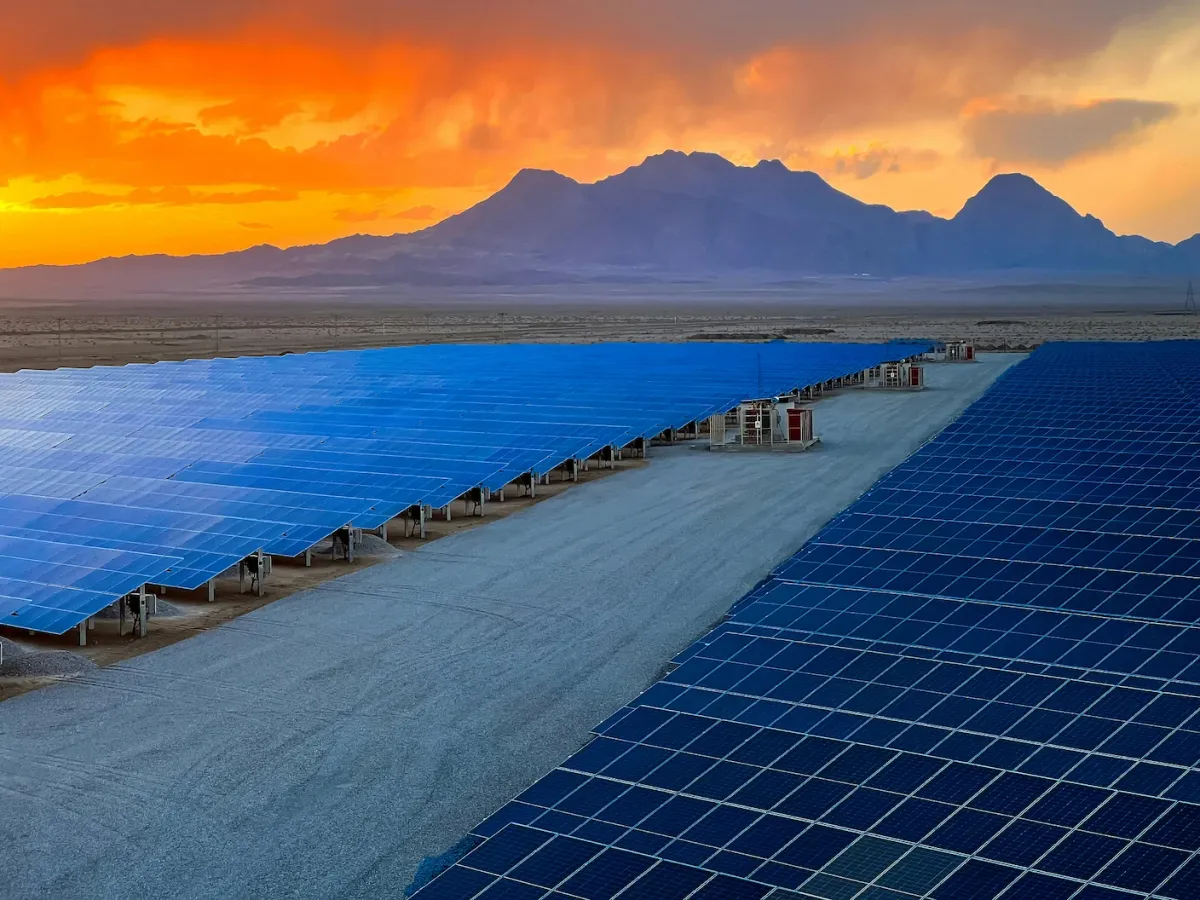
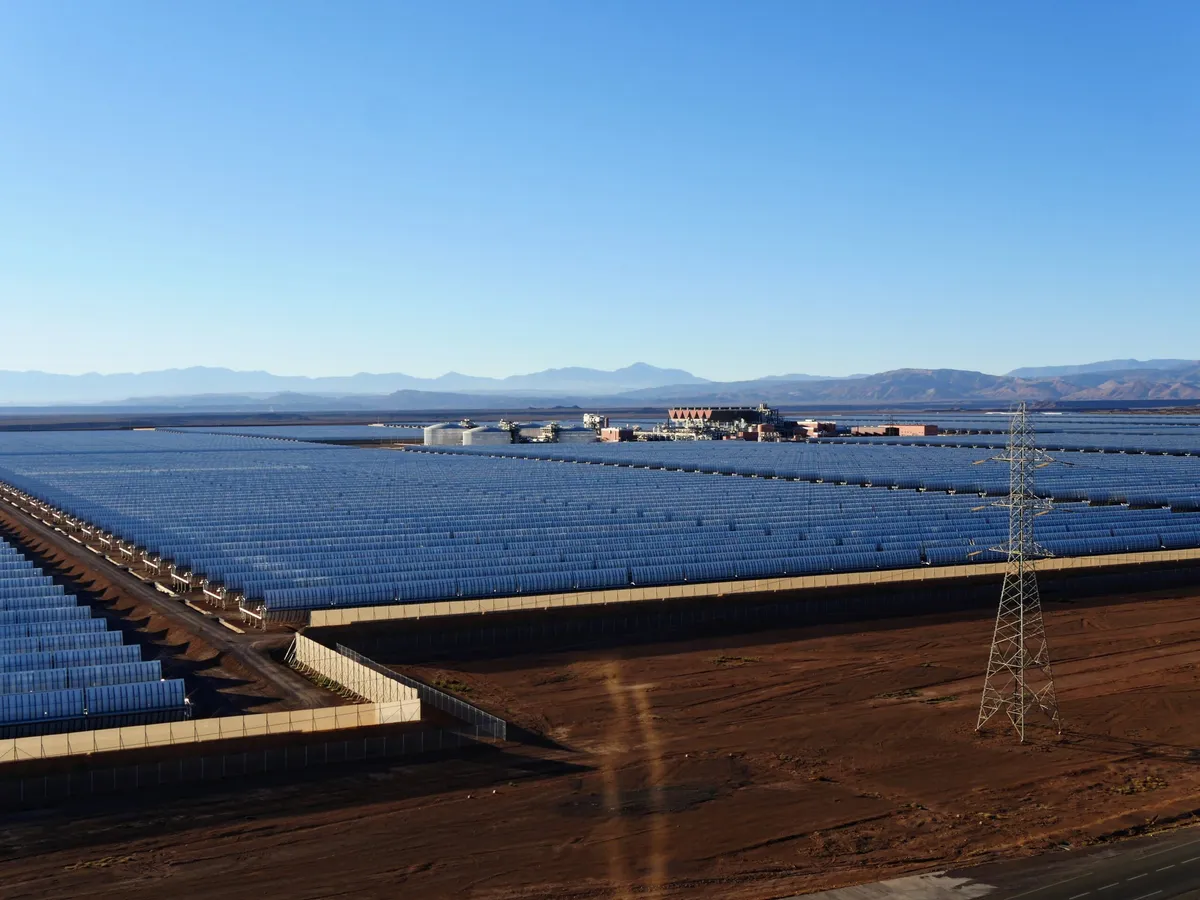
The difference between this approach and the old playbook is fundamental. Rather than waiting for industrialization to happen and then retrofitting it with clean energy, the plan assumes clean energy is the industrialization. Solar farms and wind projects become the factories. Mining for minerals needed for batteries and panels becomes the extractive industry—one that can be done more responsibly than coal or oil.
What happens next depends partly on whether the BAM framework evolves to include the concrete financing and fossil fuel phase-out that advocates are pushing for. But it also depends on whether plans like this economist's gain traction with policymakers and investors who control the capital.