For decades, psychiatry split itself in half. Mental illness lived in one box—the realm of psychology, trauma, family dynamics. Physical disease lived in another. The brain, mysteriously, belonged to both and neither.
This false divide had real consequences. Patients diagnosed with schizophrenia often had their physical health ignored. A treatable heart condition or infection could go unnoticed because the patient was "just" mentally ill.
Edward Bullmore, a neuroscientist at Cambridge, traces this split back through psychiatry's ideological swings—from Freud's dominance to the later push to make mental illness "biological." But in his book The Divided Mind, he argues the whole framework was wrong. Biology and experience aren't opposing forces. They're inseparable.
We're a new kind of news feed.
Regular news is designed to drain you. We're a non-profit built to restore you. Every story we publish is scored for impact, progress, and hope.
Start Your News DetoxWhat's actually happening in schizophrenia
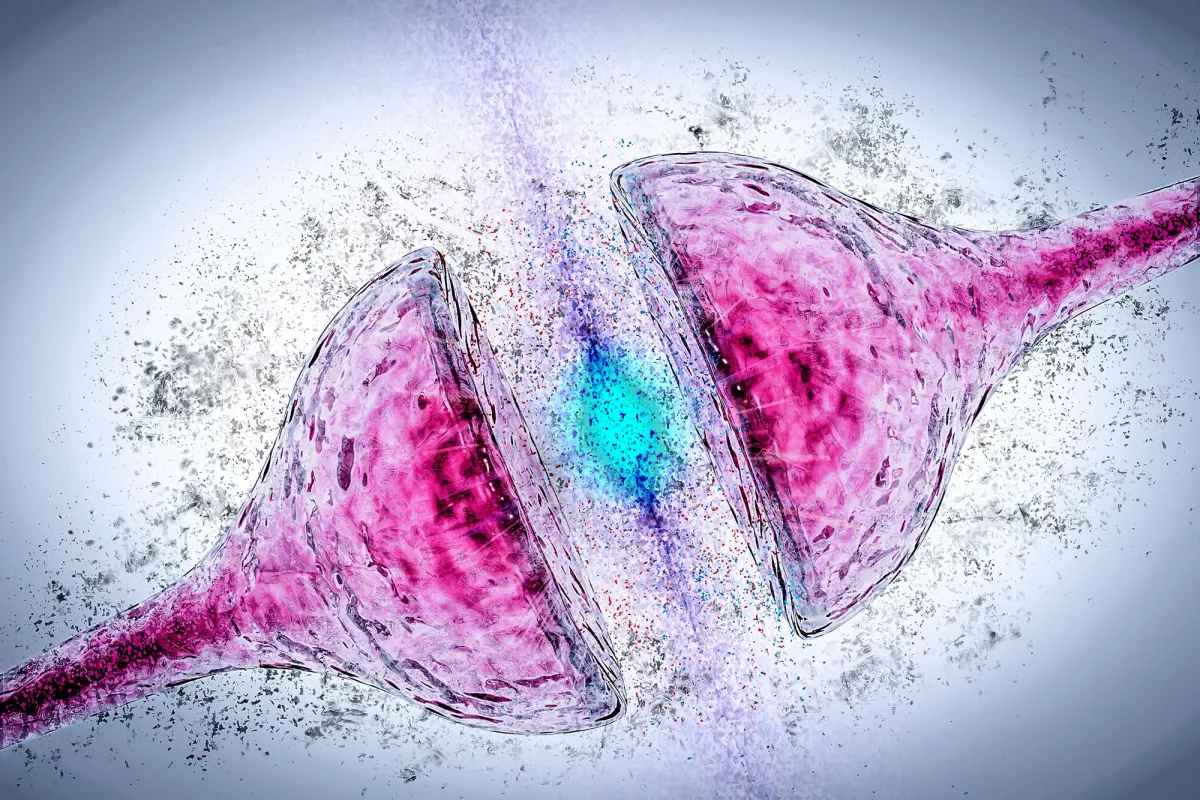
The emerging evidence Bullmore describes is genuinely different from what psychiatry assumed even 20 years ago. Schizophrenia appears to arise from abnormal brain development shaped by multiple overlapping factors: immune dysfunction, genetic predisposition, and environmental stress. A viral infection during pregnancy, childhood abuse, heavy cannabis use in adolescence—these aren't separate causes. They're different entry points to the same biological process.
This matters because it opens new prevention pathways. If immune dysfunction plays a role, better maternal health services become psychiatric intervention. If stress during childhood rewires developing brains, investing in social support for families becomes neuroscience. The biology is real. So is the lived experience. They're the same thing, viewed from different angles.
Bullmore doesn't shy from psychiatry's darker chapters—the eugenics programs, the institutionalization of the vulnerable based on pseudoscientific theories of "defective genes." But he's writing from the position that understanding how schizophrenia develops is how we stop repeating those mistakes.
The book itself reads like what happens when someone who understands both the neuroscience and the history decides to write for actual humans instead of specialists. It's intellectually rigorous without being impenetrable. Bullmore clearly believes that getting this right—understanding that mental illness is neither purely biological nor purely psychological—matters for how we treat people.
The schism in psychiatry is finally closing. Not because one side won, but because the question itself was malformed.