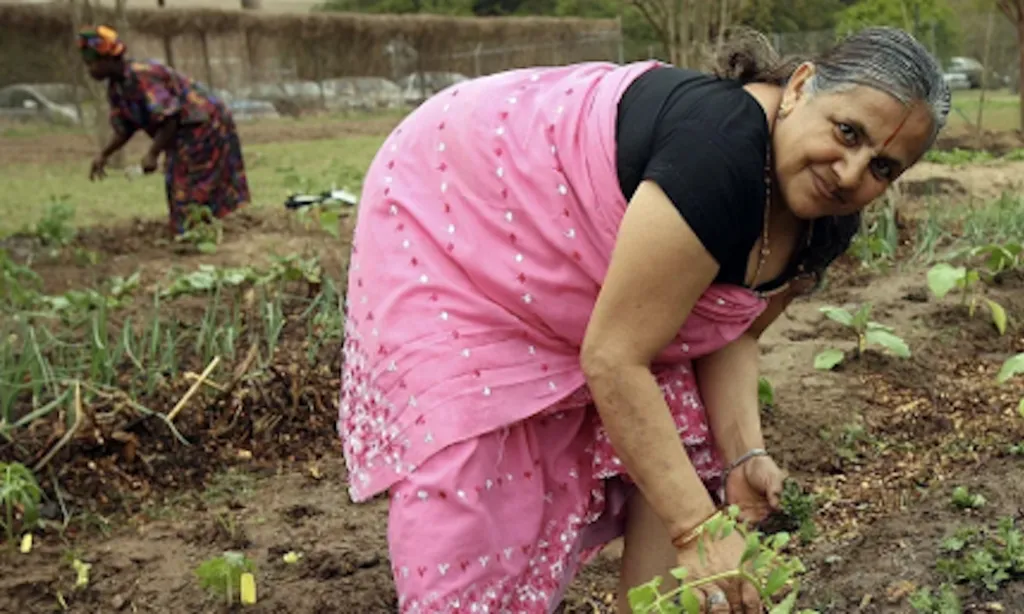
K S Sheeja spent 25 years teaching computer skills in Kerala. Then her son had an accident in 2014, and everything shifted.
The family moved to Tamil Nadu for his treatment. While he recovered, Sheeja started planting vegetables around their temporary home — a small act that would eventually reshape her entire life.
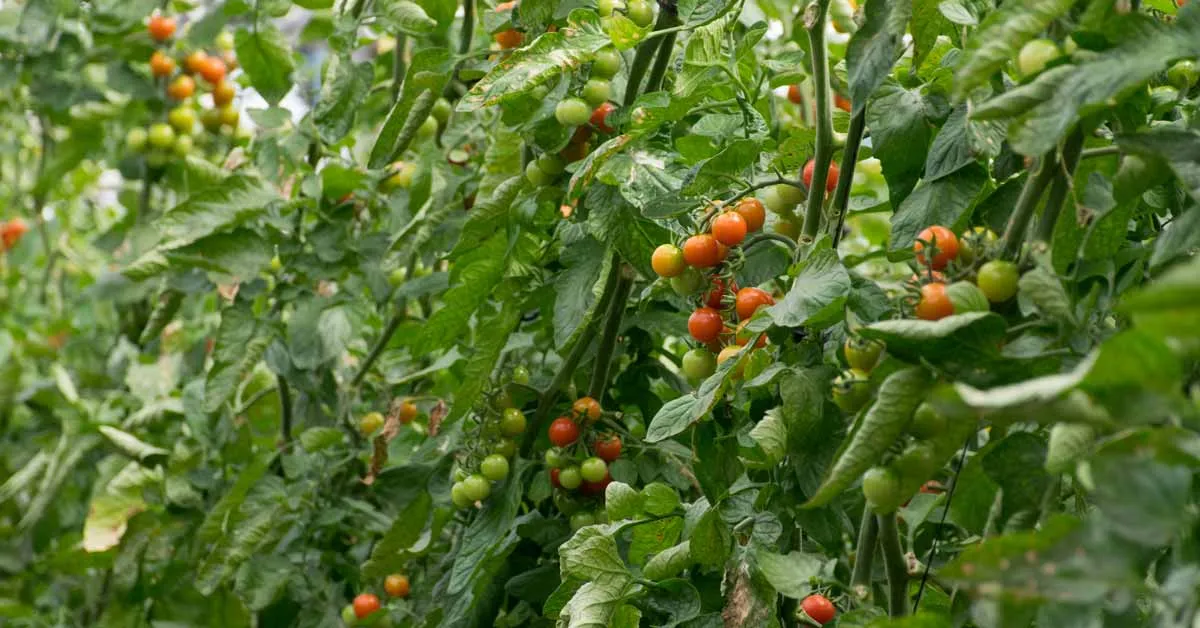
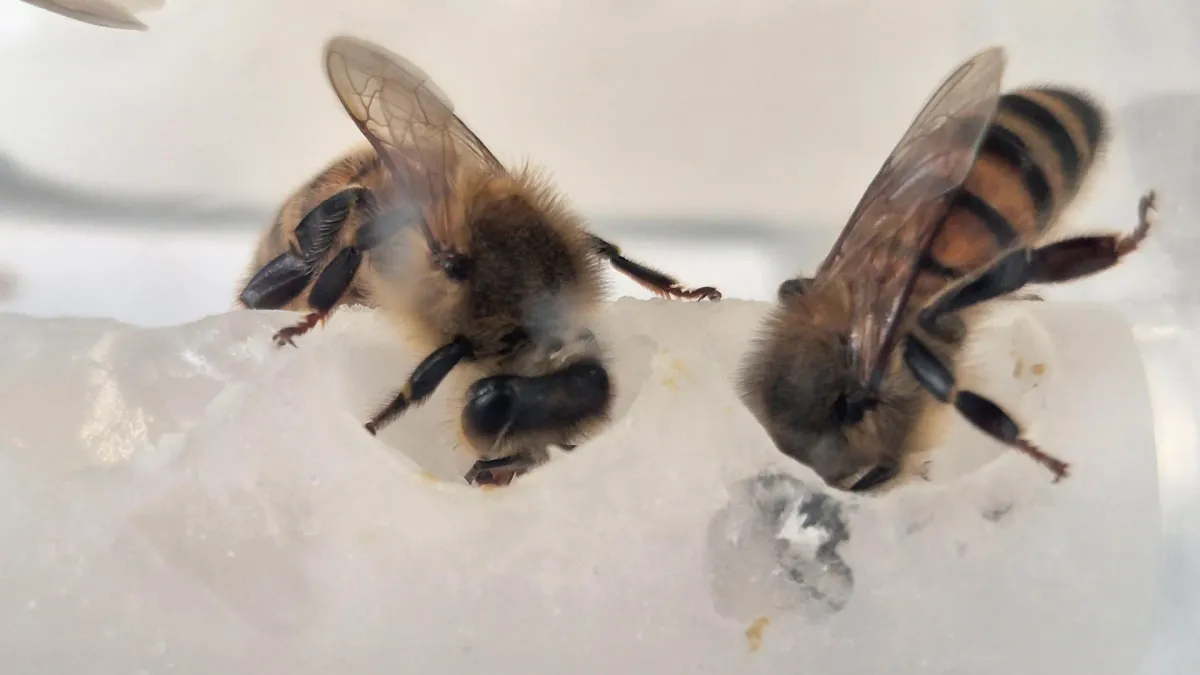
Today, at 54, she runs farms across Kerala with over 200 crops thriving in the soil. Forty varieties of vegetables. Eight types of fruit, including rambutan and mangosteen. Beehives. Poultry. Spice processing. What began as a way to stay grounded during crisis has become a functioning agricultural business that brings in around 200,000 rupees annually.
We're a new kind of news feed.
Regular news is designed to drain you. We're a non-profit built to restore you. Every story we publish is scored for impact, progress, and hope.
Start Your News DetoxFrom crisis to cultivation
When the family returned to Kerala, Sheeja didn't just plant more vegetables. She took formal courses in organic farming, learning precision irrigation and soil management. She attended workshops. She treated farming not as an escape, but as something worth doing well.
The transition from computer education to agriculture might seem dramatic, but Sheeja describes it differently. "My garden is a reminder that from the darkest moments come the most beautiful beginnings," she says. It's not metaphorical — it's what she sees every morning.
What makes her operation distinctive isn't just the scale or diversity of crops. It's the closed-loop system she's built. She uses poultry droppings from her own birds to create liquid fertiliser. The process is simple: 25 kilograms of droppings go into a filter bag, submerged in a 200-litre drum of water. After a week, the nutrient-rich water is diluted (one part concentrate to nine parts water) and applied directly to plants. No chemical inputs. No waste. Just one part of the farm feeding another.
Farmers across Kerala have started adopting her fertiliser method, recognising both its effectiveness and its low cost. It's the kind of innovation that spreads quietly — not through marketing, but through neighbouring fields noticing results.
Sheeja's story arrives at a moment when Indian agriculture is shifting. Younger farmers and career-changers are experimenting with organic methods, precision techniques, and diversified crops. Not all of them start from grief. But many are discovering what Sheeja learned: that farming can be a form of healing, and that healing can feed a community.