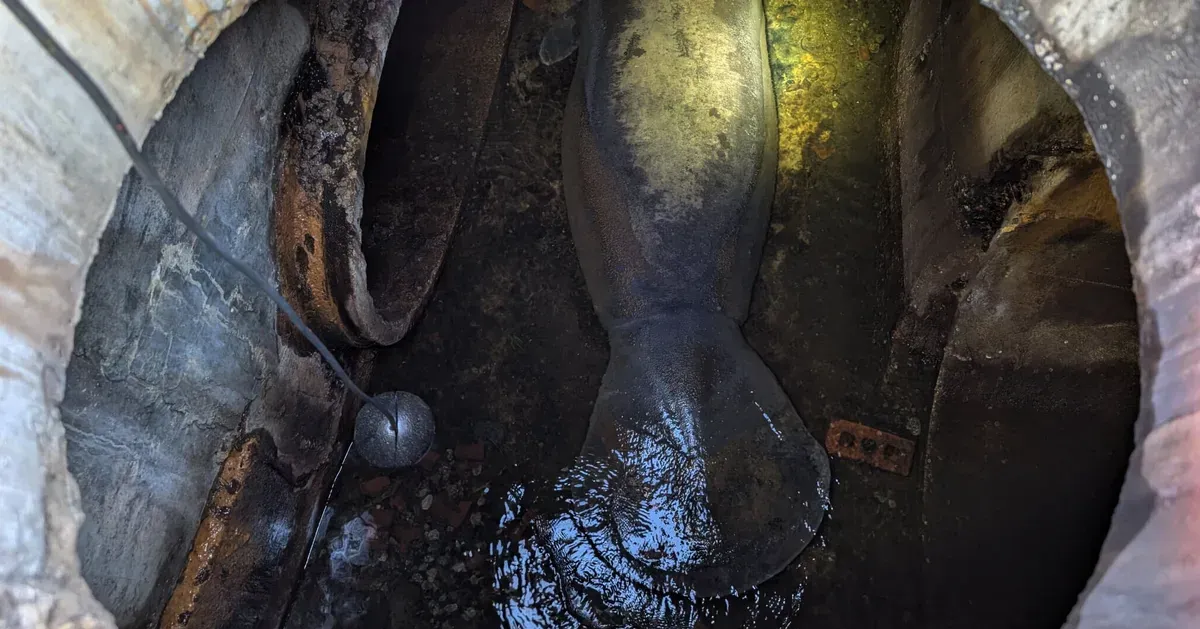
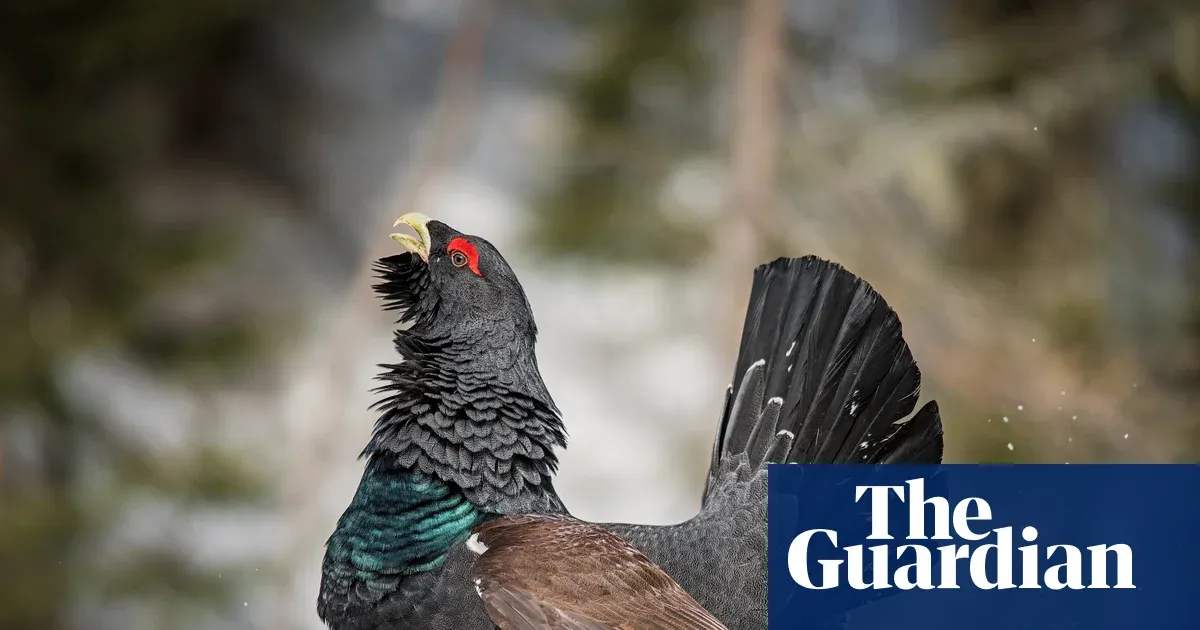
A pair of burrowing owls somehow ended up on a cruise ship leaving Miami, Florida, and are now living their best life at a Spanish resort. The ship's Central Park area—complete with lush greenery and a mini-golf course—apparently looked inviting enough to convince them to stow away. "It must have been very bewildering for them," said one wildlife specialist, which might be the most understated reaction to accidentally vacationing in Europe.
Meanwhile, across the Atlantic, otters are making a quieter but more significant comeback. A fox and an otter were caught on CCTV prowling Lincoln's city center at night, hunting for food. While urban foxes are old news, otters in British towns signal something real: their numbers are climbing in UK waterways, with naturalists estimating around 11,000 now live nationwide. A decade ago, seeing one in a city would have been unthinkable.

The Week in Wildlife
Elsewhere, camera traps are catching the animals most people never see. A clouded leopard appeared on film crossing the Khao Son ridge in Thailand, a rare glimpse of one of Southeast Asia's most elusive predators.
We're a new kind of news feed.
Regular news is designed to drain you. We're a non-profit built to restore you. Every story we publish is scored for impact, progress, and hope.
Start Your News Detox
In West Kalimantan, Indonesia, a two-year-old orangutan named Randy was rescued from a gold miner's cage where he'd been kept as a pet. Fed only bananas, grass, bread, and water—and nursing an injured leg—Randy is now at a specialist rehabilitation center learning what it means to be an orangutan. These rescues happen quietly, often without fanfare, but they're part of a larger effort to protect what remains of Southeast Asia's forests.
In Scotland, red squirrels are staging a comeback. Trees for Life's rewilding project has expanded their range by more than 25% over the past decade. This year alone, the charity relocated 259 red squirrels to woodland habitats in the northern and northwestern Highlands where the species had disappeared. It's slow work, but it's working.
Flora, a two-year-old Albanian bear, and Erion, a rescued lion, traveled across Europe after being freed from illegal captivity by Four Paws. Both have now settled into sanctuaries in Germany, safe for the first time in their lives.
Snow leopards prowl the Changtang national nature reserve in southwest China. One-horned rhinos graze at Kaziranga in Assam. Golden langurs catch the sun in the same park. Flamingos have returned to Venice's lagoon. In China's Huaguo Mountain, monkeys gather at a scenic area named for the Monkey King of legend. These moments—captured by camera trap, by chance, by someone with a phone—remind us that wildlife persists in the spaces we've left for it.
There's a darker note: endangered galaxy frogs in Kerala, India, are missing and presumed dead after photographers trampled their microhabitats in pursuit of the perfect shot. These fingertip-sized frogs use their spotted patterns to communicate with each other. Their loss is a reminder that witnessing wildlife sometimes means stepping back, not stepping in.
A great blue heron silhouetted against a Florida sunset. A damp rabbit emerging from floodwaters in British Columbia. Rainbow lorikeets in Adelaide. Two Tibetan antelopes sparring in a nature reserve. These images, scattered across continents, tell a story that's neither purely hopeful nor hopeless—just real. Some species are returning. Some are being rescued. Some are being lost. The work of conservation happens in the quiet spaces between the headlines.