

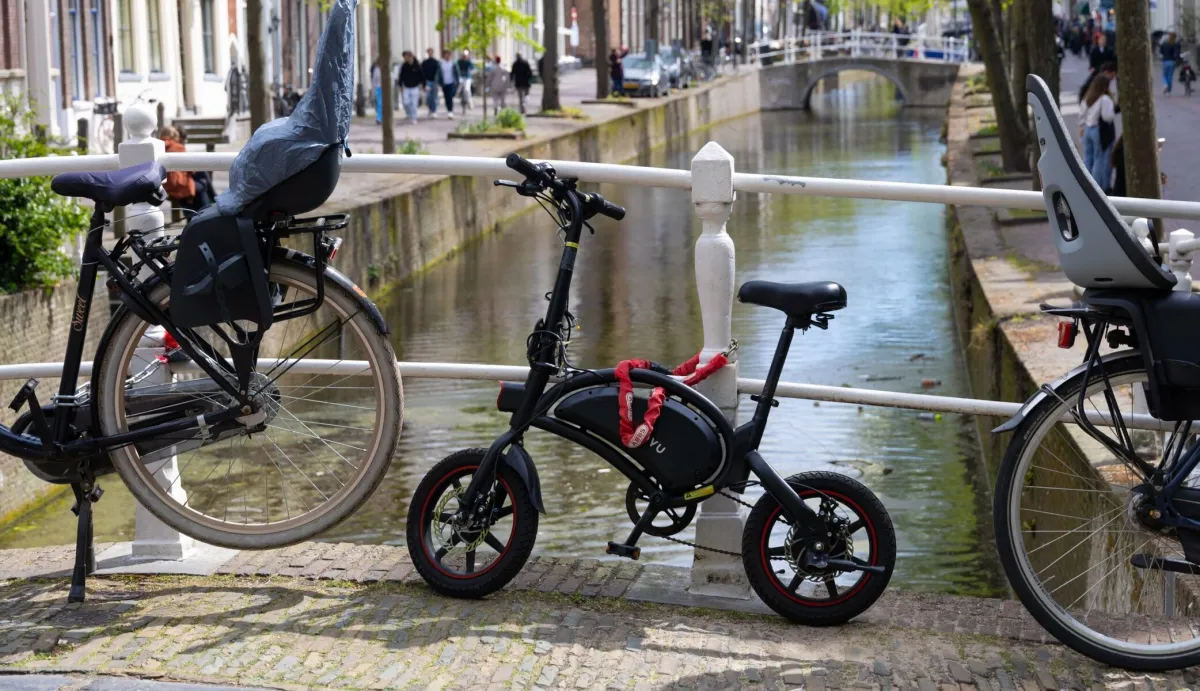
In 2016, Melissa Bruntlett arrived in the Netherlands expecting to write a few articles about Dutch cycling infrastructure for Vancouver. She stayed. Now a permanent resident of Amsterdam, she runs a consultancy that helps cities and organizations worldwide redesign their streets and policies around bikes—not as a niche hobby, but as everyday transport for everyone.
Bruntlett's insight is deceptively simple: what works in the Netherlands isn't magic. It's design. It's political will. It's the choice to build for people on bikes the way most cities build for cars. And that choice, she argues, is replicable everywhere else.
Her work lands at a moment when cities are quietly testing this premise. In Trussville, Alabama—a place not known for cycling infrastructure—a group of kids in neon vests now gather weekly for "bike buses," riding together to school and around their neighborhood. The initiative started small, driven by parents and community members who wanted their kids to have safe routes on two wheels. It's spreading. These aren't revolutionary moments; they're the grinding, unglamorous work of showing up, building trust, and proving that another way of moving through a city is possible.
We're a new kind of news feed.
Regular news is designed to drain you. We're a non-profit built to restore you. Every story we publish is scored for impact, progress, and hope.
Start Your News DetoxThe Netherlands didn't invent bikes. It invented the political decision to prioritize them. Protected lanes. Traffic lights that think about cyclists first. Streets designed so an 8-year-old can ride alone. Bruntlett's consultancy translates that philosophy for different contexts—different climates, different car cultures, different budgets. The message to cities considering this shift: you don't need to be Dutch. You need to decide.
What's striking about Bruntlett's work is that it sits at the intersection of several urgent problems at once. Climate targets. Public health (sedentary lifestyles, obesity, mental health). Equity (who gets to move safely through their city). Urban congestion. A bike-friendly street solves for multiple crises simultaneously, which is why her consultancy finds open doors in unexpected places.
The ripple effect is real. Tess Riley, an editor at Reasons to be Cheerful, read about the Trussville bike bus and decided to organize one in her own neighborhood. One story, one person, one small commitment to making streets safer for kids on bikes. Multiply that across cities, and the infrastructure question stops being theoretical.
Bruntlett's work reminds us that the future of how we move through cities isn't locked in. It's being decided right now, block by block, by people choosing to build differently.





