News Anxiety Is Real: A Complete Guide to Protecting Your Mental Health
If checking the news makes your heart race, your stomach clench, or your mood plummet, you're experiencing news anxiety — and it affects far more people than you might think.
According to the American Psychological Association, more than 7 in 10 Americans say the news is a significant source of stress. But here's the crucial insight: the problem isn't being informed. The problem is how we consume information.
What Is News Anxiety?
News anxiety (sometimes called "headline stress disorder," a term coined by psychologist Dr. Steven Stosny) is the chronic stress response triggered by consuming news media. Symptoms include:
- Racing thoughts about world events
- Difficulty concentrating at work or school
- Sleep disruption from late-night news consumption
- Physical symptoms: headaches, muscle tension, digestive issues
- Feeling overwhelmed, helpless, or emotionally numb
- Compulsive checking of news feeds (doomscrolling)
Why Your Brain Reacts This Way
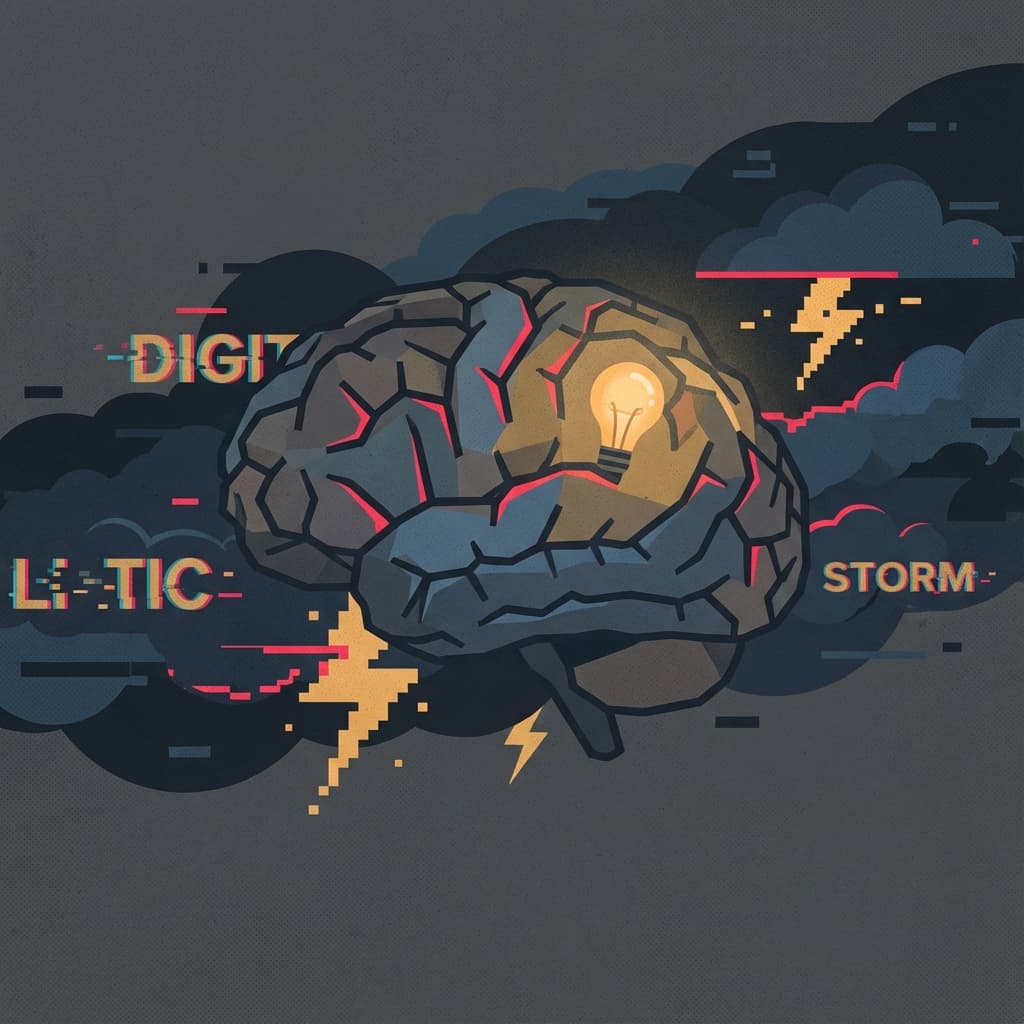
Your brain doesn't distinguish between a real threat in your environment and a threatening news story on your phone. When you read about a disaster, conflict, or crisis, your amygdala activates the fight-or-flight response — releasing cortisol and adrenaline as if the threat were immediate.
The problem? In our ancestors' world, threats were local and temporary. Today, your phone delivers an infinite stream of global threats 24/7. Your stress response system was never designed for this.
The 5-Step Framework for Healthier News Consumption
Step 1: Audit Your Current Habits
Before changing anything, spend one week tracking your news consumption. Note when you check the news, how long you spend, what you read, and how you feel afterward. Most people are shocked by the results.
Step 2: Set Clear Boundaries
Based on your audit, create specific rules:
- Maximum 30 minutes of news per day
- No news within 1 hour of waking or 2 hours of sleeping
- Specific check-in times (e.g., 8 AM and 6 PM only)
- All push notifications off
Step 3: Diversify Your Sources
Add at least one positive or solutions-focused news source to your rotation. This doesn't mean ignoring real problems — it means ensuring your information diet includes progress and solutions alongside challenges.
Step 4: Practice Active Consumption
Instead of passively scrolling, actively choose what to read. Ask yourself: "Will this information help me make a decision or take action?" If the answer is no, skip it.
Step 5: Process and Act
After reading news, take 2 minutes to process: What did I learn? How do I feel? Is there anything I can actually do? This prevents the accumulation of unprocessed anxiety.
When to Seek Professional Help
News anxiety exists on a spectrum. If you're experiencing any of the following, consider talking to a mental health professional:
- Panic attacks triggered by news stories
- Persistent insomnia related to world events
- Inability to function at work or in relationships
- Using alcohol or substances to cope with news-related stress
- Intrusive thoughts about catastrophic events
Building a Healthier Relationship With Information
The goal isn't to become uninformed — it's to become intentionally informed. The world needs engaged, thoughtful citizens. But engagement requires energy, and energy requires protecting your mental health.
Start with small changes. Replace your first morning scroll with a positive news source. Turn off notifications. Set a timer. Every small step compounds into a fundamentally different relationship with information.
Brightcast was built for exactly this purpose. Our AI curates verified positive stories so you can stay informed about the world's progress without the anxiety tax. Try it free and see how it feels to start your day with hope.