News Anxiety Is Real — Here's How to Stay Informed Without the Stress
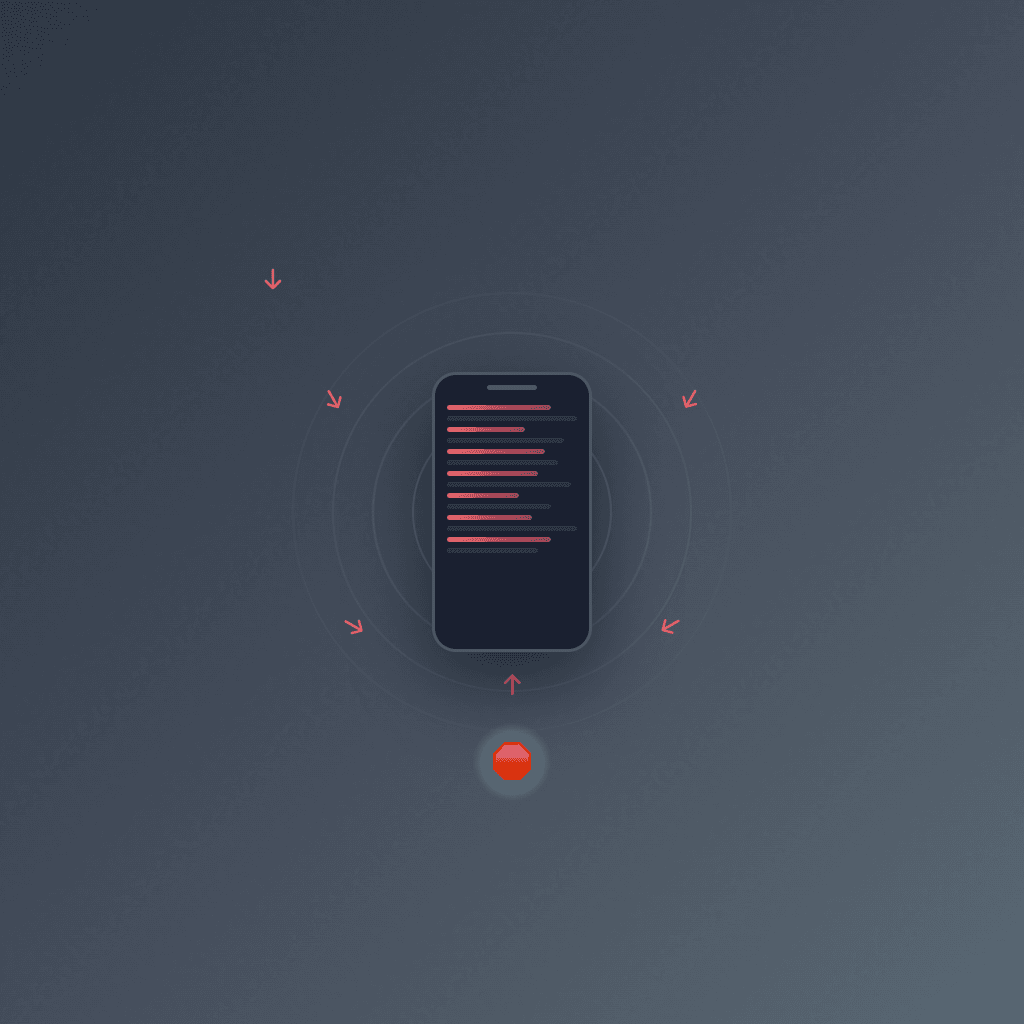
It's 7 AM. You reach for your phone "just to check the news," and before you know it, 45 minutes have vanished. Your heart rate is up. Your jaw is clenched. The world feels like it's crumbling, and your day hasn't even started yet.
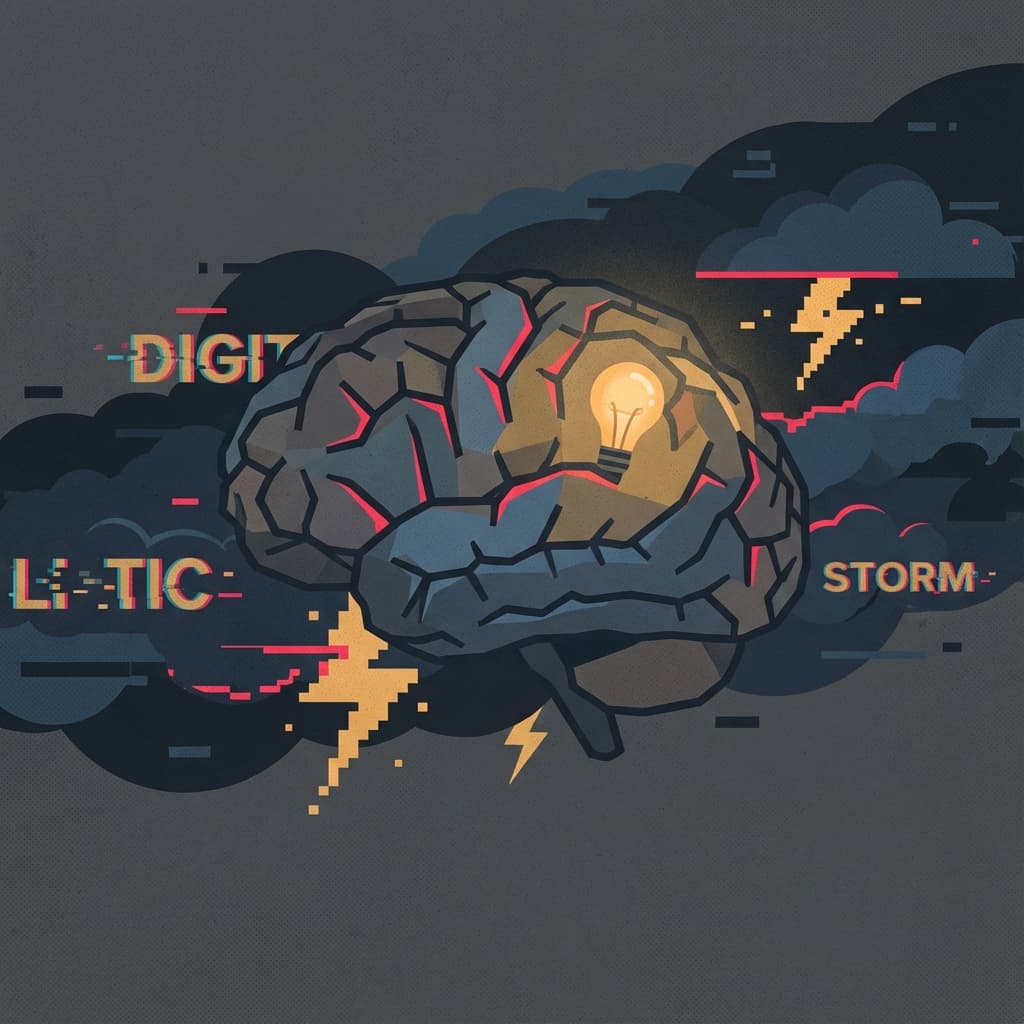
If this sounds familiar, you're not alone—and more importantly, this isn't a character flaw. Your brain is doing exactly what evolution designed it to do: scan for threats. The problem? Modern media has weaponized this ancient survival mechanism.
Why Your Brain Can't Look Away
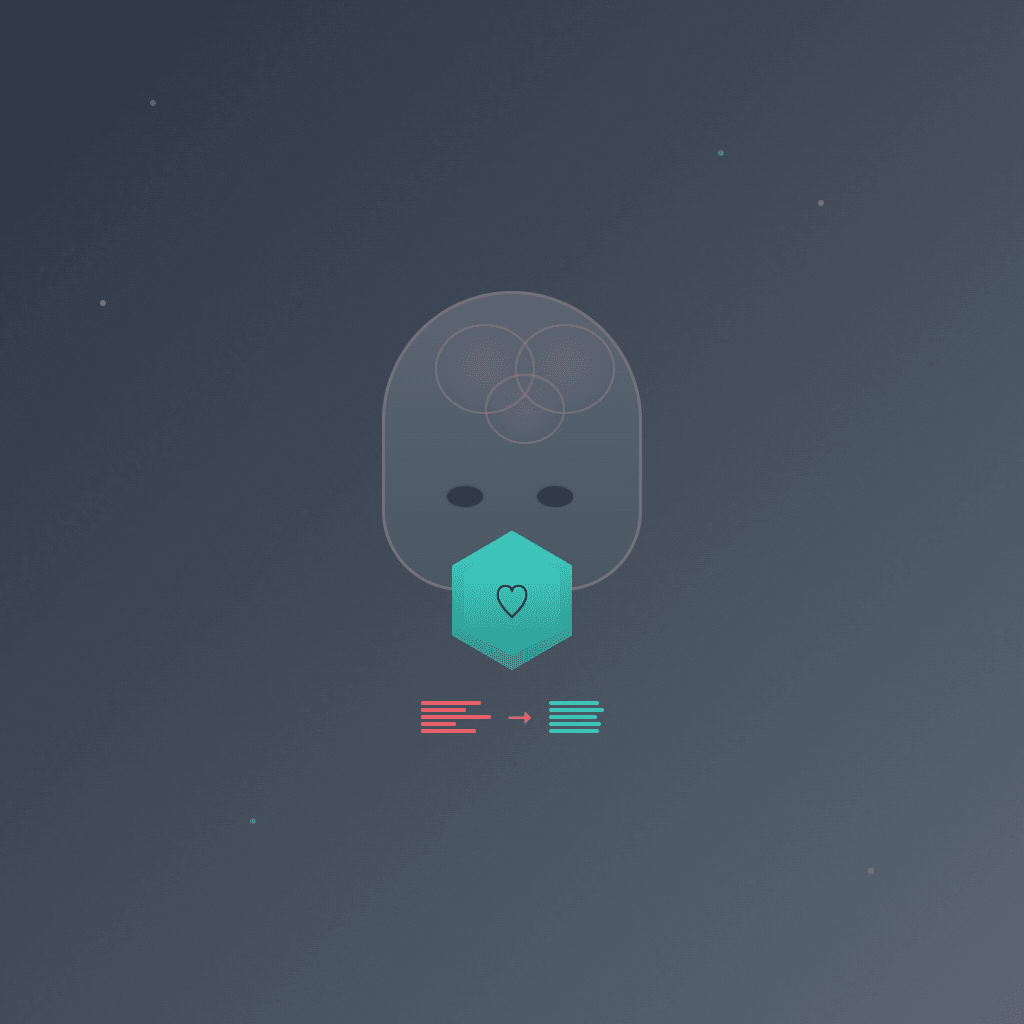
Here's what's happening in your head: Research shows we're three times more reactive to negative news than positive (Baumeister et al., 2001). This "negativity bias" made perfect sense when missing a warning about a predator could cost you your life. But in today's 24/7 news cycle, this same instinct keeps you glued to your screen, scrolling through disasters you can't prevent.
Every alarming headline triggers a cortisol release—your body's stress hormone. This creates a feedback loop: stress makes you seek more information to feel "in control," which exposes you to more stress-inducing content, which triggers more cortisol. Meanwhile, social media algorithms notice you're engaging with negative content and serve you... more negative content.
The result? What psychologists call "doomscrolling"—compulsive consumption of negative news that leaves you feeling anxious, helpless, and exhausted.
The Hidden Cost of "Staying Informed"
According to the American Psychological Association's 2022 survey, 56% of Americans say the news causes them significant stress. But the impact goes beyond just feeling anxious:
- Sleep disruption: Late-night news consumption keeps your nervous system activated, making restful sleep nearly impossible
- Physical symptoms: Elevated heart rate, tension headaches, digestive issues, and chronic fatigue
- Decision paralysis: Constant exposure to problems without solutions creates a sense of helplessness
- Relationship strain: News-induced stress spills over into interactions with family and colleagues
Here's the paradox: being "informed" doesn't equal being empowered. Knowing about every crisis happening globally—especially those you can't directly impact—often does the opposite. It leaves you feeling overwhelmed and paralyzed rather than equipped to make a difference.
7 Research-Backed Ways to Break the Cycle
1. Set Specific News Times (And Stick to Them)
Instead of checking news reactively throughout the day, schedule 15-30 minute blocks at consistent times. Avoid consumption first thing in the morning (it sets a negative tone for your entire day) and right before bed (it disrupts sleep quality).
Try this: 12 PM and 6 PM news checks. That's it. You'll stay informed without the constant drip-feed of anxiety.
2. Curate Your Sources Ruthlessly
More sources doesn't mean better informed—it usually means more overwhelmed. Identify 3-5 trusted, high-quality sources and unsubscribe from the rest. Remove inflammatory accounts from your social feeds, even if they're covering "important" topics.
Quality over quantity. Always.
3. Balance Negative with Positive
Think of your news consumption like your diet. You wouldn't eat only junk food and expect to feel good, right? The same applies to information.
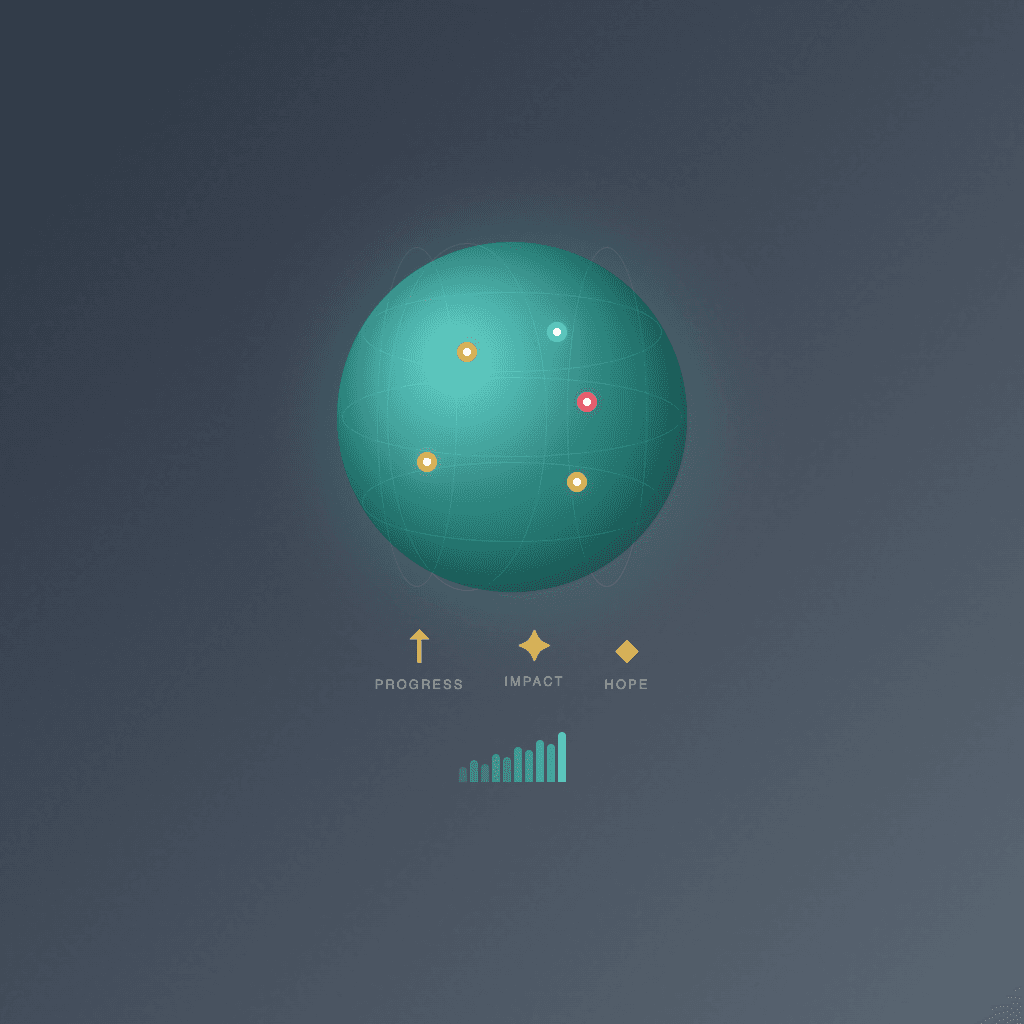
Try a 50/50 or even 70/30 ratio—for every negative story you consume, intentionally seek out a story about progress, solutions, or human resilience. Research shows that positive news increases feelings of agency and hope (Curry & Hammonds, 2014), making you more likely to take meaningful action rather than spiral into despair.
4. Take Action on ONE Issue
Here's a secret: awareness without agency creates anxiety. You can't solve every problem, but you can do something about one.
Pick a single issue you genuinely care about and take one small, concrete action this week. Donate $10. Volunteer an hour. Write one email to a representative. This converts passive consumption into active participation—and psychologically, that shift is massive.
5. Notice Your Body's Stress Signals
Your body knows before your mind does. Learn to recognize the physical cues that you've crossed the threshold:
- Jaw clenching or teeth grinding
- Shallow, rapid breathing
- Pit in your stomach or chest tightness
- Scrolling without actually reading
When you notice these signals, stop consuming immediately. Close the app. Take three deep breaths. Your nervous system is asking for a break—honor it.
6. Replace Doomscrolling with "Hopescrolling"
What if instead of seeking out the worst, you actively looked for the best? Not as escapism, but as a more complete picture of reality.
Follow accounts that highlight progress in science, medicine, climate solutions, social movements, and human kindness. Seek out stories of people solving problems, not just reporting on them. Celebrate incremental wins, not just catastrophic losses.
This isn't about ignoring reality—it's about seeing all of reality, including the parts that aren't designed to trigger your amygdala.
7. Use Tools Designed for Healthier Consumption
You can also lean on technology to help manage your news diet. Browser extensions can limit social media time. App timers can enforce boundaries. And apps like Brightcast curate positive, solution-focused news so you don't have to dig through the noise yourself.
The key is choosing tools that work with your goals, not against them. Look for platforms that prioritize context, balance, and digestible formats over endless scrolling and outrage bait.
Why Positive News Isn't "Fake" News
Some people worry that seeking out positive news means "burying your head in the sand." But here's the truth: progress exists, and fear-based media systematically underreports it.
Positive news isn't about pretending problems don't exist. It's about also acknowledging solutions, innovations, and forward movement. It's about seeing the full picture instead of just the part designed to keep you clicking.
Research consistently shows that consuming solution-focused journalism increases civic engagement, feelings of agency, and hope without decreasing awareness (Curry & Hammonds, 2014). In other words: you can stay informed and stay sane.
You Don't Have to Choose
Here's what we believe: You don't have to choose between staying informed and staying sane.
That's why we built Brightcast—an AI that finds the good news so you don't have to dig for it. We surface stories of progress, innovation, and human resilience. We show you what's working, not just what's broken. And through our Hope Coins system, reading positive news isn't just good for your mental health—it's an investment in the future you want to see.
News anxiety is real. Doomscrolling is destructive. But neither is inevitable.
Start small. Pick one strategy from this list and try it for a week. Notice how it feels. Your brain—and your body—will thank you.
Ready to reclaim your mornings? Sign up for our weekly positive news digest and start your day with hope instead of dread.