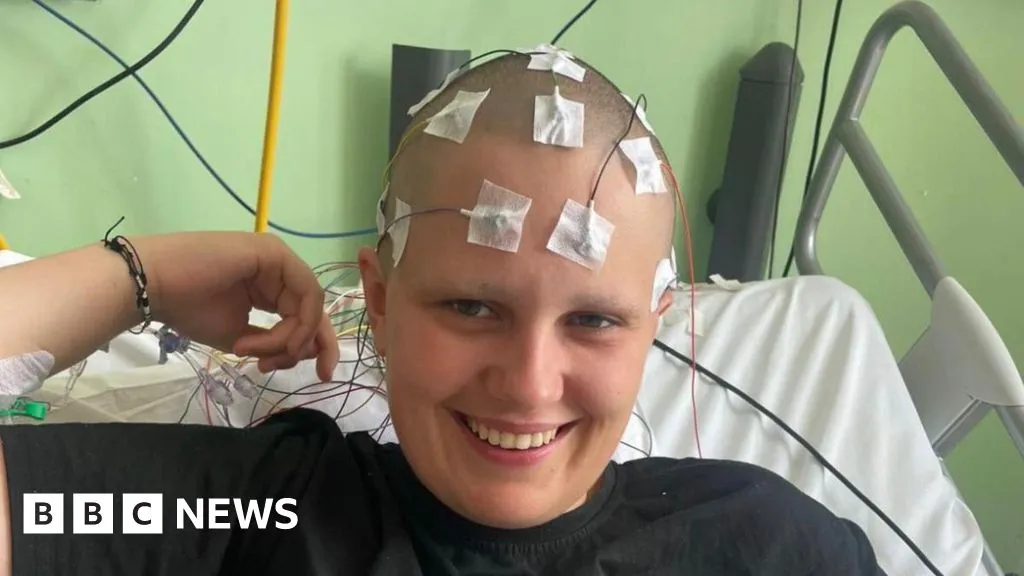
ChatGPT helped a woman in Cardiff finally get a diagnosis for a rare condition after years of misdiagnosis. Phoebe Tesoriere, 23, had been told she had anxiety, depression, and epilepsy. She was even warned she would be treated as a mental health patient if she kept going to the emergency room.
After a severe seizure left her in a coma for three days, Phoebe typed her symptoms into the AI chatbot. ChatGPT suggested several conditions, including hereditary spastic paraplegia. Genetic testing later confirmed this diagnosis.
Cardiff and Vale University Health Board expressed regret over Phoebe's experience. Dr. Rebeccah Tomlinson, a GP, noted that people should discuss any health concerns found using AI chatbots with a medical professional. A University of Oxford study recently found that AI healthcare advice can be a mix of good and bad, making it hard to trust.
We're a new kind of news feed.
Regular news is designed to drain you. We're a non-profit built to restore you. Every story we publish is scored for impact, progress, and hope.
Start Your News DetoxA Long Search for Answers
Phoebe understood the difficulties doctors faced in diagnosing her. However, she found the experience "really lonely" and felt she had to fight to be heard. She had a limp since childhood, which she thought was related to being born without a hip socket. She also struggled with balance and was tested for dyspraxia, but the results were negative.
At 19, Phoebe collapsed and had a seizure at work. Doctors told her it was anxiety, which was then added to her medical records. She said she had no history of anxiety and was a happy person. In 2022, she was diagnosed with epilepsy and given medication.
In December 2024, Phoebe became unwell again and couldn't keep her epilepsy medication down, leading to more seizures. She struggled to walk and was misdiagnosed with Todd's Paralysis. In January 2025, she fell down the stairs, resulting in three months in the hospital and inconclusive tests.
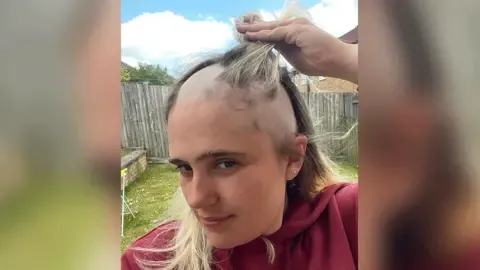
In June 2025, Phoebe lost all her hair.
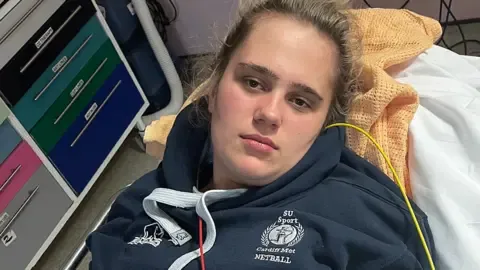
Then, in July 2025, a major seizure put Phoebe in a coma for three days. After she recovered, a doctor reportedly told her she didn't have epilepsy, but anxiety. This is when she turned to ChatGPT.
The chatbot's suggestion of hereditary spastic paraplegia was confirmed by genetic testing. The NHS states that this condition is often misdiagnosed, so the number of people affected is unknown. Symptoms can be managed with physiotherapy.
Phoebe can no longer work as a special educational needs teacher due to her symptoms and uses a wheelchair. She is now studying for a master's degree in psychology, hoping to continue helping people.
The Role of AI in Healthcare
A spokesperson for the Cardiff and Vale health board said they could not comment on individual patient cases. They invited Phoebe to contact their concerns team to discuss her care.
Dr. Rebeccah Tomlinson acknowledged that it's hard for GPs to know everything, especially with NHS pressures. She believes patients bringing information, including from AI tools, can help guide discussions. She emphasized that general practice should be a two-way conversation.
Using AI for health purposes is a debated topic. An Oxford University study found that AI chatbots give inconsistent and sometimes inaccurate medical advice, which could be risky. In January, OpenAI launched a new ChatGPT feature in the US to analyze medical records for "better answers." The company stated it's for support, not diagnosis or treatment, but millions use the chatbot for health questions weekly.
Concerns have been raised about ChatGPT Health accessing sensitive data. OpenAI maintains it's designed to support, not replace, medical care. It's unclear if this feature will come to the UK. Despite the debate, many people, like Phoebe, are using AI for various tasks, from personalizing social media to getting advice on everyday issues.
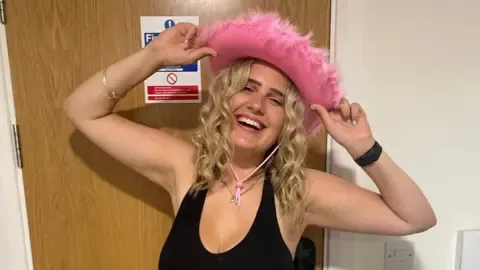
Phoebe feels more confident about her future now that she has a diagnosis.
Deep Dive & References
- Hereditary spastic paraplegia - NHS
- Developmental coordination disorder (dyspraxia) - NHS
- Focal seizures - Epilepsy.org.uk
- Seizures explained - Cardiff and Vale University Health Board