Gut bacteria can change white fat into calorie-burning beige fat. This happens through signals driven by diet. This discovery could lead to new treatments for metabolic diseases.
Researchers at City of Hope, the Broad Institute, and Keio University found how certain gut bacteria work with diet. In mice, this interaction shifts fat from storing energy to burning it.
How Diet and Gut Bacteria Transform Fat
A study in Nature showed that a low-protein diet activates specific gut microbes. These microbes release chemical signals that travel through the body. These signals tell fat tissue to burn energy instead of storing it.
We're a new kind of news feed.
Regular news is designed to drain you. We're a non-profit built to restore you. Every story we publish is scored for impact, progress, and hope.
Start Your News DetoxThis finding reveals a new link between diet, gut microbes, and metabolic health. It could help create future treatments for obesity, diabetes, and related conditions.
Kenya Honda, a co-senior author, noted that fat tissue is very adaptable. He said certain gut bacteria can sense what an animal eats. Then, they send signals to fat cells to burn energy.
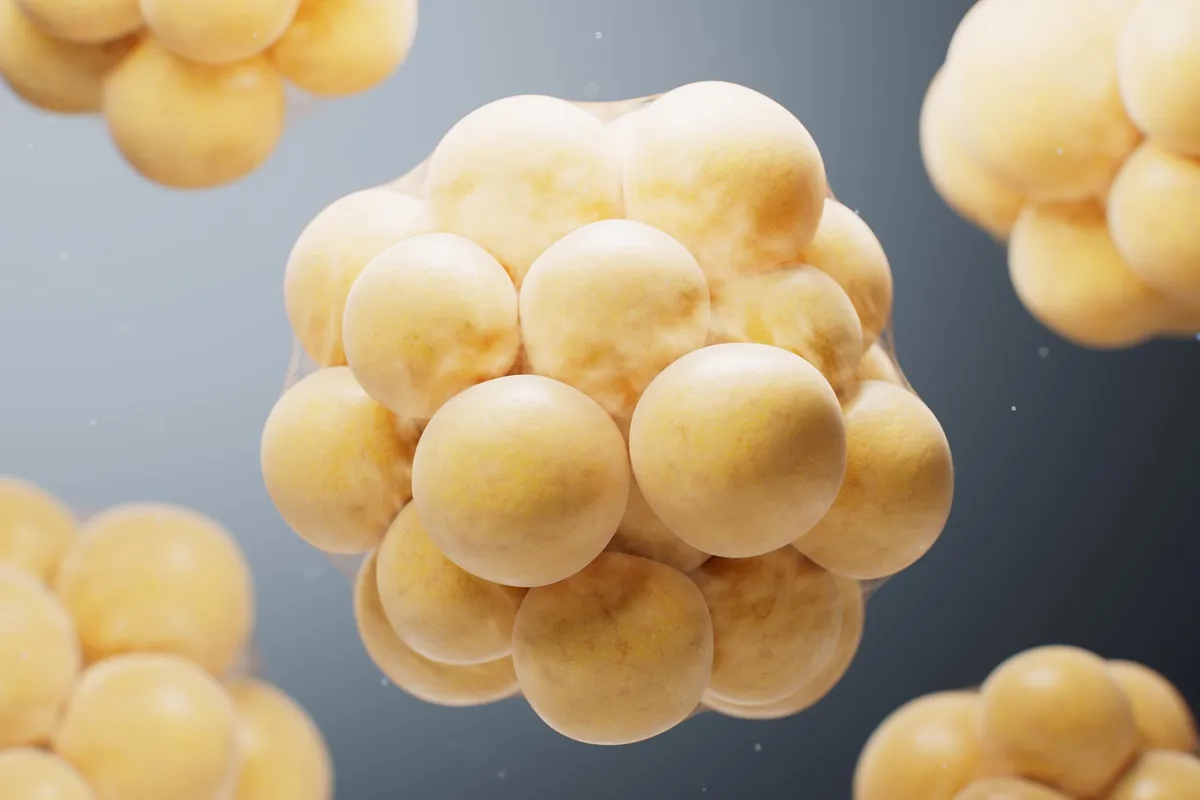
Most fat in adults is white fat, which stores extra calories. Beige and brown fat, however, burn energy to create heat and help control metabolism. Babies have more brown fat, but this decreases over time. Scientists want to find safe ways to turn white fat into beige fat, a process called "beiging." This could improve metabolic health.
In experiments, mice on a low-protein diet developed a lot of beige fat. But this only happened when the right gut bacteria were present. Mice without a microbiome did not show this fat-burning response on the same diet.
Honda explained that diet alone was not enough. The gut microbiome was essential.
Key Bacteria and Their Mechanism
The team found four types of bacteria needed to trigger fat browning. When these microbes were given to mice along with a low-protein diet, the mice changed white fat into beige fat. They also gained less weight, had better glucose control, and lower cholesterol.
The bacteria used a two-step process. One signal changed bile acids, pushing fat cells to burn calories. A second signal made the liver release FGF21, a hormone that boosts metabolism. If either signal was disrupted, the fat-burning effect stopped. This shows both signals are necessary.
Ramnik Xavier, a co-senior author, said this work shows how the gut microbiome interprets what we eat. It then translates that into signals the body responds to. This opens up new ways to think about microbes, metabolites, and metabolic disease. It could lead to new treatments for metabolic health.
Future Therapies and Broader Impact
The researchers warn that these findings should not be directly applied to humans yet. The low-protein diet used is below recommended levels for people. Also, past attempts to improve metabolism with probiotics alone have mostly failed.
Instead, the study points to new potential drug targets. These targets are the biological pathways activated by gut microbes. The goal is to design therapies that safely copy these benefits, rather than relying on extreme diets or bacterial supplements.

Takeshi Tanoue, the study's first author, said their goal is not to tell people to eat extreme diets. The real chance is to understand these pathways well enough to create safe therapies.
Obesity and metabolic disorders increase the risk for cancer, diabetes, and heart disease. This study shows how gut microbes and diet can reshape fat tissue. It adds to evidence linking metabolism, inflammation, and disease risk.
This research is part of the Microbiome Program at City of Hope. This program aims to improve cancer care through personalized approaches. These combine diet, nutrition, and the immune system for better detection, treatments, and outcomes.
Honda concluded that this work highlights the gut microbiome as an active decision-maker. It doesn't just react to diet; it interprets it.
Deep Dive & References
Microbiota-mediated induction of beige adipocytes in response to dietary cues - Nature, 2026