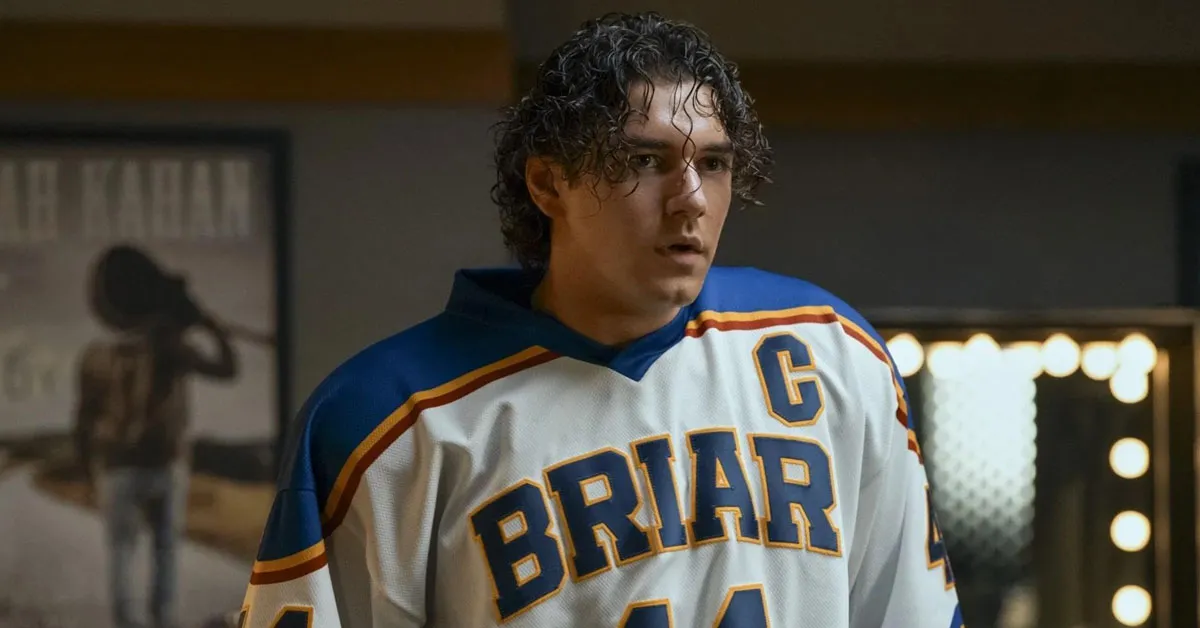
You know Belmont Cameli from "Off Campus." What you might not know is that those two small scars on his abdomen? They're the result of a decision he made in 2018 to donate a kidney. Not to a family member. To a stranger. And that single act kicked off a chain reaction that ultimately saved seven lives.
It all started with a friend, Brendan Flaherty, who was battling kidney failure. Cameli, being a good human, got tested to see if he was a match. He wasn't. But instead of shrugging and moving on, he opted into something called a paired kidney exchange program. Think of it as a very high-stakes, incredibly generous swap meet.
In these programs, incompatible donor-recipient pairs are matched with others in similar predicaments. So, Cameli gave his kidney to someone he didn't know. In return, his friend Brendan, after six long years on a waiting list, received the organ he desperately needed from another donor in the chain. It was a 14-person transplant chain, a domino effect of pure altruism.
We're a new kind of news feed.
Regular news is designed to drain you. We're a non-profit built to restore you. Every story we publish is scored for impact, progress, and hope.
Start Your News DetoxCameli shared his story on Instagram, pointing out a rather stark truth: many of us are walking around with two perfectly functional kidneys, while thousands are in a dire struggle with failing ones. Twenty people die every single day waiting for a kidney transplant. Let that sobering number sink in.
His friend got a new lease on life, and so did a woman named Clotilde, who Cameli mentioned received a healthy kidney and a fresh start. He expressed gratitude for being part of a program that blessed seven patients with new organs and brighter futures. Which, if you think about it, is both impressive and slightly terrifying in its impact.
The Ripple Effect of a Single Act
As Cameli's story made the rounds, the National Kidney Foundation chimed in with a crucial reminder about living organ donation. Over 90,000 people in the U.S. are currently waiting for a kidney. Many will wait years for a deceased donor kidney, and some will become too sick to even receive one before it's available.
Turns out, kidneys from living donors often last longer and tend to get straight to work after transplant. They also allow for scheduled surgeries, which dramatically improves survival rates and quality of life for recipients. It’s a win-win, if you can wrap your head around the idea of giving away an internal organ.
The foundation's takeaway? One decision, like Cameli's, can ripple outwards, touching multiple families, communities, and even future generations. Because apparently, that's what happens when someone decides to be ridiculously generous.