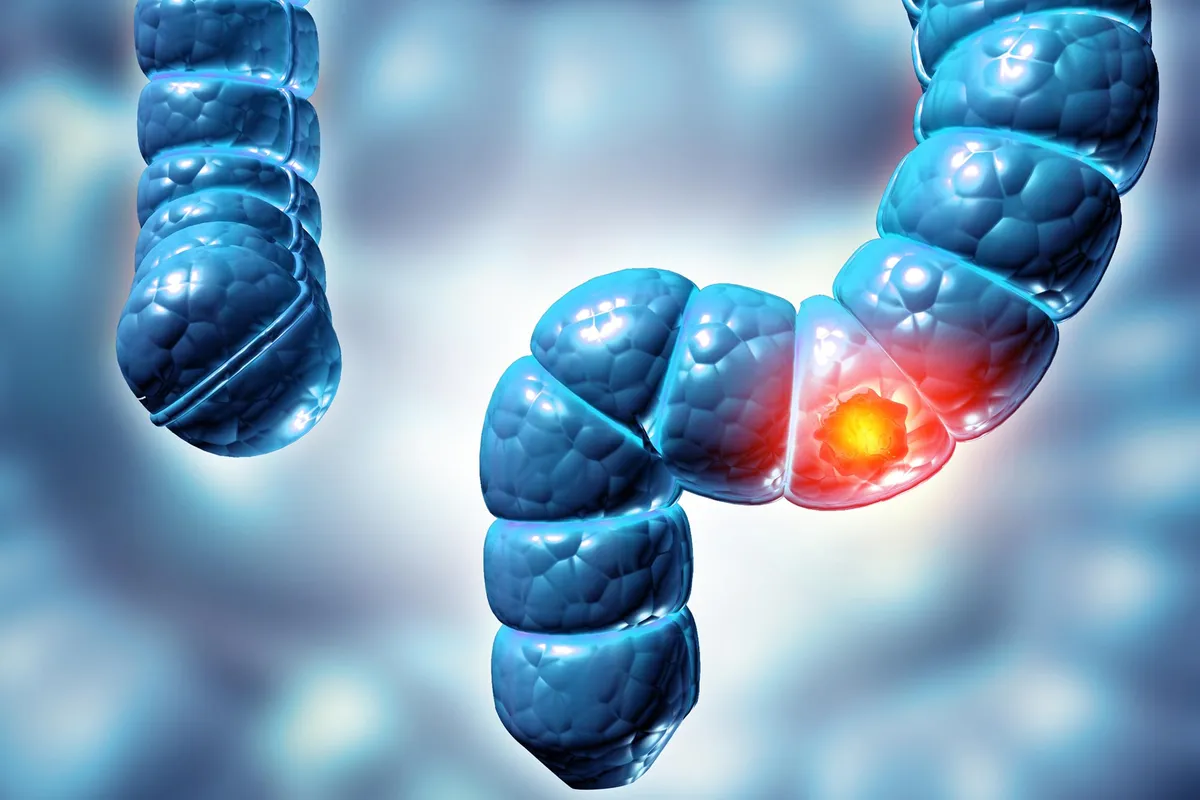
For years, scientists have been trying to figure out colorectal cancer, a truly unwelcome guest in Western countries. We know diet and lifestyle play a starring role, but the full biological script has remained frustratingly vague. Now, researchers have found a new twist: it might not just be about the gut bacteria, but the tiny, hidden viruses inside them.
Imagine looking for a suspect, only to realize the suspect has a even more suspicious friend hiding in their coat pocket. That's essentially what a team from the University of Southern Denmark and Odense University Hospital just uncovered.
The Bacterium, the Paradox, and the Passenger
There's this common gut bacterium, Bacteroides fragilis, that’s been linked to colorectal cancer. The problem? It's also chilling out in plenty of healthy people's guts. This made it a bit of a biological paradox, as medical doctor and PhD Flemming Damgaard put it: "We often find the same bacterium with colorectal cancer, even though it's normal in healthy guts."
We're a new kind of news feed.
Regular news is designed to drain you. We're a non-profit built to restore you. Every story we publish is scored for impact, progress, and hope.
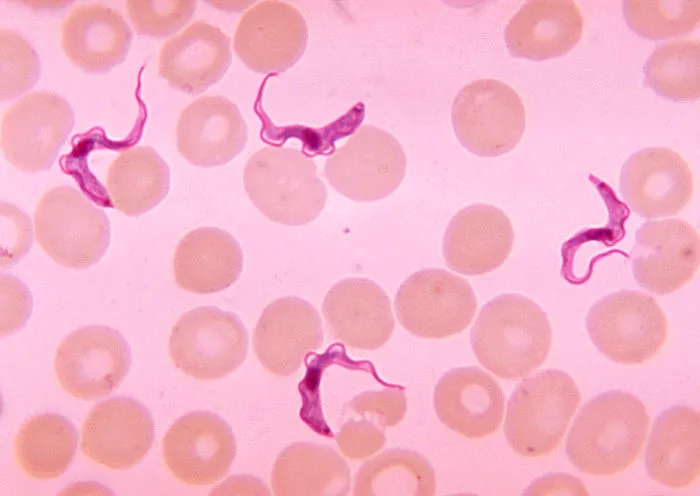
Start Your News DetoxSo, the team decided to look closer, not at the bacterium itself, but within it. And that's where the plot thickened. In patients who later developed colorectal cancer, this bacterium was far more likely to be carrying a specific bacteriophage – a virus that lives inside bacterial cells. Think of it as a Trojan horse, but instead of soldiers, it's carrying... well, we're not entirely sure yet.
Damgaard notes they've found a new, previously unknown group of viruses seemingly tied to these cancer-associated bacteria. The big question, of course, is whether this viral passenger is causing trouble, or just hitching a ride in a changing environment. They’re still figuring that out, but the statistical link is hard to ignore.
From Denmark to the World
The initial clue came from a massive Danish study involving two million people. Researchers noticed a pattern in patients with bloodstream infections from Bacteroides fragilis: those who later got colorectal cancer had bacteria more often infected with these specific viruses. It was a strong enough signal to warrant a global investigation.
They then tested stool samples from 877 people across Europe, the U.S., and Asia. The result? People with colorectal cancer were roughly twice as likely to have traces of these mysterious viruses in their gut. It's a consistent finding, making the connection even more intriguing, even if it's not yet a smoking gun.
Colorectal cancer's risk factors are up to 80% environmental, and the gut microbiome is a huge part of that. But with thousands of bacterial species and even more genetic diversity, finding the culprit is like searching for a very specific needle in a very large, very squishy haystack. By focusing on the viruses within the bacteria, the researchers found a much smaller, more defined haystack.
A Potential New Screening Tool
Currently, colorectal cancer screening often involves looking for hidden blood in stool. But what if we could look for these viruses instead? Early tests suggest these viral markers could identify about 40% of cancer cases, while largely being absent in healthy individuals. It's early days, of course, but the potential for a new, more precise screening method is definitely on the table.
So, while we wait to see if this virus is an instigator or just an opportunist, the research continues. The team is busy growing these virus-carrying bacteria in artificial guts, putting tumors into mice to find the virus directly, and even testing if the virus speeds up cancer development in susceptible mice. Because apparently, even bacteria have secrets, and those secrets might just hold the key to better health.